
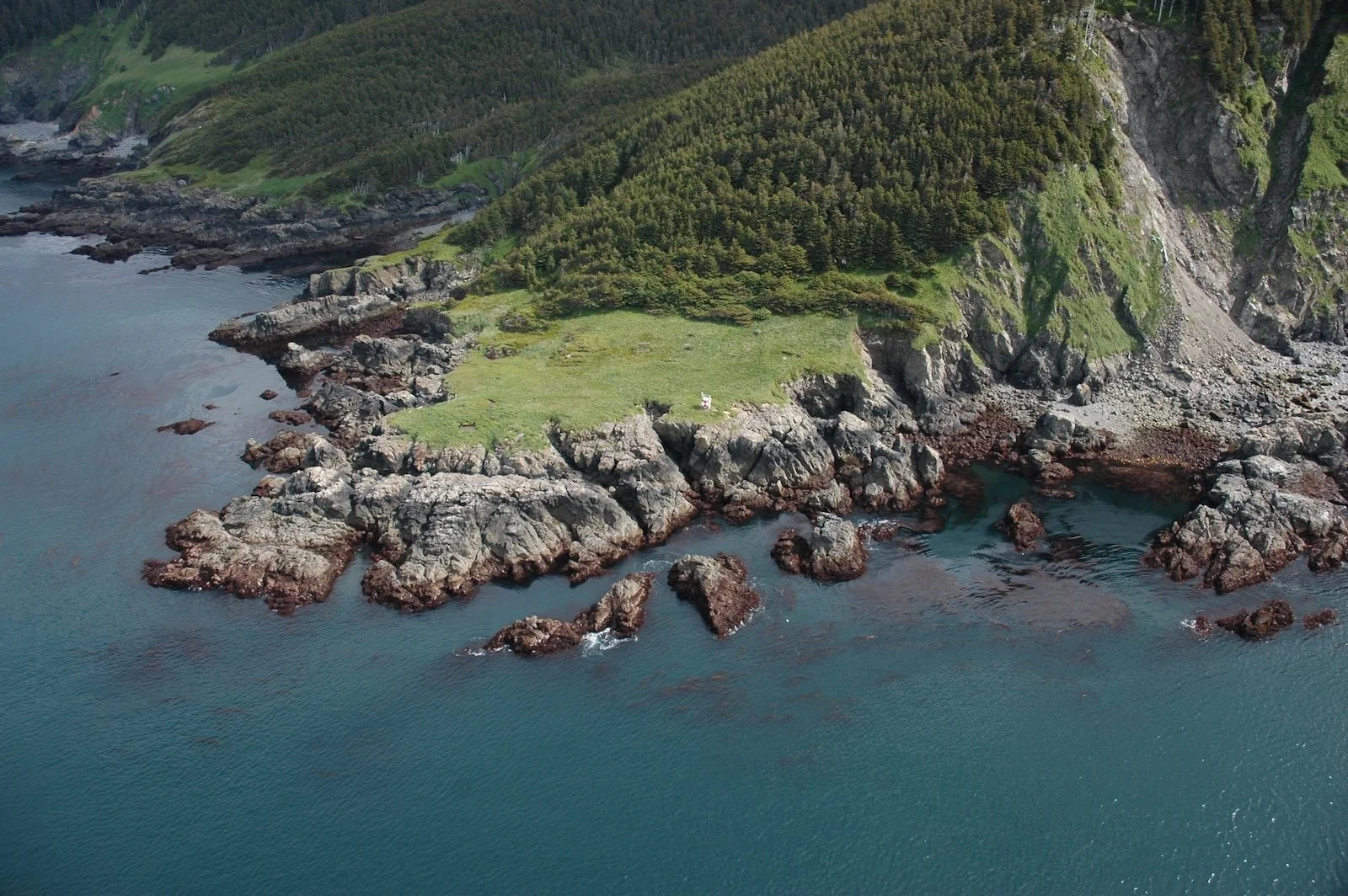
Inletkeeper: The Big Beautiful Cook Inlet (BBC1) Oil and Gas Lease Sale Was a Flop
March 4 — The Department of Interior announced that there were zero bids in today’s Big Beautiful Cook Inlet (BBC1) oil and gas lease sale. This lease sale, held by the Bureau of Ocean Energy Management (BOEM), was a product of the One Big Beautiful Bill’s six mandated lease sales in Lower Cook Inlet…
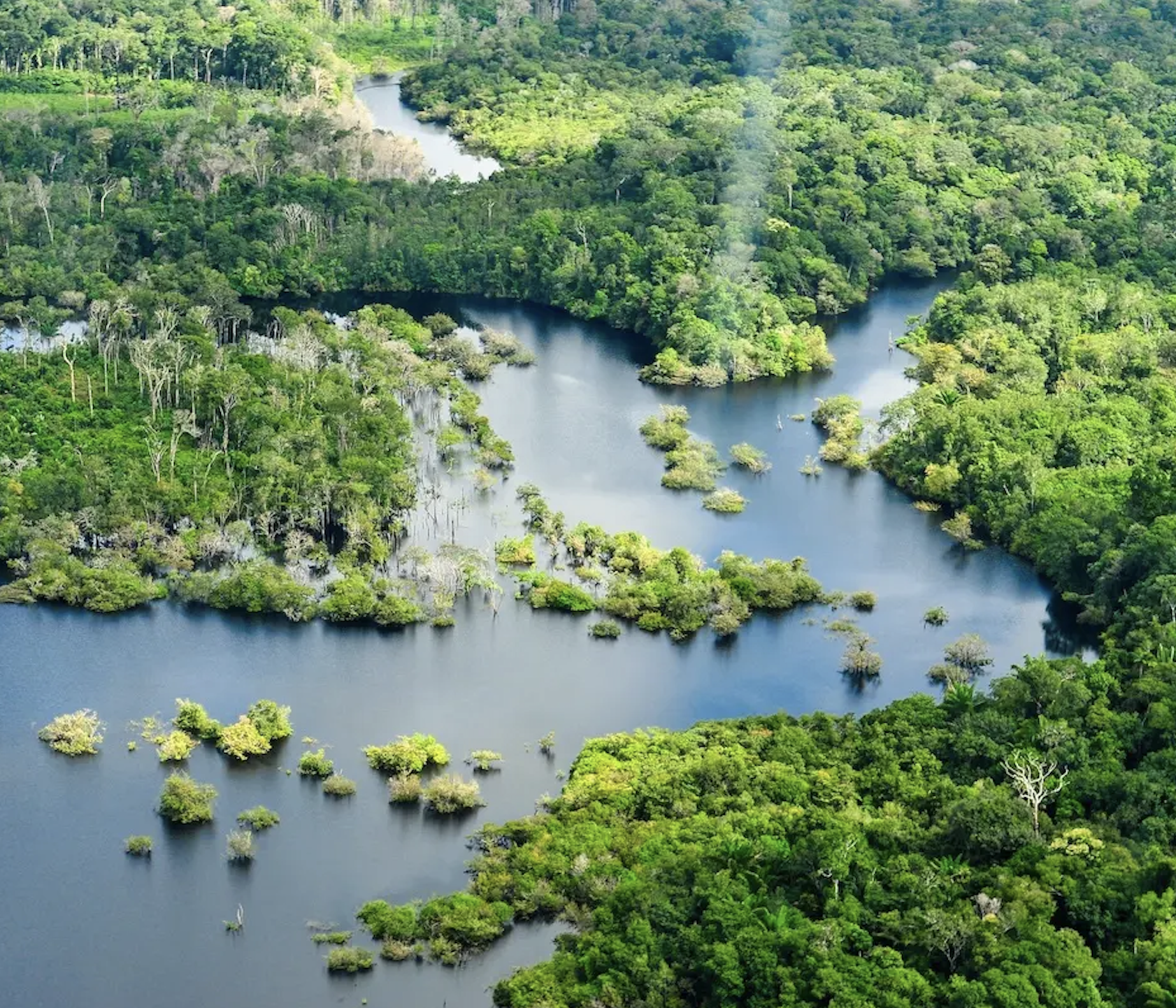
Yale Environment 360: Brazilian Amazon on Track for Record Low Deforestation
The Brazilian Amazon is on pace to see forest clearing hit a record low this year, government figures show. Officials credit the decline to stepped-up enforcement against illegal deforestation.

Lookout: Seymour Studios goes live with new community science podcast
The Seymour Marine Discovery Center’s new podcast, “Science, Solutions, Santa Cruz,” debuted March 3, marking the first production to come out of Seymour Studios, a newly built, state-of-the-art recording space located on UC Santa Cruz’s Coastal Science Campus. It was designed to make professional audio and video storytelling accessible to people across the community who lack the technical experience and equipment to produce it themselves.

Happy Eco News: International Summit Grants Historic Shark and Ray Protections
Shark and ray protections achieved an unprecedented moment in November 2025. More than 70 species received stronger safeguards at a United Nations conference - the Convention on International Trade in Endangered Species (CITES). Whale sharks and all manta and devil rays moved to Appendix I - the highest level of protection under CITES.
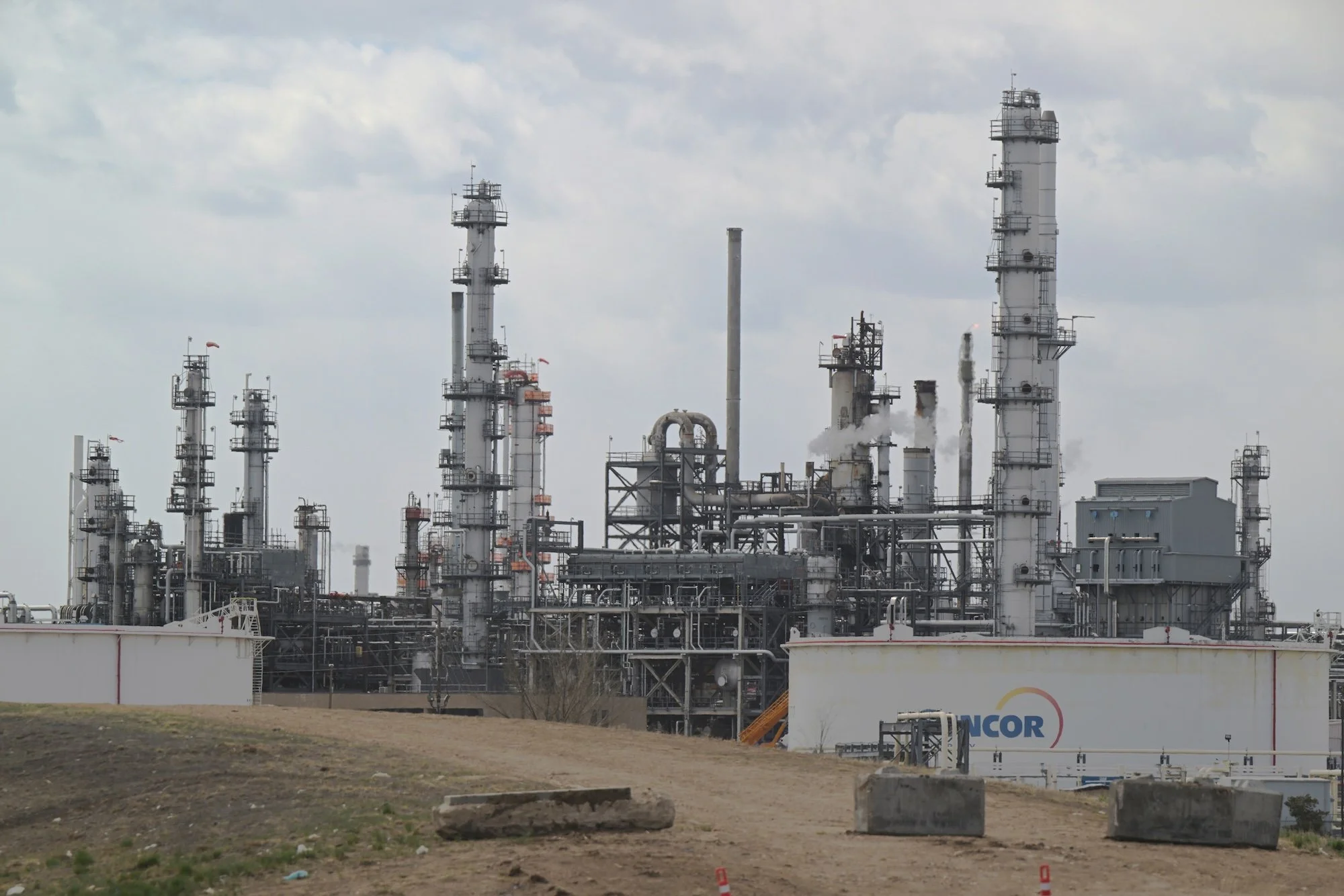
Heatmap: Trump’s Greenhouse Gas Rule Will Get a Court Test Sooner Than We Thought
The Supreme Court agreed to hear Suncor Energy Inc. v. County Commissioners of Boulder County, which concerns jurisdiction for “public nuisance” claims. This Supreme Court case will test whether the Trump administration’s war on federal climate regulation also undercuts fossil fuel companies’ primary defense against climate-related lawsuits.
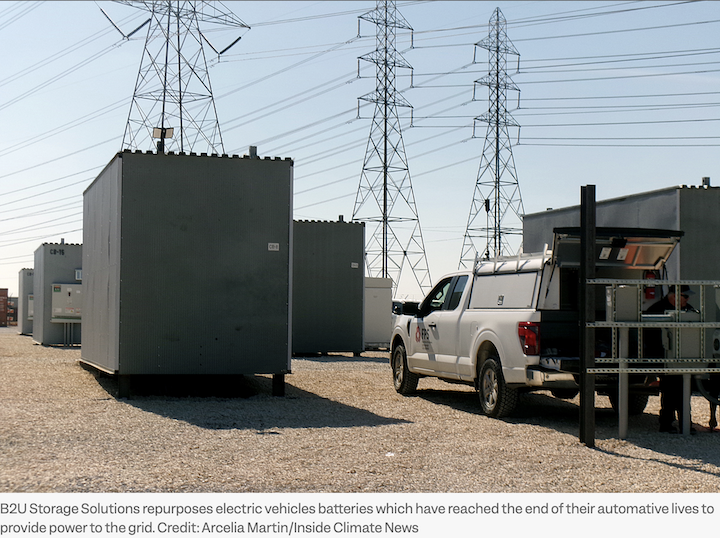
Inside Climate News: Retired EV Batteries Scored a New Gig: Bolstering Texas’ Grid
In the midday hours, prices plummet. An excess of energy produced across Texas, largely due to the state’s solar and wind fleet, signals it’s a good time to buy. It’s then that 500 batteries, which once fueled General Motors’ electric vehicles, charge up. The batteries, now in their second careers, are kept in staggered steel mesh containers…
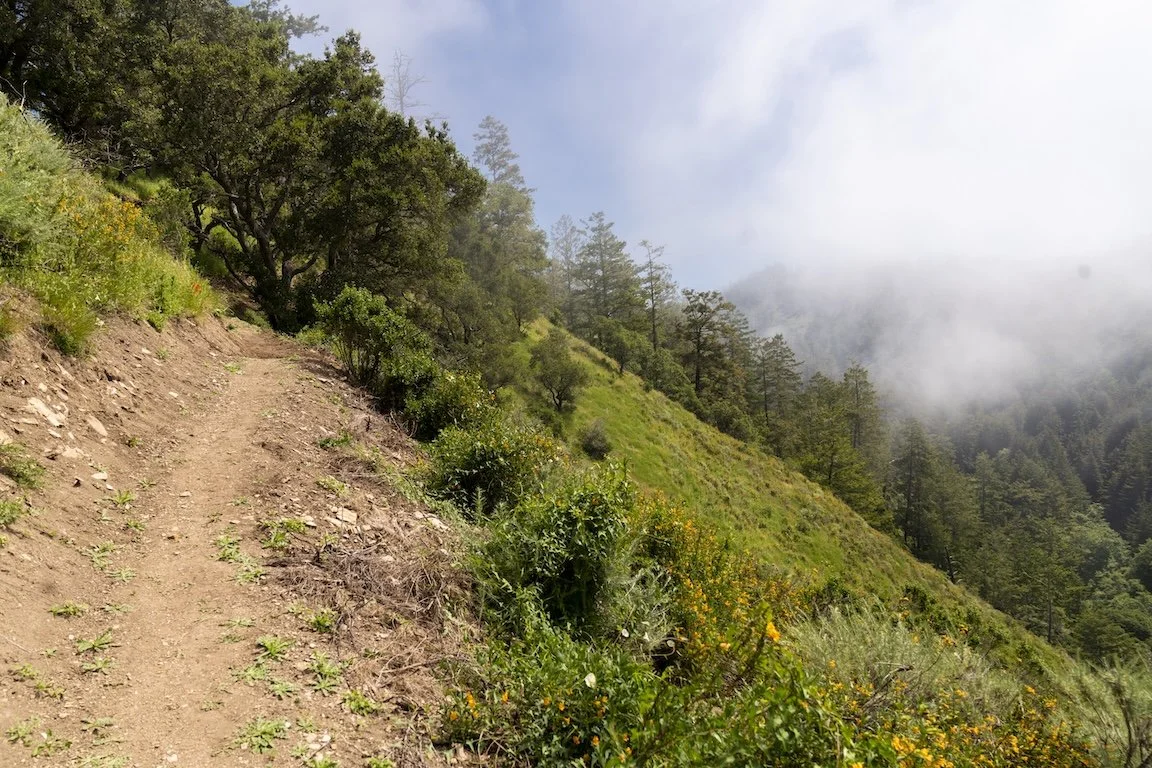
Save The Redwoods League: Redwoods Hiking at Cotoni-Coast Dairies
North of Santa Cruz, 9 miles of new trails connect redwood forests and coastal bluffs. Late winter can mean hiking paradise on the Northern California coast. The hills are a radiant emerald green, wild mustard flowers carpet coastal bluffs in electric yellow…
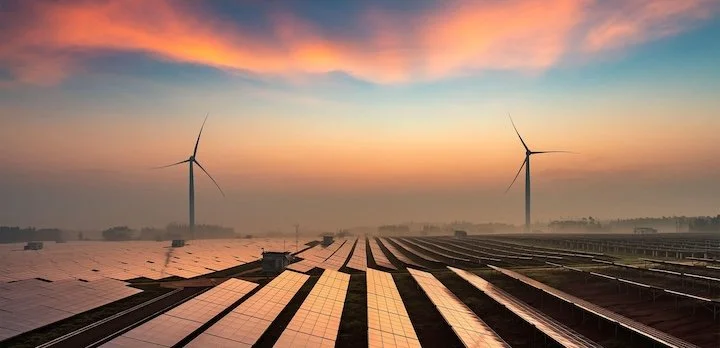
Environmental Defense Fund: Court rules Trump administration energy project cuts were illegal
In November 2025, the Department of Energy canceled $7.5 billion in grants. The cancellations terminated more than 300 financial awards covering hundreds of projects, including new wind and solar development as well as critical grid upgrades and efficiency programs expected to save money for consumers. Notably, the cancellations were in states that did not vote for President Trump…

Optimist Daily: UC Santa Barbara scientists create liquid solar battery that stores sunlight as heat
When the sun sets, solar panels sadly become unproductive. For decades, that daily pause has underscored one of renewable energy’s biggest challenges: how to store sunlight efficiently for use after dark. Researchers at UC Santa Barbara believe they have found an elegant answer.... inside a small, carefully engineered molecule…

Never Again Moss Landing: Recommends 12 Critical Fixes For Future Battery Storage
On February 3, 2026, the Monterey County Board of Supervisors received a staff presentation on the status of the Moss Landing Cleanup. The coordination committee of the Never Again Moss Landing (NAML) Stakeholder Group, of over 4,900 citizens, is provided the Board their end of year-1 recommendation of 12 fixes to prevent a future BESS fire.
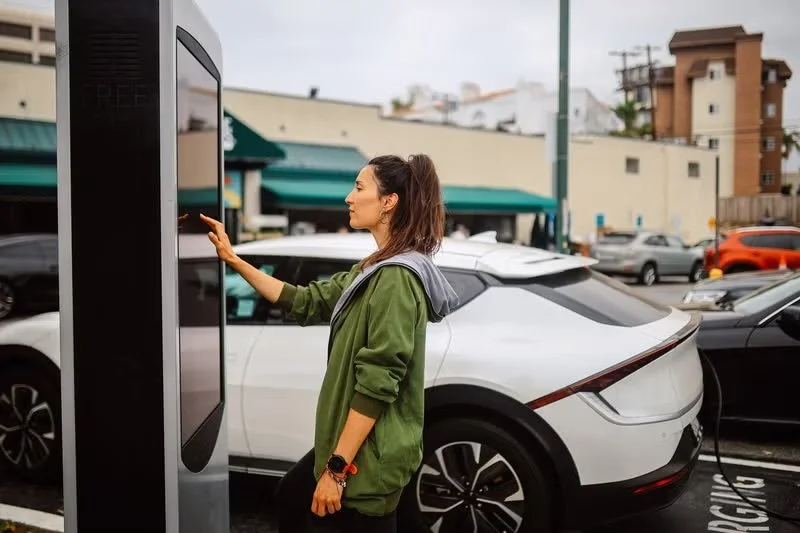
Earthjustice: $5 Billion Victory for Electric Vehicle Charging Infrastructure
Last week, 17 states and a coalition of environmental groups won a lawsuit in federal court to restore $5 billion in funding for the National Electric Vehicle Infrastructure (NEVI) Formula Program. The Trump administration unlawfully froze funds that Congress had…

Environmental Working Group: FDA reports over 50 PFAS ingredients intentionally added to 1,700 personal care products
Companies aren’t required to test cosmetics ingredients, including PFAS, for safety before using them in products. For over 20 years, EWG has advised consumers to avoid personal care products with PFAS. More recently, several states, including California, have taken steps to prevent the use of PFAS in cosmetics….

Monterey County Now: Researchers are banding together to turn fire-prone eucalyptus into biochar for use by local growers.
Eucalyptus are notorious trees familiar to most Californians. They are visually striking and aromatic, invasive and fast growing. They’re known to be oily and incredibly messy – as a result, highly flammable – thereby placing them in the crosshairs of wildfire mitigation groups, city planners and residents alike. Counties across the state have deployed all sorts of eucalyptus grove removal projects.
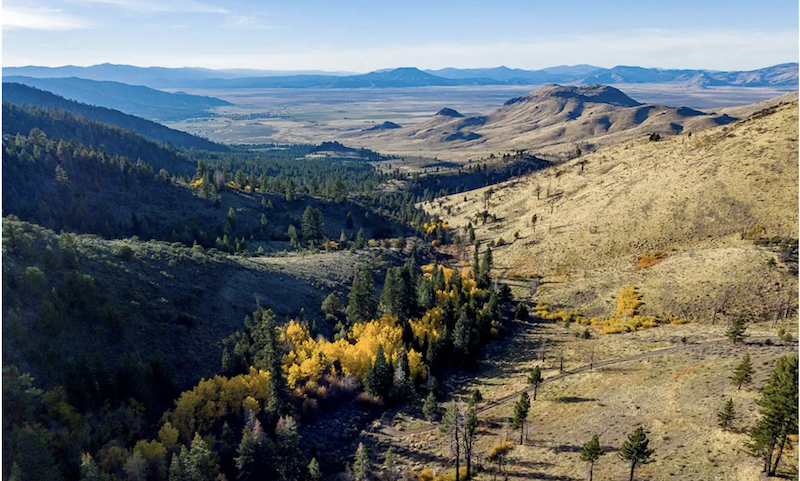
Mercury News: Tribe buys 10,000 acres north of Lake Tahoe from city of Santa Clara in historic land deal
In the 1850s, settlers from around the world poured into California to seek their fortunes during the Gold Rush. The Washoe people, who had lived around Lake Tahoe for thousands of years, were pushed out. Farming, logging and mining took over their traditional territory in the Sierra Nevada, leading at times to violent conflicts. Now, 175 years later, the tribe is getting some of its land back.
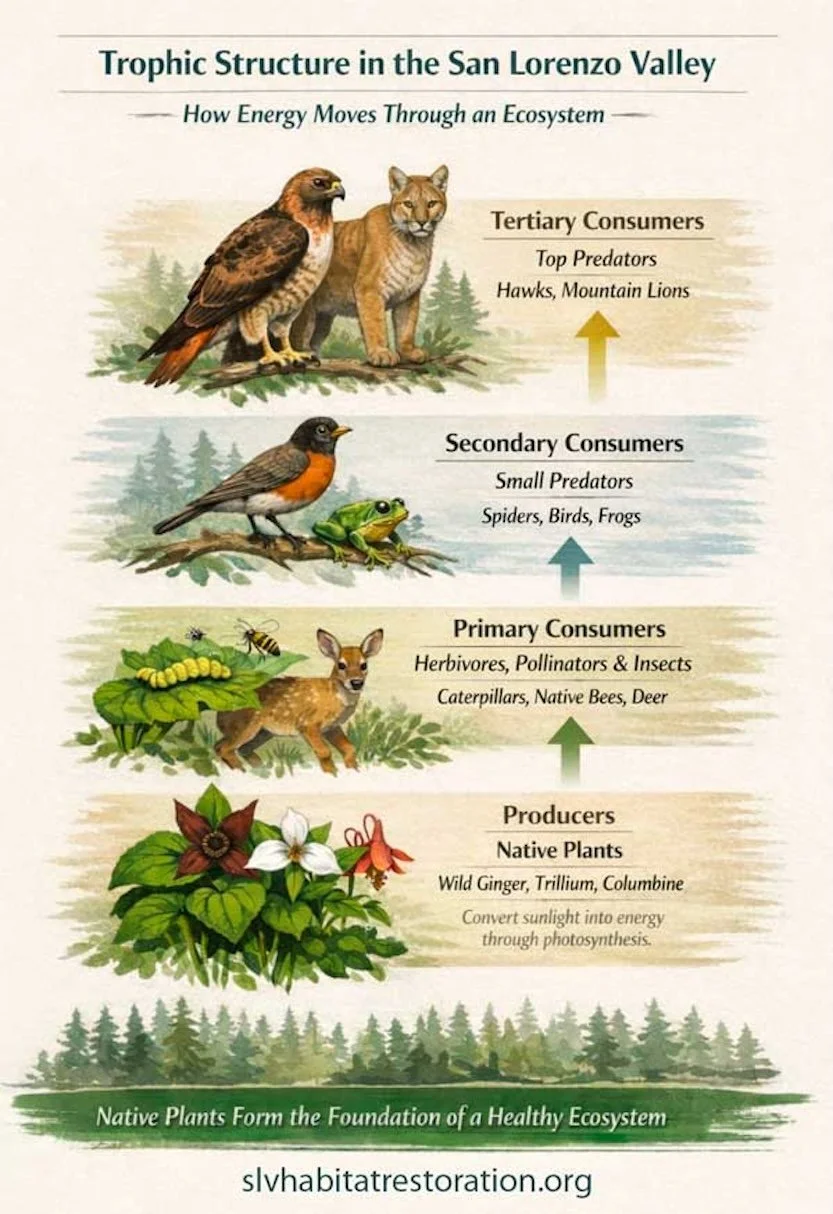
SLV Native Habitat Restoration: Understanding Trophic Structures
Trophic structure describes how energy moves through living systems — starting with plants, then insects, then birds, and larger wildlife. It explains “who eats whom” and highlights how native plants form the foundation of healthy ecosystems. In the San Lorenzo Valley, these levels include: producers – native plants like Wild Ginger, Trillium……

Canary Media: In U-turn, Trump approves low-income energy-assistance funds
Last May, the Trump administration proposed eliminating a key federal program that lowers energy bills for low-income households. Now, amid a mounting energy-affordability crisis, that program has officially survived — and even gotten a funding boost. On Feb 3, President Donald Trump signed a spending bill with more than $4 billion for the Low Income Home Energy Assistance Program.

Inside Climate News: MethaneSAT Releases First Global Assessment of Methane Climate Pollution
MethaneSAT, the world’s most advanced methane-detecting satellite and first spacecraft owned by an environmental nonprofit, promised to usher in a new era of climate accountability when the device entered Earth’s orbit in 2024. One year later, researchers with the Environmental Defense Fund (EDF) lost contact with the $88 million satellite, but not before downloading a trove of data collected over the prior year.
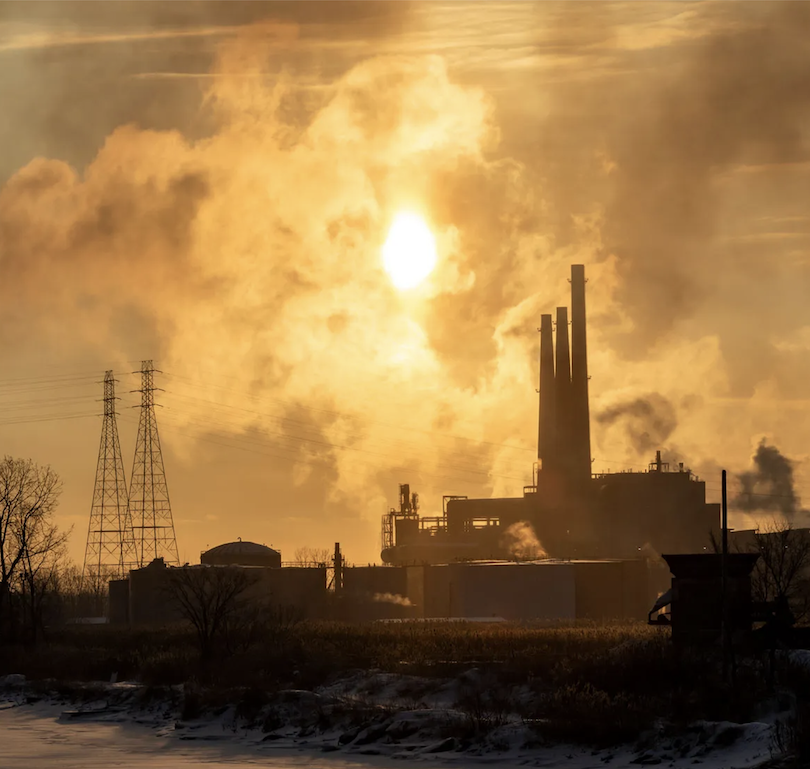
Inside Climate News: Under Trump, EPA’s Enforcement of Environmental Laws Collapses, Report Finds
Analysis of federal data by a nonprofit watchdog group found that the U.S. Environmental Protection Agency has drastically pulled back on holding polluters accountable. The nonprofit Environmental Integrity Project (EIP) found that civil lawsuits filed by the U.S. Department of Justice in cases referred by the Environmental Protection Agency dropped to just 16 in the first 12 months
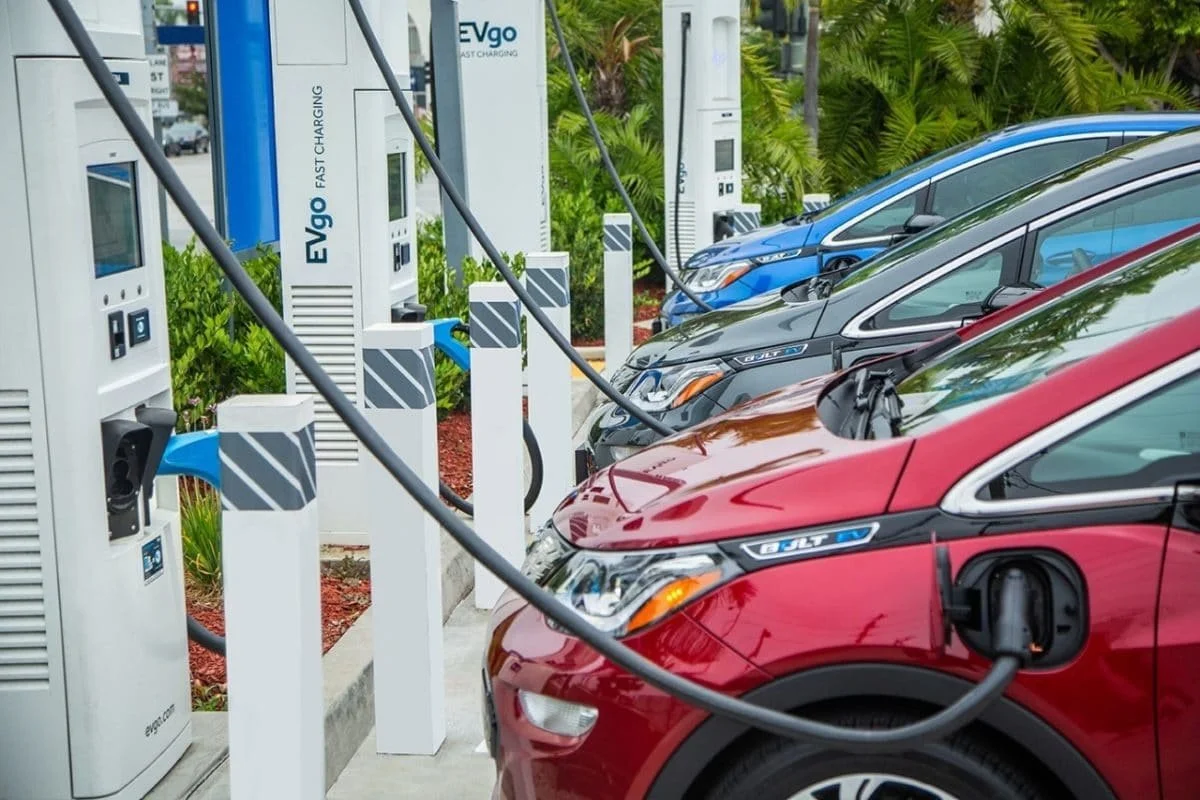
Canary Media: EV charging keeps expanding despite Trump
Last year brought a torrent of bad news for the U.S. electric vehicle industry. Despite the upheaval, U.S. public charging networks had a growth spurt last year, according to a report released today by data analytics firm Paren. And the new chargers are working more reliably and being used more heavily than ever
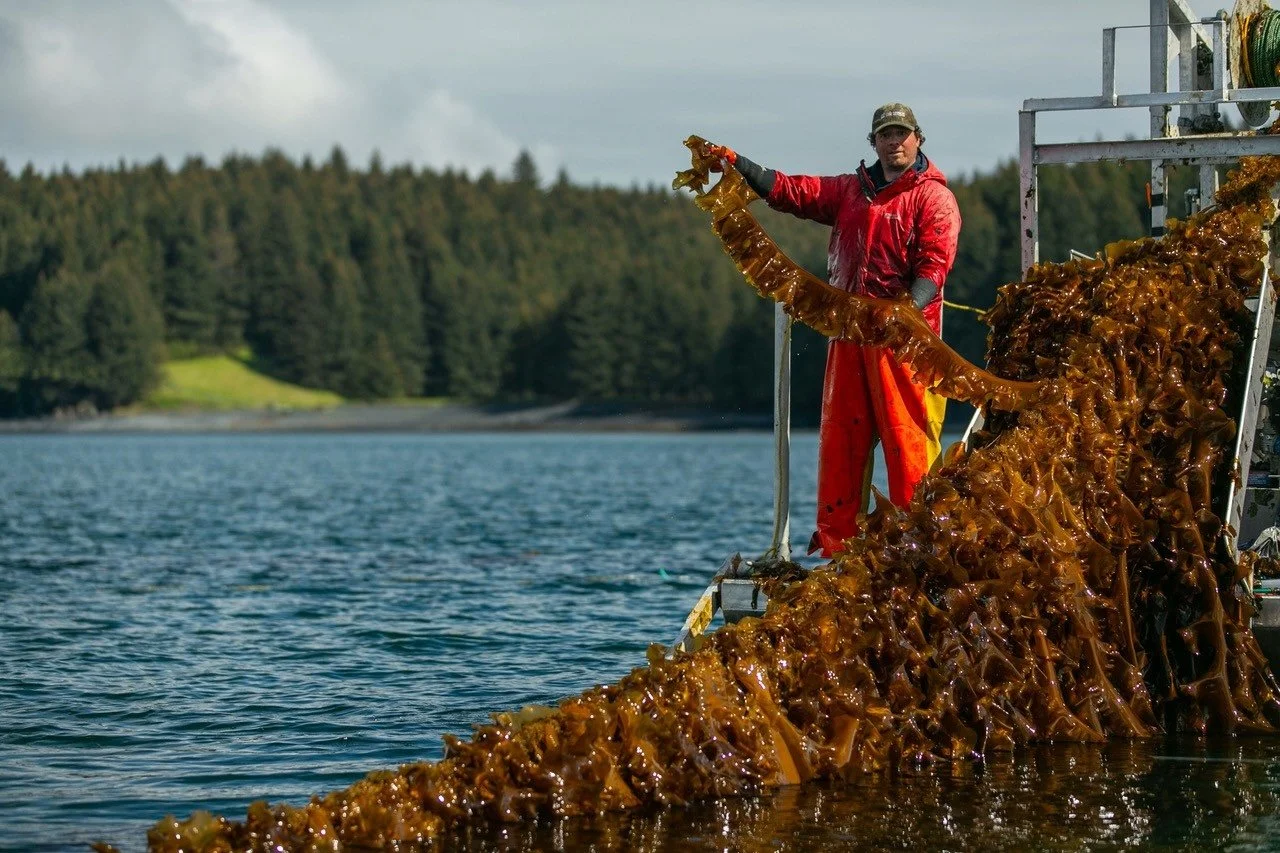
Anthropocene Magazine: How seaweed farms could change the arithmetic of ocean carbon capture - for the better.
Seaweed farms cover 3.5 million hectares of ocean and are busy locking away vast amounts more carbon than we realise, say researchers. In a new study they argue that in estimates of their blue carbon potential, we’ve been overlooking the unique way that seaweeds interact with seawater, which makes it absorb more CO2.