

Eco Actions
Search here for:
Local in-person volunteer opportunities, including cleanups and habitat restoration.
Reach out to decision makers online about dozens of local, state, and national environmental issues.
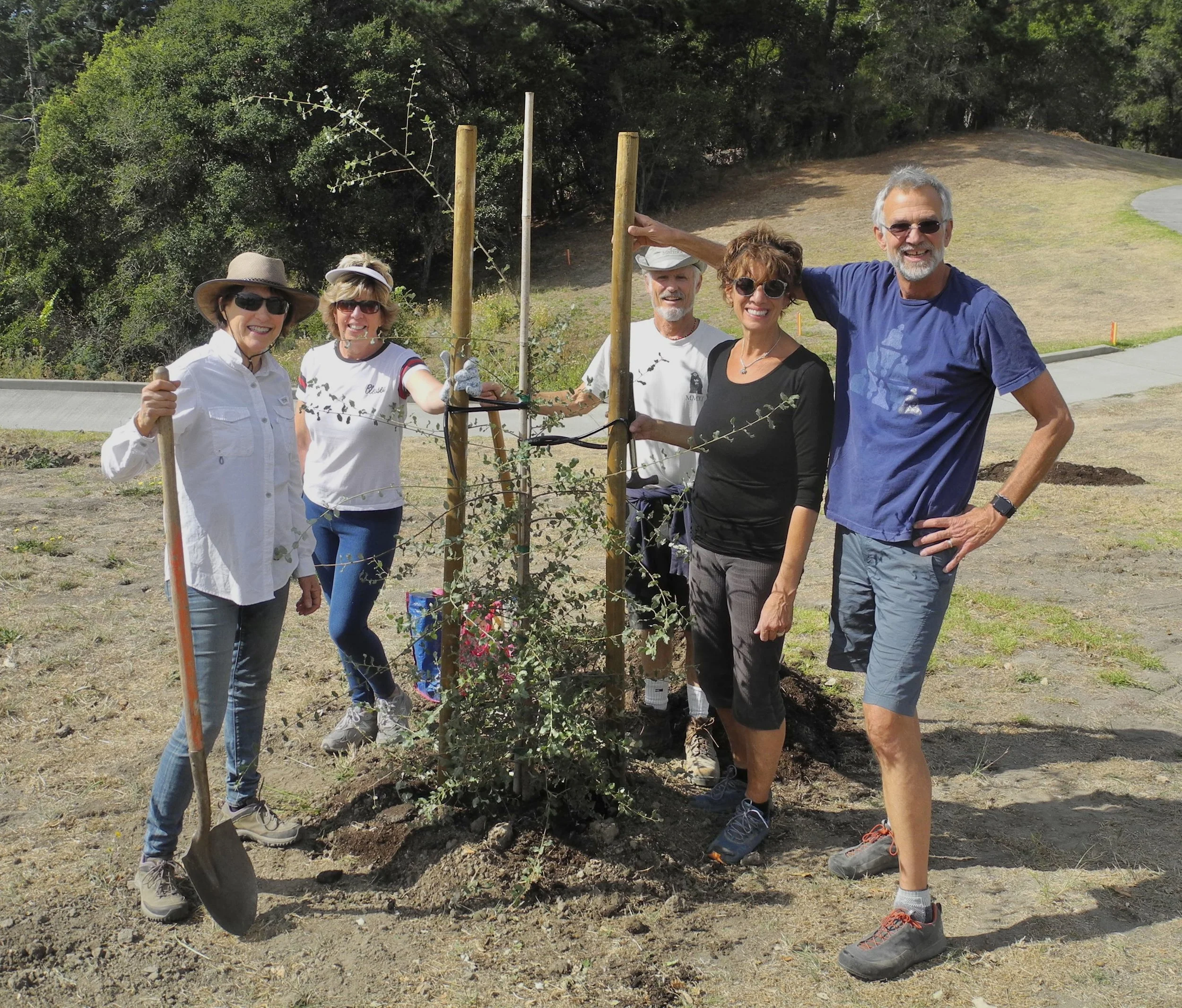
In-Person Local Action Opportunities
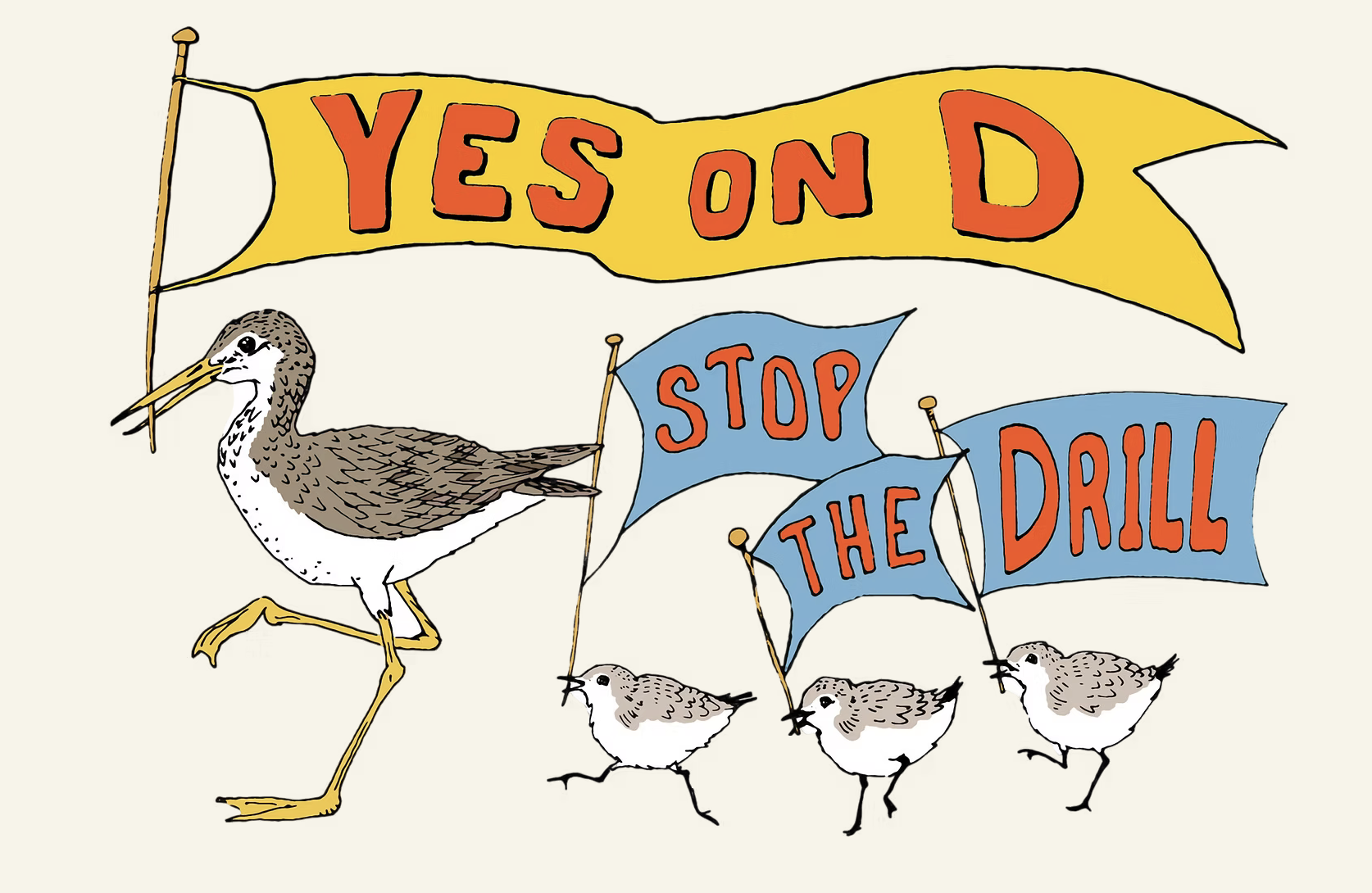
In 1986, Santa Cruz County voters passed Measure A, which gives voters the final say on whether onshore facilities for offshore oil and gas would be permitted in Santa Cruz County. A Yes on Measure D would update this ordinance to add seabed mining, giving voters the final say on whether offshore oil and gas or deep seabed mining-related activities would be permitted in Santa Cruz County. With the Federal government aggressively attacking coastal protections at the state and federal level, the passage of Measure D is a powerful way to ensure local residents continue to have our say in how our onshore resources are protected and managed. Though the immediate threats of resource extraction are beyond local jurisdiction, Measure D’s onshore protections in Santa Cruz County makes any leases off our coast prohibitively expensive and inconvenient for interested companies to justify extraction project. More INFO. How to get involved HERE.

Stationary regulatory monitors often miss the local air quality issues that worsen lung conditions and our ability to breathe. In collaboration with Breathe California, this study aims to identify the factors that contribute to the air quality within and around households of Watsonville, CA. We are recruiting residents who are interested in receiving a free indoor air quality assessment. Upon form completion, we will contact you to schedule an appointment for an approximate 1-hour assessment. To find out more, please contact Gavin Li at gavin@lungsrus.org.
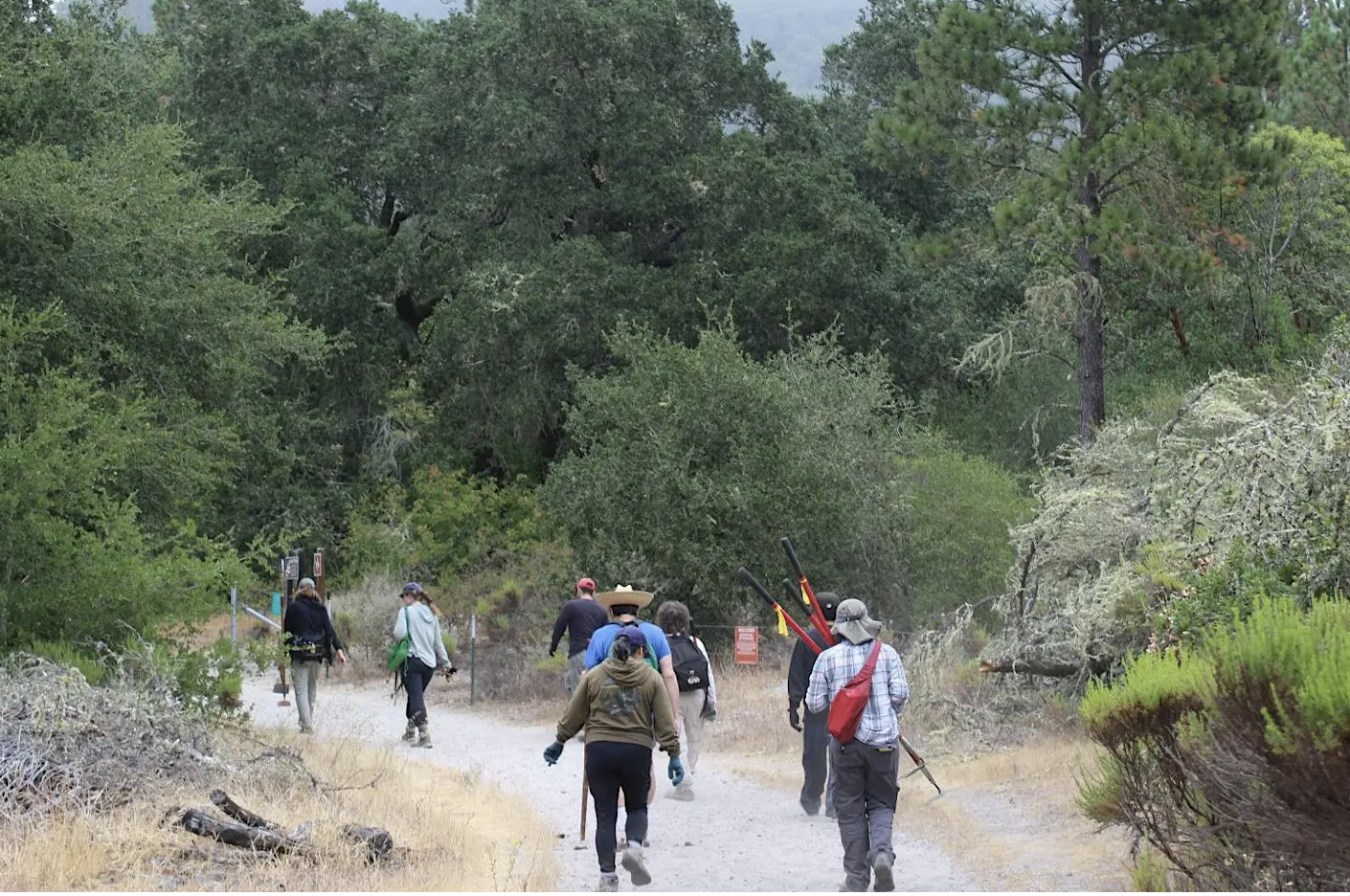
Help remove invasive French broom at the San Lorenzo Valley Water District's Olympia Watershed property. This volunteer opportunity helps restore Santa Cruz Sandhills habitat! Volunteers should expect to walk over uneven terrain and spend extended time bending/crouching. Activities include pulling weeds by hand, using gardening tools, and carrying tarps filled with weeds. Registration is required. Please go HERE to register and learn more. Check out the District's Volunteer Opportunities WEBPAGE for updates on subsequent volunteer dates. Meet near entrance gate at the end of the Zayante Fire Dept parking lot.
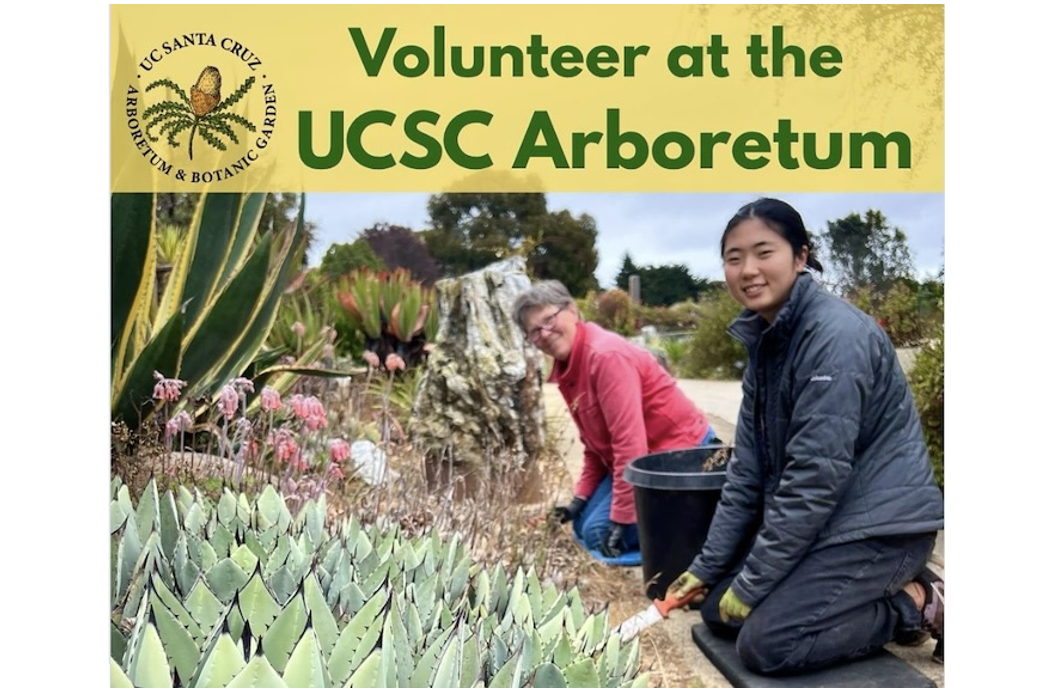
Do you love gardens and gardening? The UCSC Arboretum & Botanic Garden has a wonderful community of staff, students, and volunteers ready to welcome you. Opportunities include staffing our gift shop and retail nursery and working to care for our gardens and greenhouses. To learn more, join us at one of our monthly information sessions. Meet us at Norrie’s Gift & Garden Shop at 10am for an easy walk through the gardens to visit a few of our volunteer groups at work. More HERE.
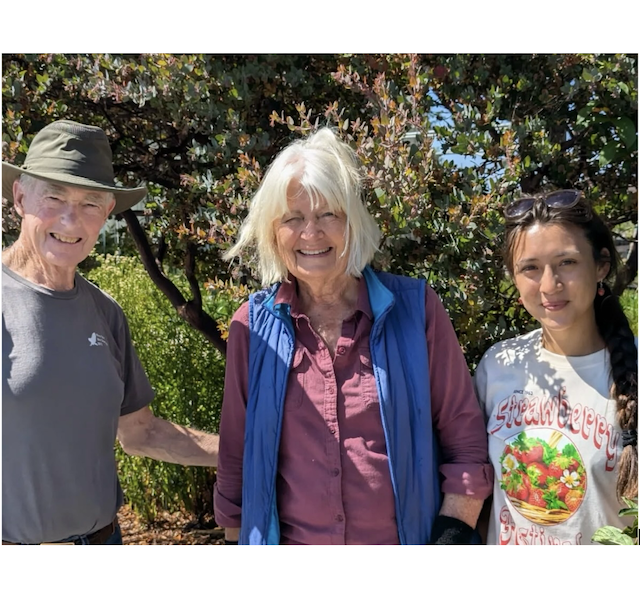
Maintain the Native Plant Demonstration Garden at the Wetlands Educational Resource Center which includes weeding, planting, pruning. Observe plants in their habitat and record findings as a group. Keep plant ID markers current and visible. Tools and Gloves provided. Bring kneeling pad if desired. Info HERE
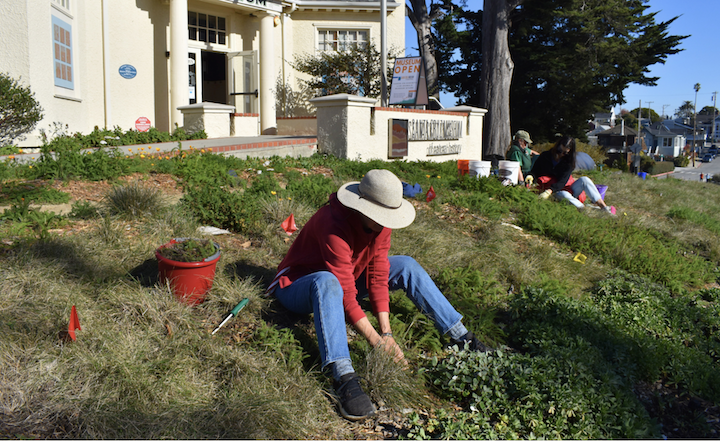
“It’s time to get your hands dirty at our 3rd Saturday of the month volunteer program in our native plant garden. Learn about local ecology, native plants, and sustainable gardening while coming together as a community to steward Tyrrell Park through the City’s Adopt-A-Park program. This native plant garden requires general landscaping, occasional watering, weeding, and replanting. All ages are welcome; children under 14 require adult supervision. Every third Saturday at the SC Museum of Natural History.” RSVPs are required. Email volunteer@santacruzmuseum.org to express interest. More info HERE.
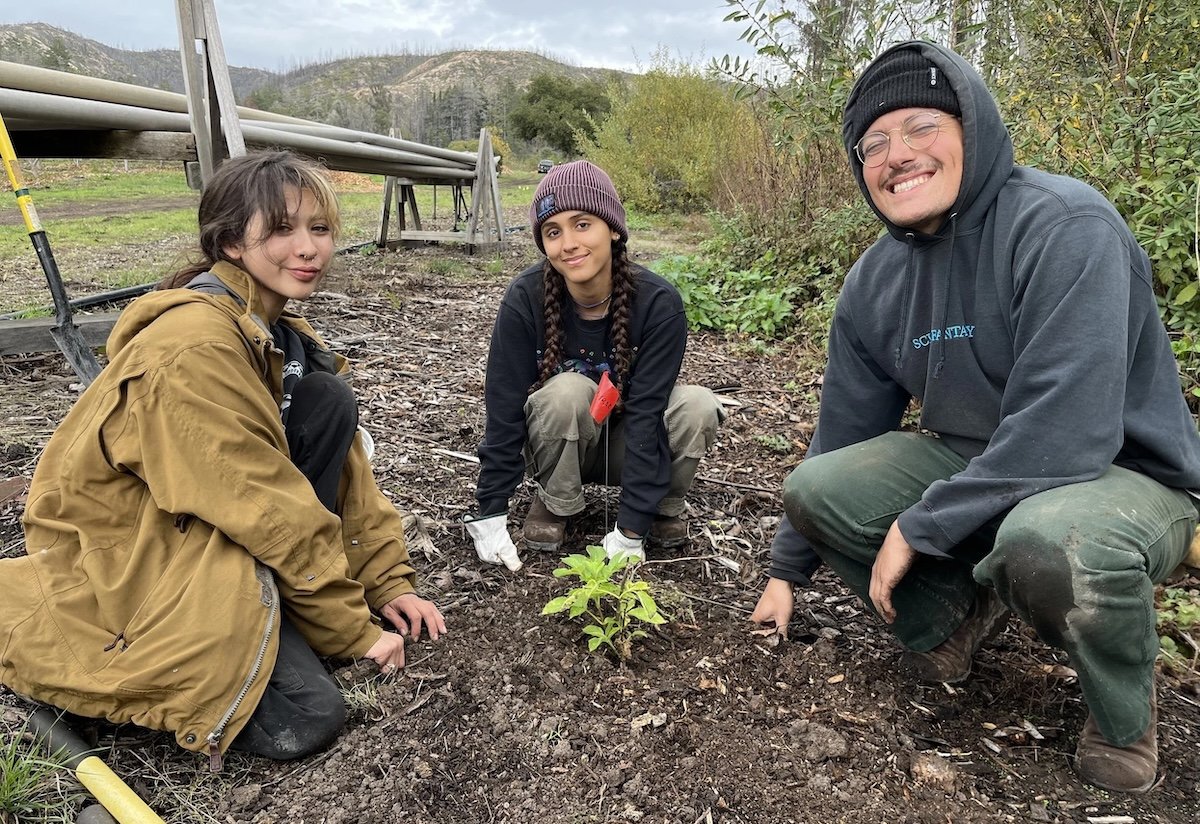
Volunteers have been an essential part of our repair and regeneration efforts after the CZU August Lightning Complex fire burned through Pie Ranch. Designed by tribal member, Matthew Lopez, the Native Garden is shaped like a pie with pathways representing the four directions. Each “pie slice” represents different ethnobotanical native plants featuring grassland foods, fibers and basketry plants, nuts and berries, and personal care. Some of us will stay in the garden for the whole work shift and some will venture to other projects around the farm. Volunteers help with planting, weeding, harvests, culling and mulching. Volunteer work days are on the third Saturday of each month. Pie Ranch, 2080 Green Oaks Way, Pescadero.” To RSVP go HERE or email: aarganbright@amahmutsun.org
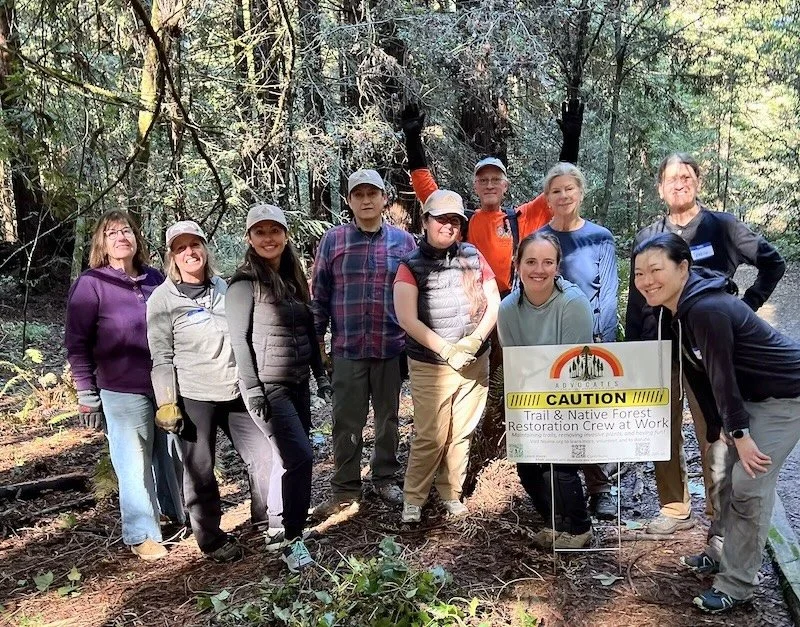
In the spirit of Earth Day we will continue our Native Forest Restoration with continued removal of invasive species. Also, Bridge crews will reinstall the 2 seasonal bridges across Aptos Creek. Come play in the creek! Installing these bridges is a fascinating project! Or Split Redwood rails for future split rail fence construction. No experience necessary. Coffee, pastries, snacks, fruit and tools provided. Meet at Community Foundation Santa Cruz County parking lot, 3206 Aptos Rancho Drive, Aptos Sign up HERE.
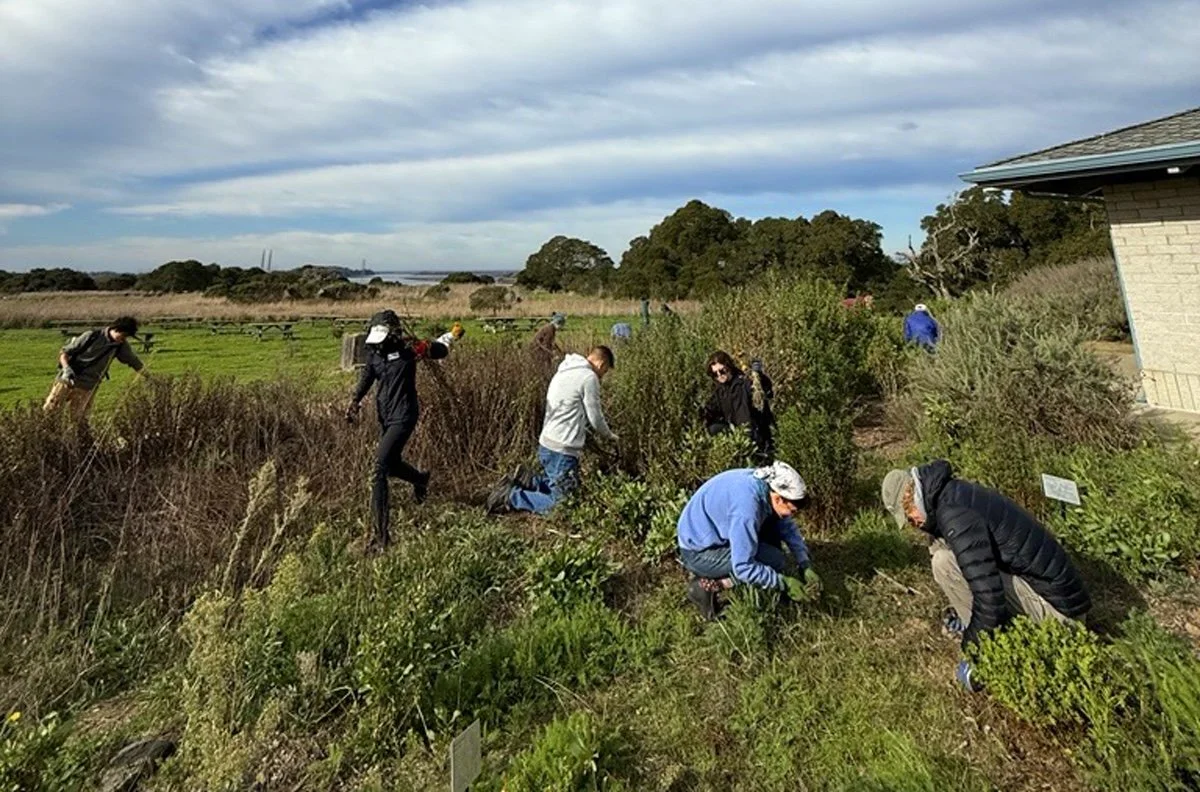
Our Volunteer Land Stewards program meets to work on Reserve stewardship projects most Wednesday mornings. (We appreciate participation an average of once a month) These projects include all sorts of habitat restoration activities, such as removing invasive weeds, collecting seeds, and planting native species. Please complete this FORM register for the Volunteer Land Stewards Orientation and Onboarding session on Wednesday.
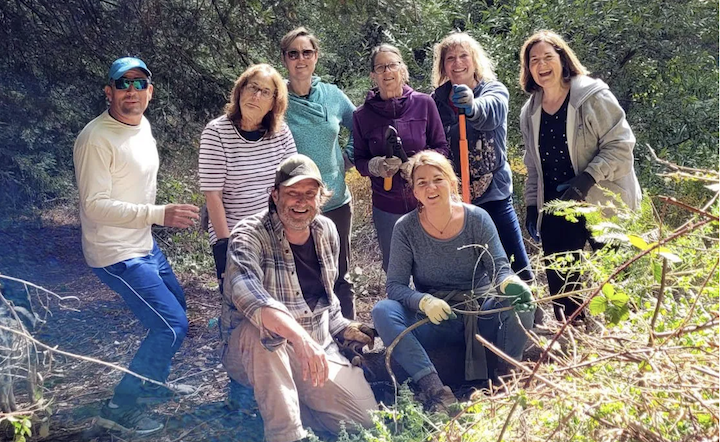
Join our collective endeavor to restore Lompico Pond, enhancing the native habitat for diverse flora, fauna, and insects. Let's establish a captivating wildlife sanctuary, providing the community with a cherished space to revel in nature's wonders. Our work includes removing storm debris, reducing fuels, and removing invasive plants. 4th Saturday of every month through October. Tools and supplies provided! No need to bring your own equipment. Gloves are essential. Bring your pair or use our extras. Please walk to the pond if possible; parking is limited. More info HERE.
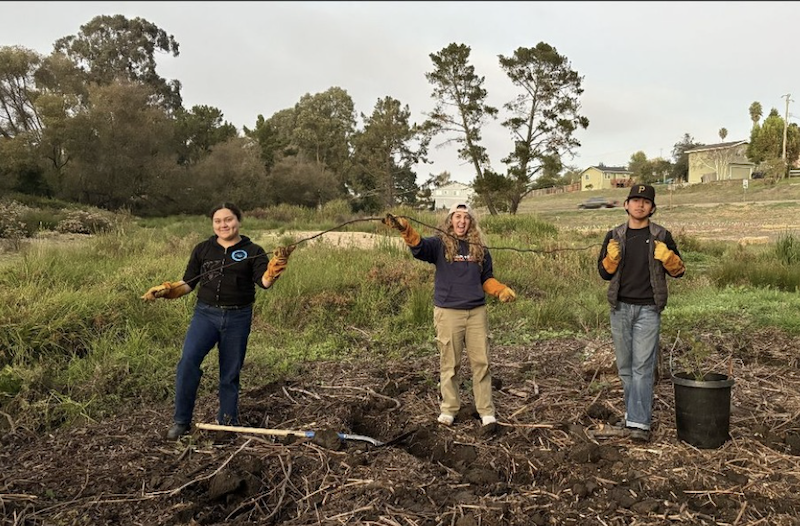
Join us for a fun-filled day of community and nature at our 4th Saturday Restoration Event at Hope Park, 76 Hope Dr. Help restore the habitat along the Pajaro River by removing invasive plants, learn about the amazing birds and wildlife that call these habitats home, and enjoy an educational wetland talk for all ages. With snacks and all materials provided, it’s the perfect family-friendly way to give back to the environment while having fun outdoors. Any questions? Please email outreach@watsonvillewetlandswatch.org. More INFO.
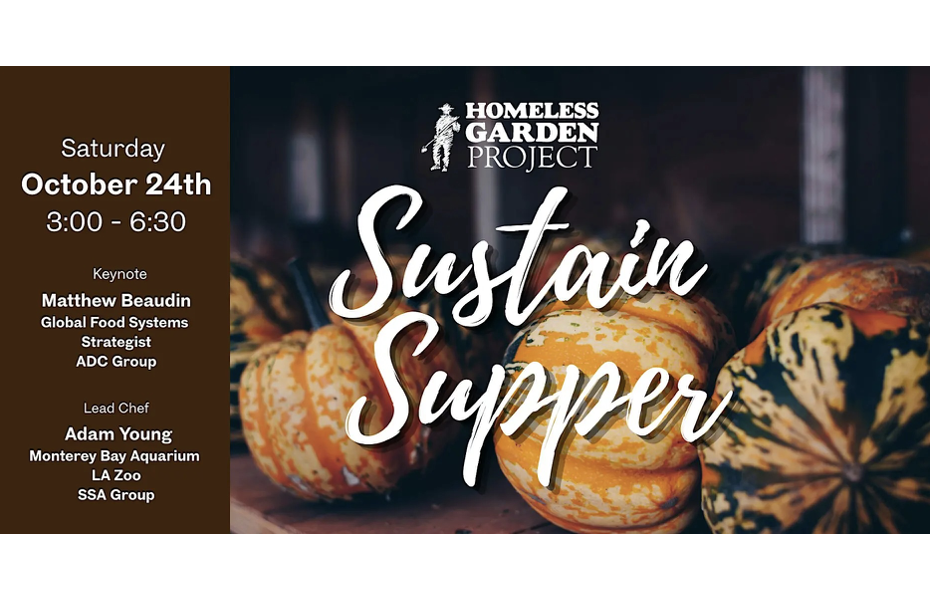
The Sustain Supper would not be possible without the help of our amazing community members who give of their time. We’re looking for about 100 volunteers to help bring Sustain Supper to life! With a variety of roles available, you can choose how you’d like to contribute—whether before, during, or after the event. It truly is a wonderful evening, and we want volunteering to be just as fun and meaningful as the Supper itself. Lunch will be provided for volunteers, and everyone is invited to stay and enjoy the keynote speaker and hear from one of our trainees. Info and signup HERE.

This gathering will be focused entirely on Mending. Whether you’re already a seasoned mender, have something you’ve been meaning to repair, or just want to learn alongside others, you’re invited. Kids are welcome to participate too! We’re especially hoping to bring together more of the menders, fixers, and skilled hands in our community. If you joined us in September, we’d love to see you again and keep building this repair community together. Felton Branch Library. More info and signup HERE
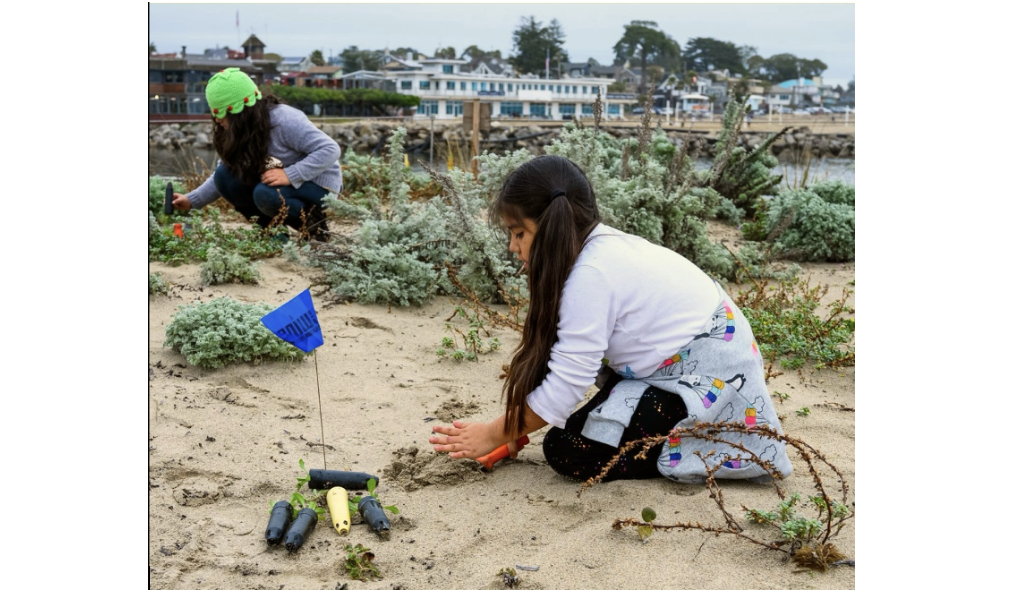
Come join your local community in coastal restoration at Seabright Beach. Help make our coast a better place and learn about coastal ecology. Together we are making an impact and have now restored over 1/2 mile of coastal dune, strand and bluff habitat. Click HERE for project background. Go HERE to sign up.
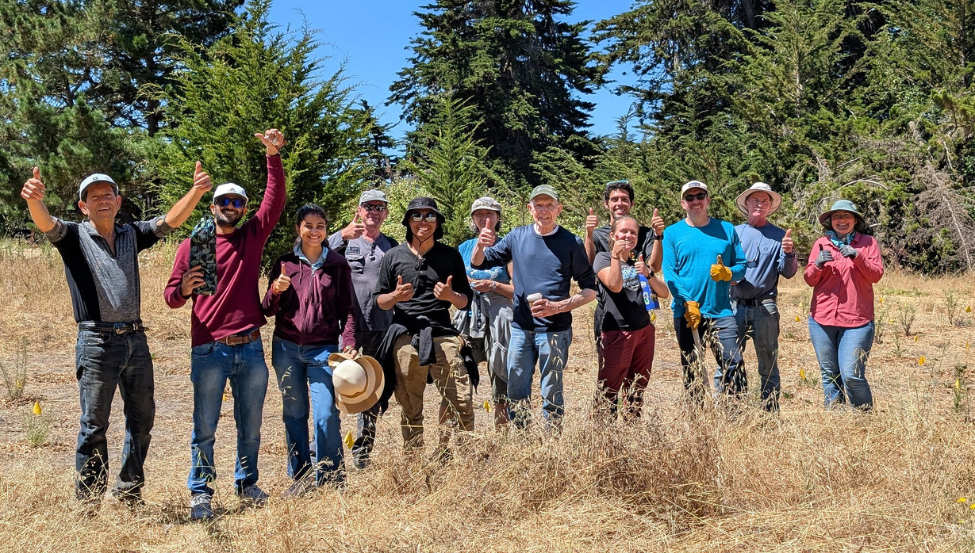
Support habitat restoration of popular day use areas and trails by planting native species and removing non-native vegetation. Target non-native species are Himalayan blackberry (Rubus armeniacus) and Ice plant (Carpobrotus edulis). Ages 8 and older welcome (minors must be accompanied by an adult and bring a signed waiver). Full opportunity address and directions will be sent to you by e-mail after you sign up. Info and signup HERE.
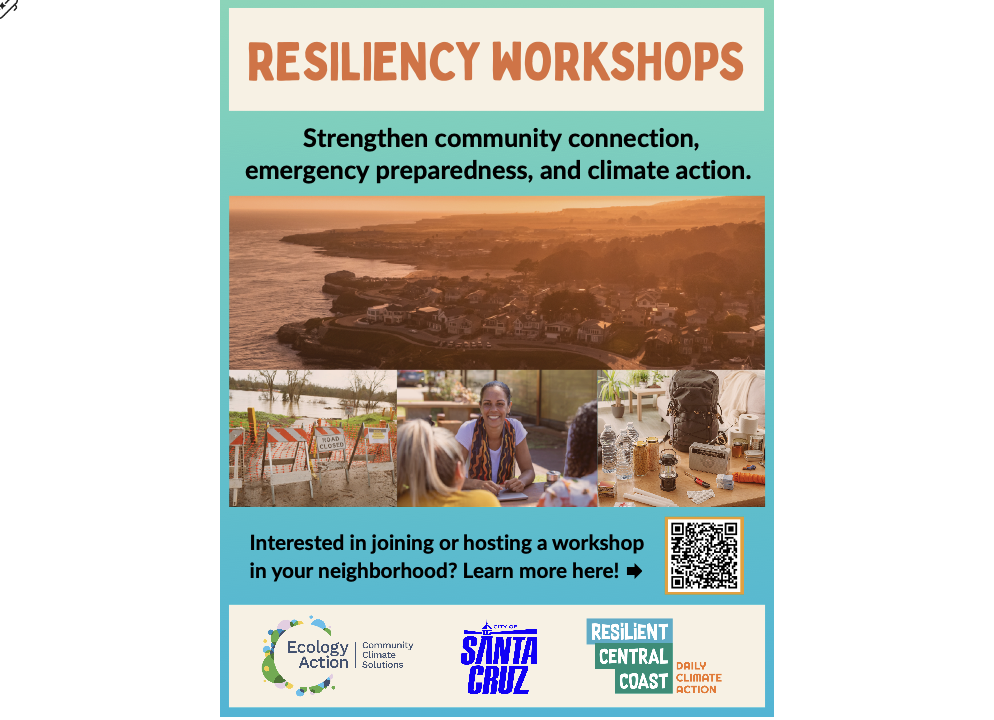
The objectives of these workshops are to build neighborhood connections and increase community confidence, preparedness, and resiliency towards climate disasters while informing community members of resources that support sustainable and resilient habits. Our flexible, interactive workshop model aims to accommodate a wide range of formats, from small gatherings (6+ participants) to larger community events. If you are interested in hosting or participating in a workshop, click HERE.
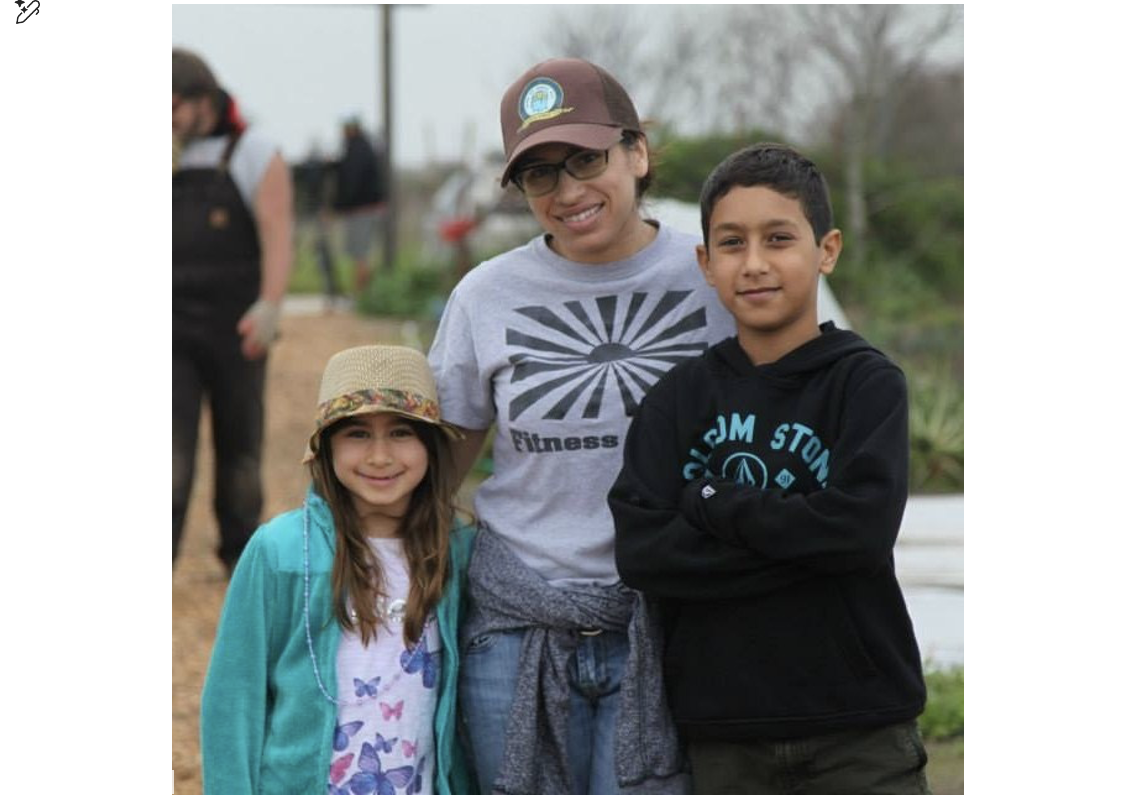
On the farm, you will meet the crew, learn more about the farm, and join that day's activities which may include: weeding, harvesting, planting, building compost and more. Projects are weather dependent and defined by the day's priorities. We often can't tell you exactly what project you'll be working on in advance. Arrive any time to join our crew for a day on the farm, working on a variety of tasks. Sign up for reminders and additional information or feel free to just drop in! At Natural Bridges Farm. Far West-side. INFO.
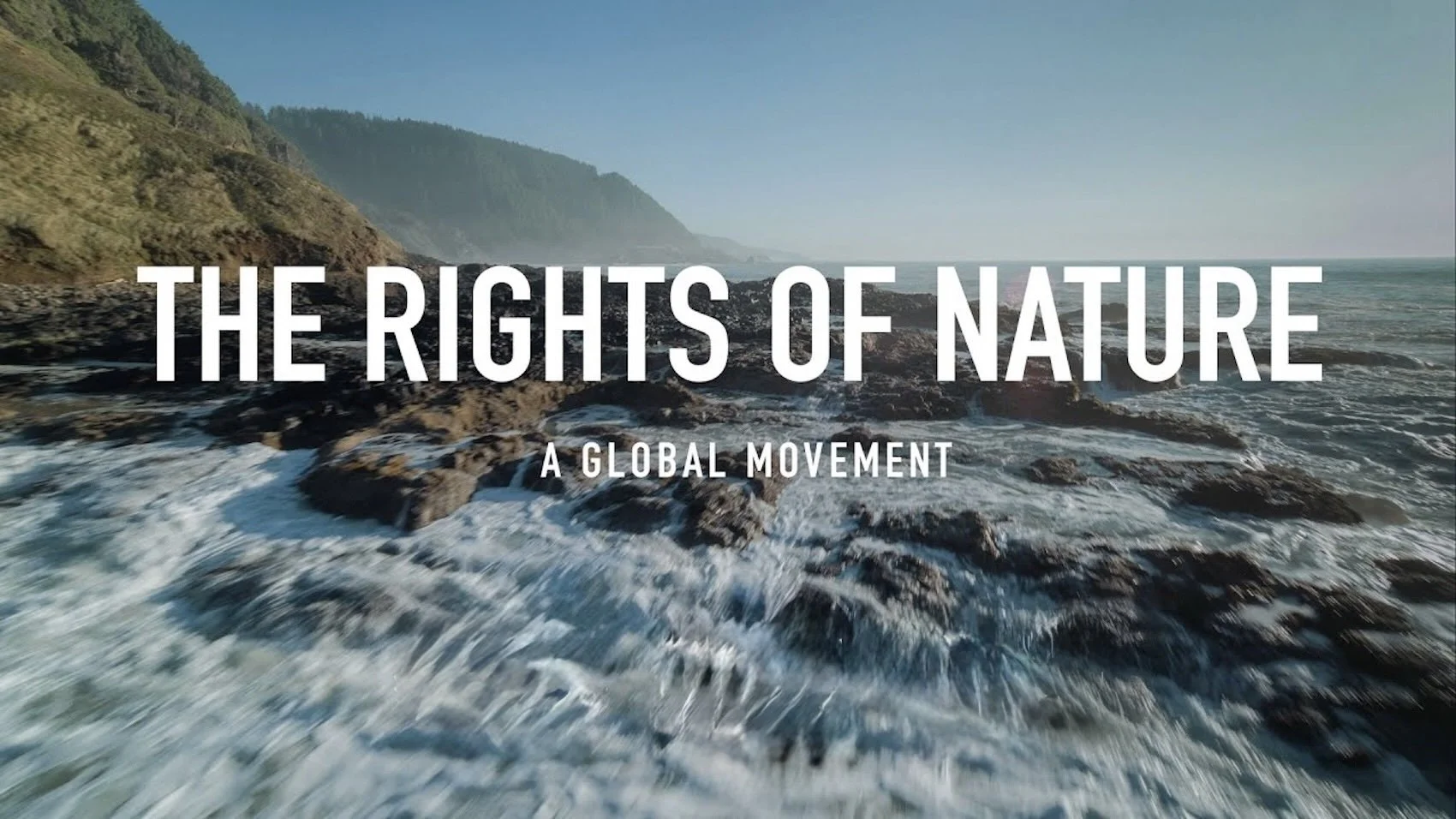
Rights of Nature is a growing legal and cultural movement that recognizes ecosystems — like rivers, forests, and oceans — as living entities with inherent rights to exist, thrive, and regenerate. Instead of treating nature solely as property, this framework gives communities a legal tool to defend the natural world when it’s threatened. We are a grassroots working group pursuing a ballot initiative to grant local ecological entities legal rights to exist and evolve. We're currently researching which ecosystem or species — such as the San Lorenzo River, salmon, or wildlife corridors — should be the focus of the policy. We need researchers now, and will need help with communications and signature collection as we move forward. We hope you will join us. Please visit our website HERE.
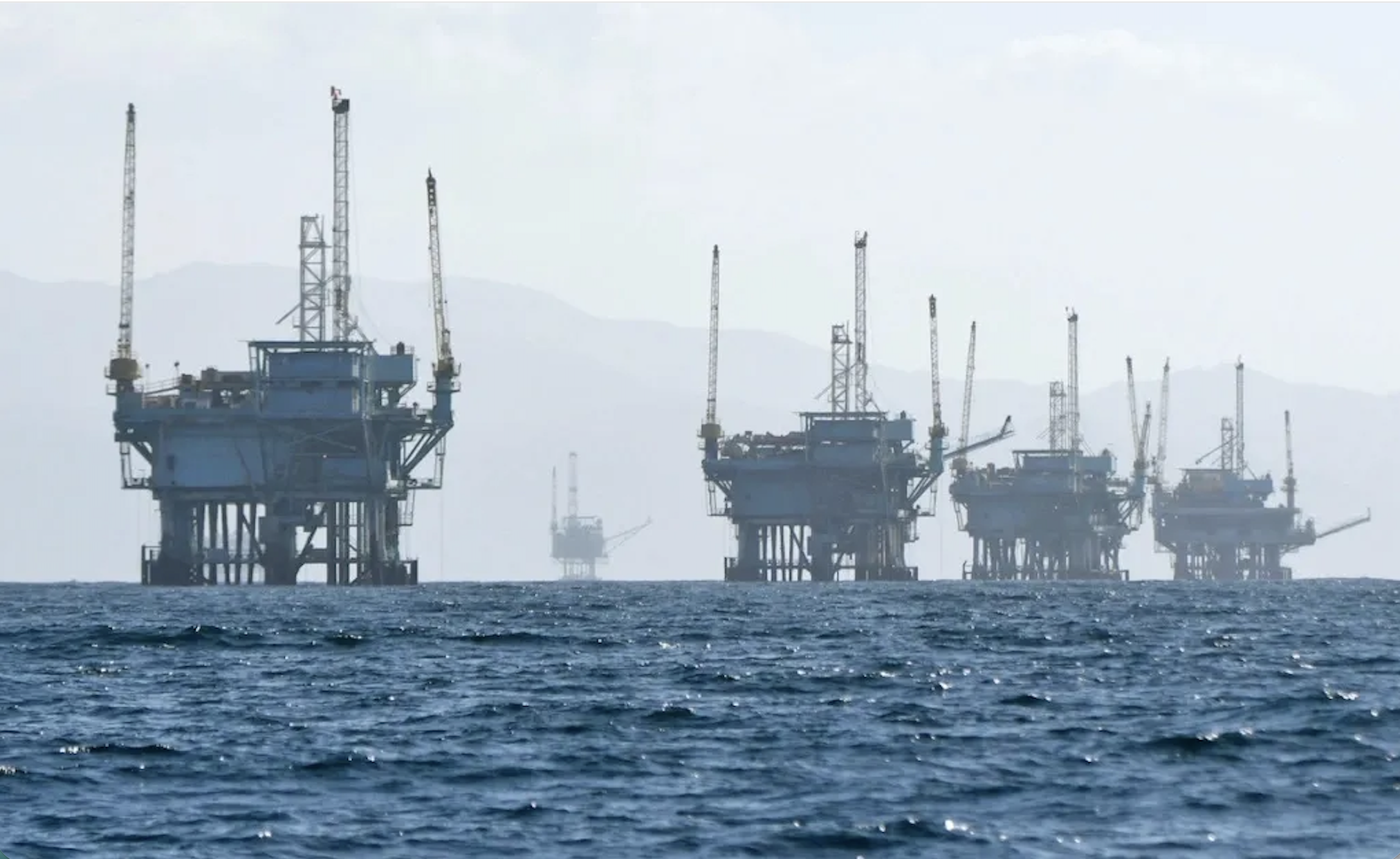
Offshore drilling leases and deep-sea mining are once again being proposed along the California coast, despite the major risks these industries pose to marine ecosystems and coastal communities. While these activities would occur in federal waters, local governments still have powerful tools to push back through ordinances that regulate onshore support facilities within their jurisdictions. Save Our Shores is partnering with local governments to strengthen California’s historic “Blue Wall” by updating existing ordinances to include protections against facilities supporting both offshore oil drilling and deep-sea mining. Your voice matters and representatives need to hear from you. Get info and sign up to keep informed HERE.
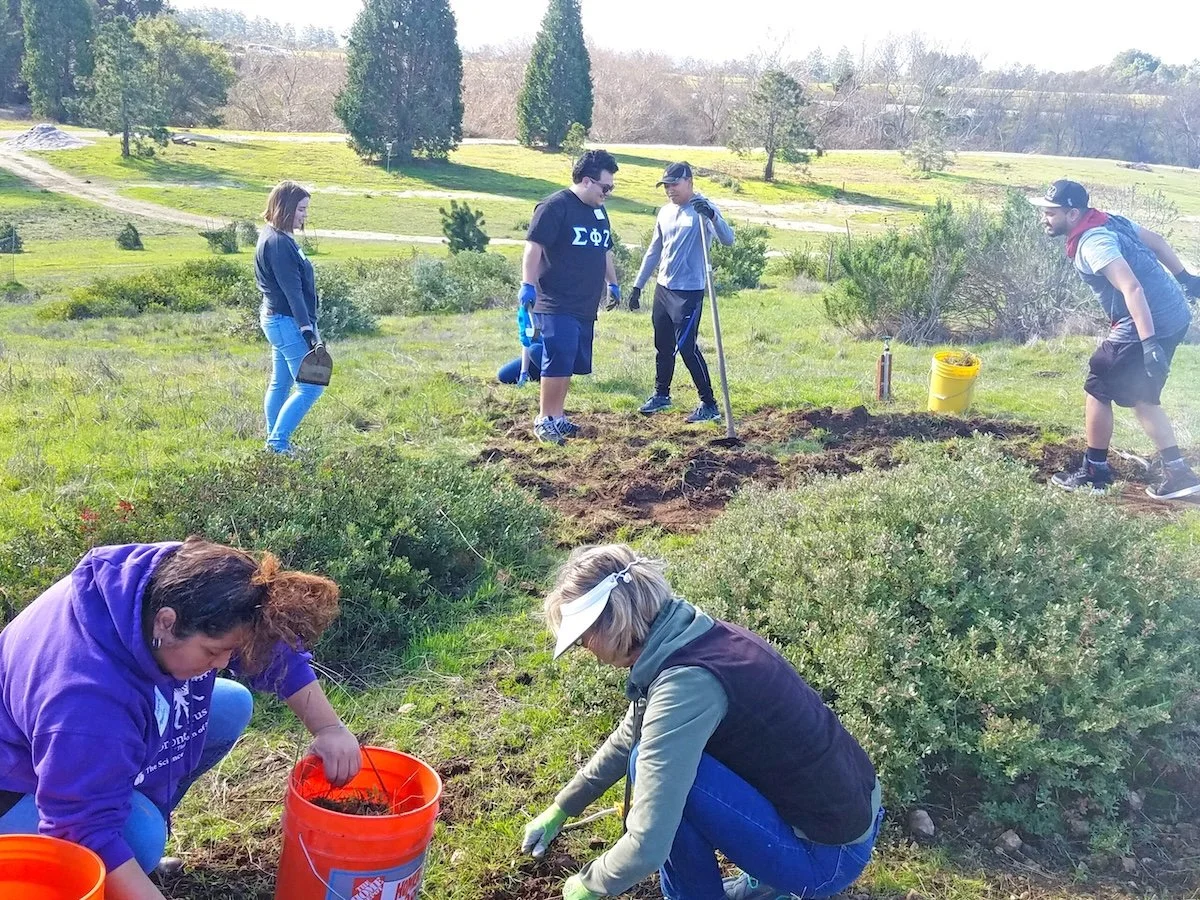
The UC Santa Cruz Arboretum & Botanic Garden relies on 100+ volunteers year-round to keep this place growing! By volunteering you become part of a community that directly supports the Arboretum’s overall mission to connect people with plants. No matter what group you work with, you will learn by working side by side with home gardeners, experienced and amateur naturalists, active and retired professionals as well as people who are just beginning to explore the world of plants. To become a volunteer at the Arboretum, prospective volunteers review available volunteer opportunities then fill out an online application form. More info HERE.
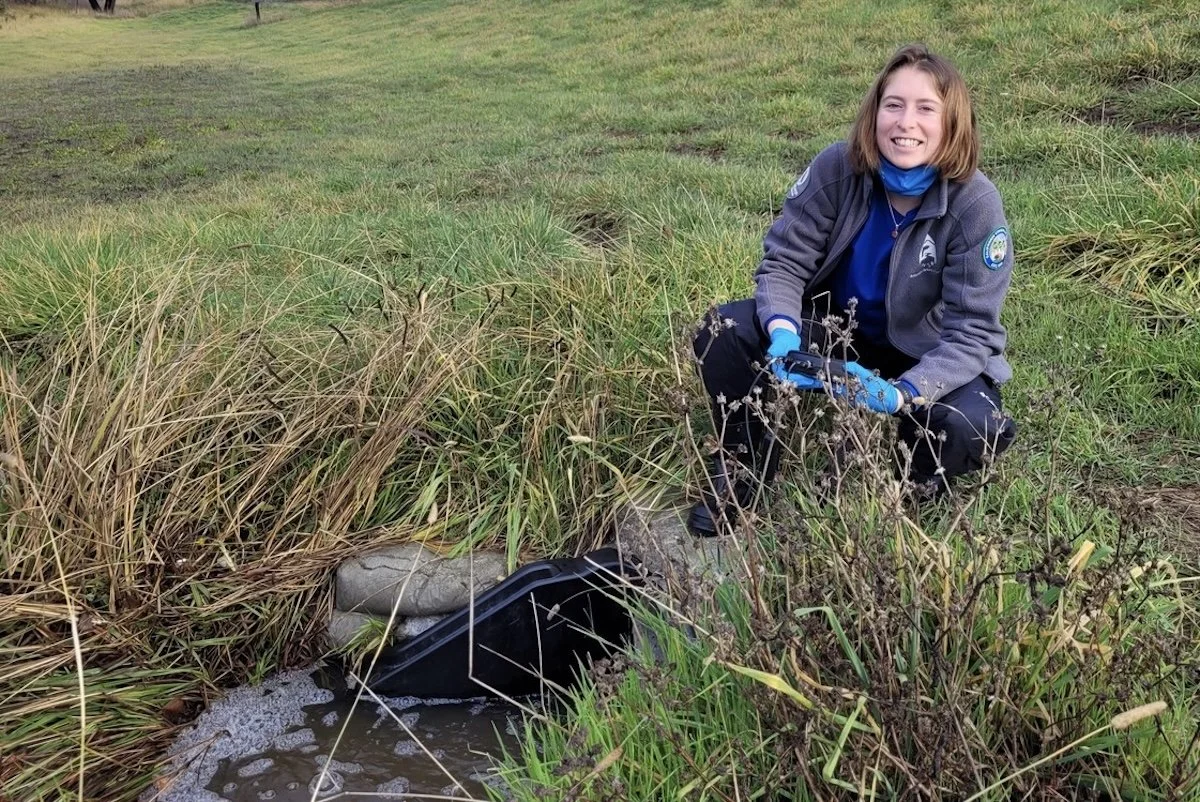
Do you love hands-on science and getting out in nature? Watsonville Wetlands Watch partners with the City of Watsonville and County of Santa Cruz to regularly collect water quality data at a number of sites throughout the Watsonville Slough System. Join our water quality testing team and help us monitor the health of our sloughs in Watsonville! You'll receive basic training in water quality testing methods. We provide volunteers free snacks on the day of our monthly water quality data collection. Volunteers must be at least 18 years old and able to hike on rugged or muddy terrain. For more info, or to sign up, email Geniva HERE.
Online Opportunities for Taking Action

Legislators in the U.S. Senate have introduced an (energy) “permitting reform” package containing disastrous rollbacks to the Endangered Species Act that could push America’s most vulnerable animals and plants to extinction. Under the guise of helping renewable energy, the legislation would actually give the fossil fuel industry massive long-term structural advantages. This backroom deal would gut the Act’s gold-standard “best available science” mandate by making it all but impossible for scientists to prove that imperiled species and the places they live need protection. Outrageously, it would surrender one of the Act’s most important safeguards — the requirement for federal oversight of wildlife decisions — to hostile state agencies in places like Texas and Wyoming. Act HERE.

Last week the Trump EPA announced their plan to officially erase life-saving national limits on power plants. This decision would leave the U.S. without any national limits on the amount of air and climate that power plants can put into our air and even prevent the EPA from setting limits in the future. EPA’s previous analysis found that eliminating these protections would cause thousands of premature deaths and tens of billions of dollars in increased health costs for people across the country. We have less than 50 days to fight back. Submit an official public comment to the EPA and demand they hold dirty power plants accountable for their pollution! Speak UP!
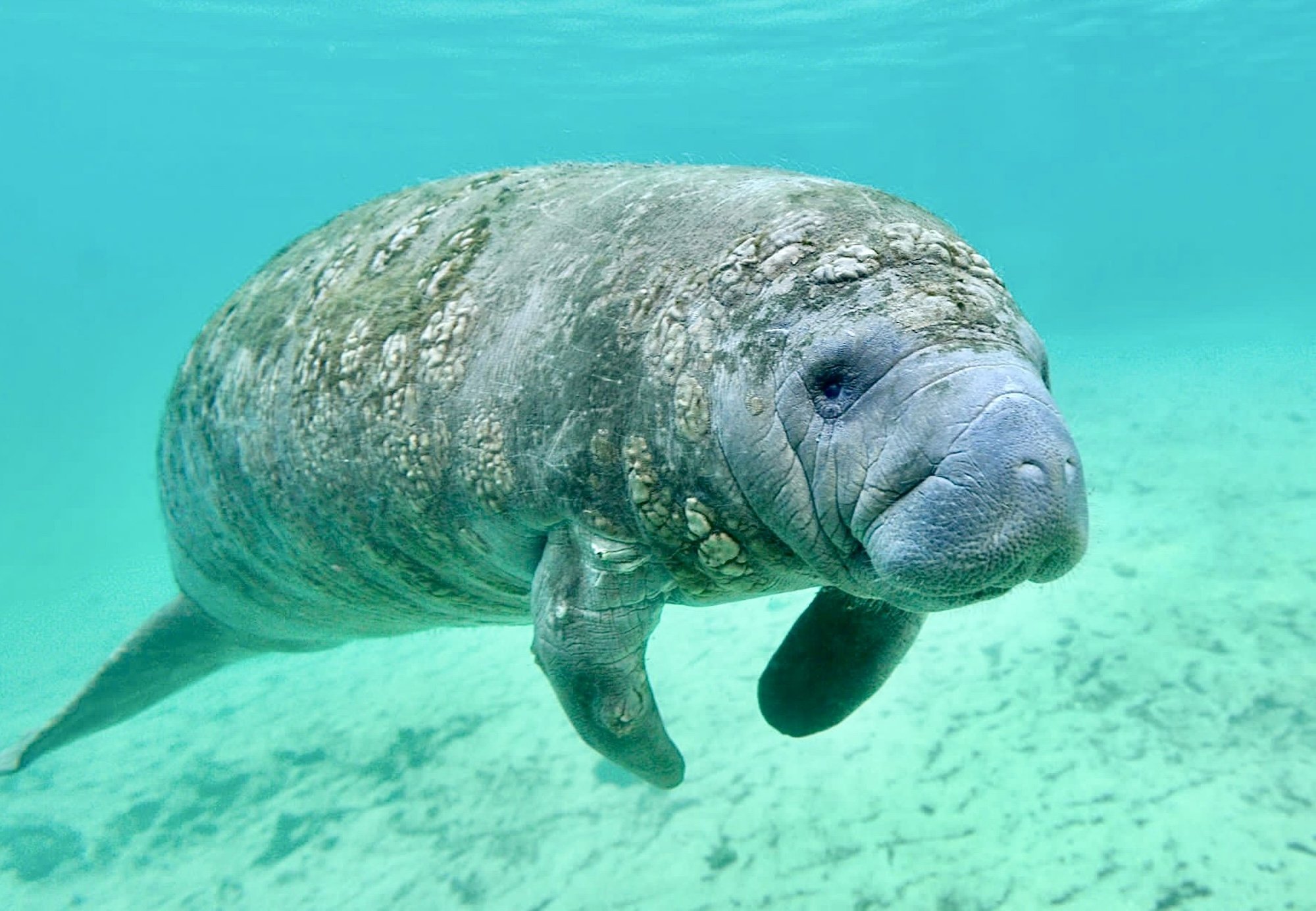
A dangerous piece of legislation is moving through Congress — and it threatens to tear apart America’s most effective, life-saving law for our most vulnerable wildlife and plants. The ESA Amendments Act of 2025 is a short-sighted attempt to rewrite the Endangered Species Act, putting powerful industry interests ahead of smart, science-based protections for our most vulnerable wildlife. Crafted by a small group of lawmakers beholden to billionaire industry donors, this bill eliminates key wildlife and habitat protections, weakens scientific oversight, and paves the way for species extinction in the name of corporate profit. Take ACTION!

Project Drawdown is piloting a new way to help people take climate action – and we want you to be part of it. We’re inviting adults across the United States, especially those who care about climate change but aren’t sure where to begin, to join a free six-week online pilot program. Together, participants will connect with others looking to make a difference, explore the five climate superpowers from the Super High-Impact Initiative for Fixing Tomorrow platform, go deeper into the science of climate solutions with leading experts, and take meaningful next steps in their own lives and communities to stop climate change. Moreover, as the pilot cohort, you will be helping to shape the future of the program and our work here at Project Drawdown. Learn more and apply HERE. Applications are open through Thursday, October 8, 2026
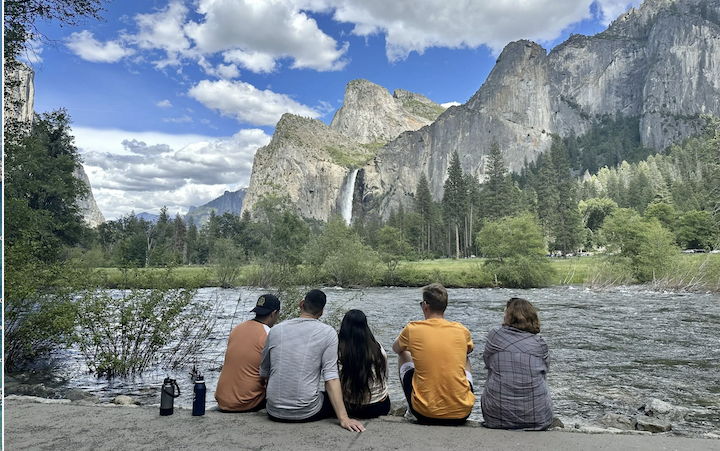
In 1890, John Muir worked with Congress and public activists to establish Yosemite National Park. Two years later, Muir founded the Sierra Club to protect more irreplaceable outdoor landscape and natural resources, like Yosemite. Now, Trump is trying to carve up Yosemite to make a private real-estate development more profitable. He wants to give a private equity development company access to a portion of Yosemite National Park through a secret proposal. Act HERE to demand Congress oppose any land exchange or sale that would allow for private development through Yosemite National Park! Act HERE.
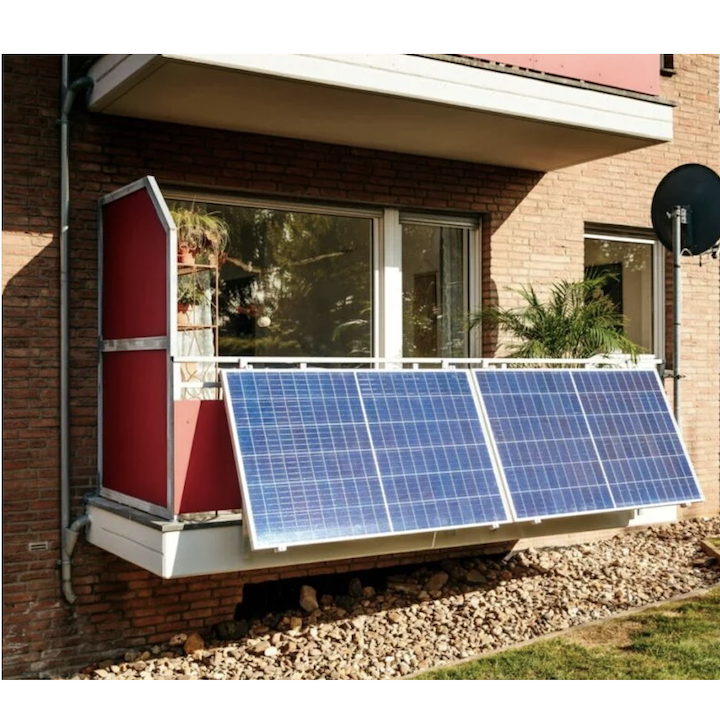
Three bills sit on Gov. Newsom’s desk that would increase access to solar energy for all Californians, while also lowering our energy bills. The Clean Local Power Act (SB 913) allows local energy resources like smart thermostats, home batteries, and electric vehicles to deliver their full value to the grid. The Customer Renewable Energy Program (AB 1813) strengthens the framework for California’s community solar and storage program, making these programs more accessible and affordable, at no additional cost to the taxpayer. The Plug Into Solar Act (SB 868) legalizes affordable solar panels that plug directly into a home outlet, cutting energy costs dramatically, especially for renters and apartment buildings. Urge Gov. Newsom to sign these bills HERE!
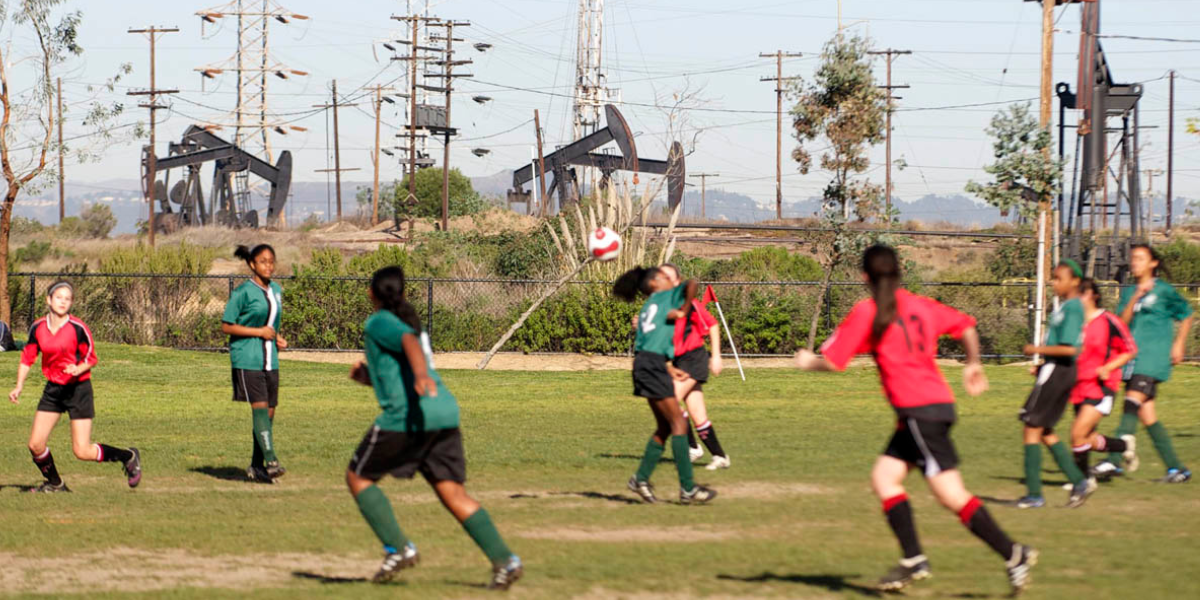
Californians overwhelmingly support legislation to hold fossil fuel companies accountable for their actions — and for the damage they do to the climate and the environment. But Big Oil is fighting back, spending millions to lobby lawmakers for industry handouts. Now California legislators have introduced two bills to give the industry what it wants: more drilling permits and more ways to dodge its cleanup responsibilities. Assembly Bill 2711 would facilitate oil companies looking to expand drilling in California by rushing environmental review and limiting public input on potential projects. Meanwhile Assembly Bill 2716 would let polluters sidestep the Orphan Well Prevention Act, a 2023 law that helps protect taxpayers from industry bankruptcy — which Big Oil often uses to dodge its responsibilities and dump its cleanup costs on the public. Californians have paid enough for fossil fuel giants’ sins. Tell your state senator to stop this double-whammy giveaway to the oil industry. Act HERE.
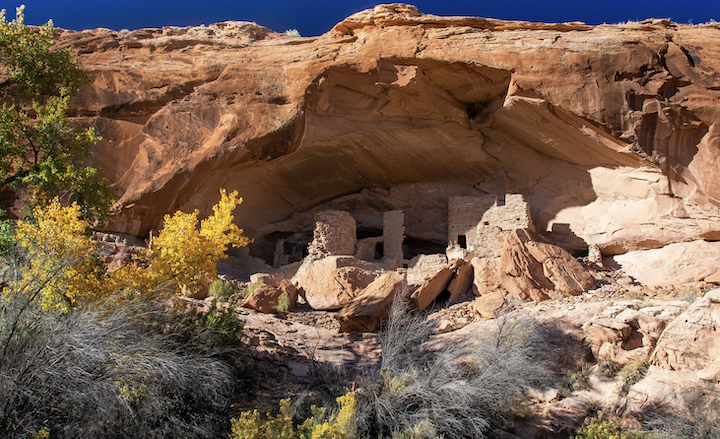
For nearly a decade, we’ve joined Indigenous tribes, environmental leaders and the outdoor community in the ongoing fight to preserve Bears Ears and the surrounding landscape as a nationally protected monument. The recent action by the Trump administration to shrink Bears Ears and Grand Staircase-Escalante national monuments is yet another attempt to liquidate public lands. Tribal Nations are the original stewards of the area, with ties to Bears Ears and Grand Staircase-Escalante stretching back thousands of years. It is vital we support their vision to ensure these sacred cultural landscapes are protected. The president’s latest actions does the exact opposite. We remain committed to defending the land with those who have stewarded the area for time immemorial. Join us and take ACTION.

The herbicide paraquat, widely used in the U.S., is so toxic it's banned in over 70 countries. It's also linked to a significantly increased risk of developing the neurodegenerative disease, Parkinson's. It's absurd for such a dangerous substance to be sprayed anywhere near our food. But progress is possible: Vermont just passed the nation's first paraquat prohibition. Urge our governor today to follow Vermont's lead and phase out the use of paraquat here in California. Act HERE.
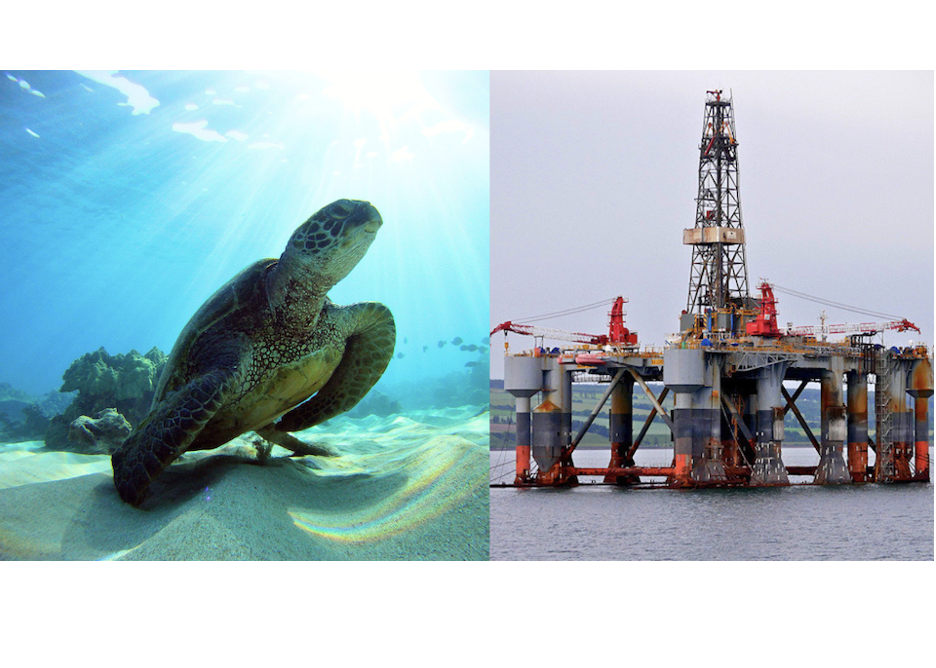
Houston, we have a problem: The Trump administration has proposed to turn rickety offshore oil rigs into “spaceports,” sites for launching and landing spacecraft. This isn't some clever repurposing scheme, though — quite the opposite. No oil rig or platform was designed to withstand the rigors of rocket operations. Using antiquated infrastructure for launch and recovery activities could threaten workers' safety and degrade water quality. And the rocket noise, explosions, fuel spills, and industrial activity would harm marine life like whales and sea turtles. The law requires oil companies to remove aging offshore platforms and restore habitat when drilling stops. The new proposal could let them attempt to leave decrepit rigs in the ocean "for future spaceport use" (aka indefinitely). Tell the U.S. Bureau of Ocean Energy Management: Don't let Big Oil dodge its duties and convert our oceans into industrial testing grounds for billionaires' rockets. ACTION.
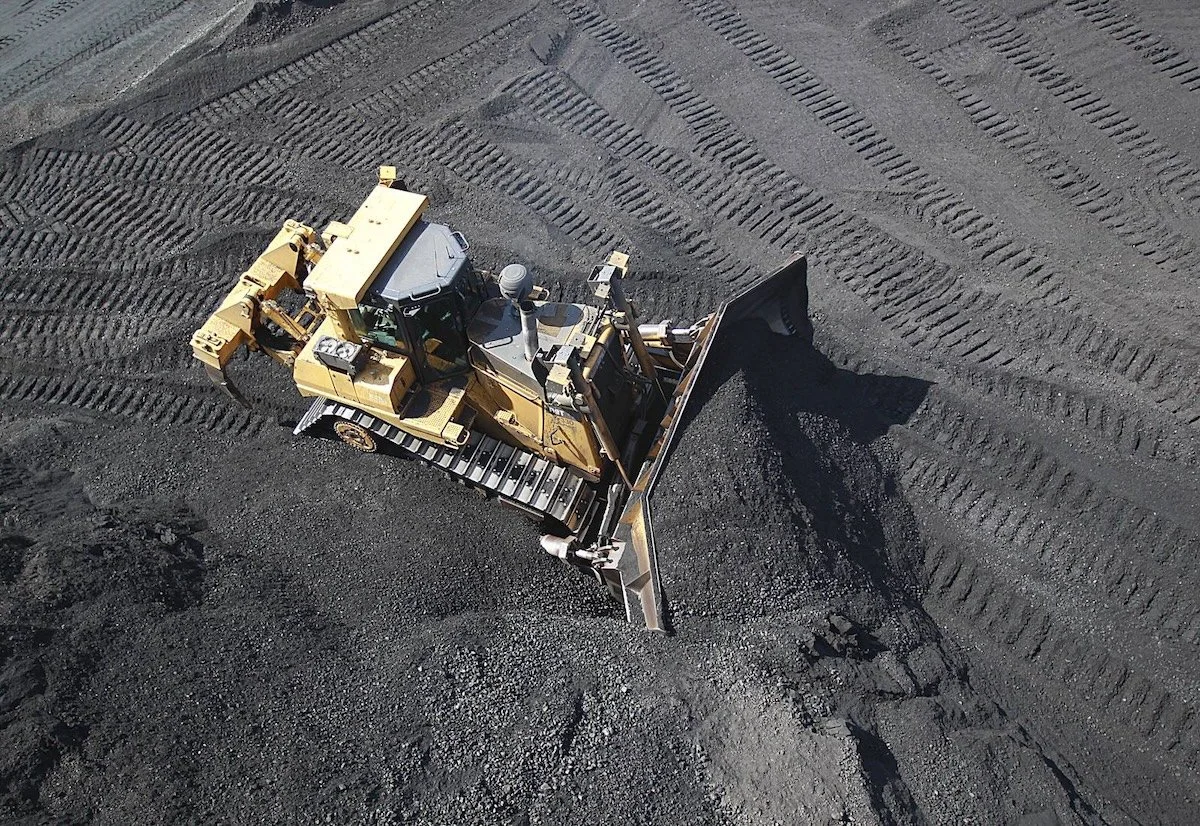
Assemblymember Mia Bonta introduced the Community First Coal Review Act (AB 40) in order to protect the clean air and health of East Bay cities from the devastating impacts of a new coal port. The bill would require a full Environmental Impact Report before any local agency may grant a discretionary approval for a new or expanded coal handling, storage, or export facility. In June, Donald Trump announced a $75 million investment into a proposed massive coal export terminal next to the Bay Bridge. The Oakland Bulk and Oversized Terminal (OBOT) would bring coal trains from states like Utah and Wyoming straight into West Oakland, which is already burdened by historically poor air quality and health disparities. AB 40 would ensure that outdated environmental review on OBOT is replaced by a new, comprehensive study that takes into account its effect on the surrounding cities of Richmond, Albany, Berkeley, and Emeryville in addition to Oakland. Please ask your legislators to support AB 40, which would help protect Oakland and other California communities from toxic coal projects! Action HERE.
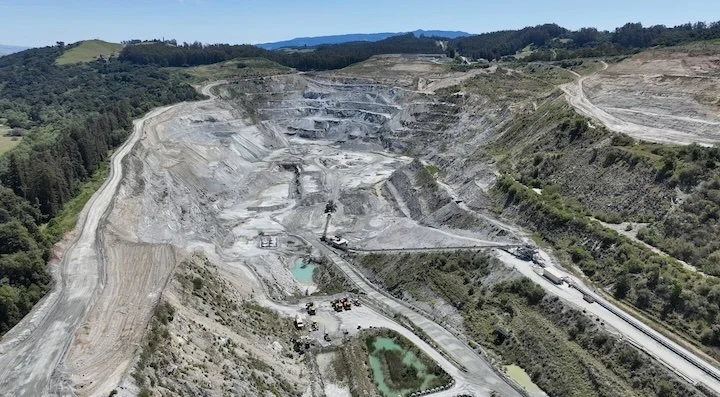
Nestled along California's Central Coast, the Pajaro River provides essential habitat for endangered species including the red legged frog, long-toed salamander and steelhead trout, and a beautiful place for families to enjoy the outdoors. A nearby mining company, Graniterock, has frequently polluted the river, according to a lawsuit filed by Environment California, along with the California Sportsfishing Protection Alliance. Now, instead of cracking down, the regional water board wants to make changes to the mining company's permits that would make it harder for the public to know whether Graniterock is releasing harmful levels of pollution. Tell the regional water board: Don't let the Pajaro River be polluted again. Act HERE.

Some of central California's most important wildlife habitat could soon be opened to oil and gas development. The Bureau of Land Management (BLM) is considering leasing 50 parcels for oil and gas development across California's Central Valley. While some of these parcels are already in heavily disturbed areas, nine of them stand out because they remain largely intact and provide important habitat for some of California's most imperiled wildlife. Five of the parcels are located adjacent to, or within 1.5 miles of, Carrizo Plain National Monument, one of California's most spectacular remaining grassland landscapes, home to San Joaquin kit foxes and amazing superblooms. Submit a public comment to tell the BLM: Keep oil and gas leasing away from Carrizo Plain and important wildlife habitat. Action HERE.
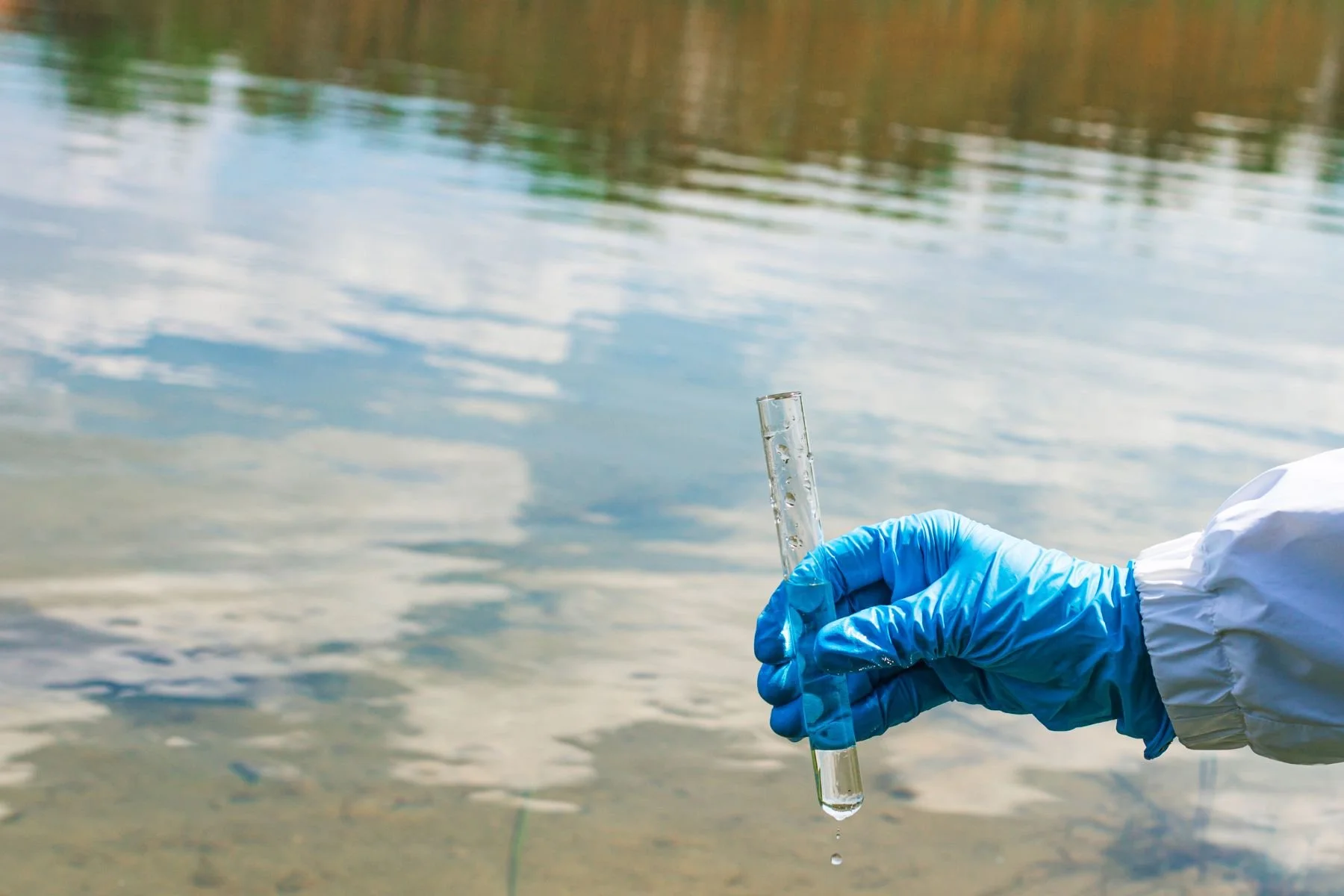
Toxic chemicals don't belong in the water we drink. That's something we should all be able to easily agree on. PFAS have been detected in the drinking water of more than 175 million Americans. Exposure to even low levels of PFAS over time have been linked to a wide range of health effects, including increased risk of some cancers, decreased fertility and developmental delays in children. But right now, the Environmental Protection Agency (EPA) is proposing to rollback restrictions that keep toxic PFAS "forever chemicals" out of our water. We only have until July 20 to ask the EPA to abandon this rollback and keep toxic PFAS out of our drinking water. Add your name today HERE
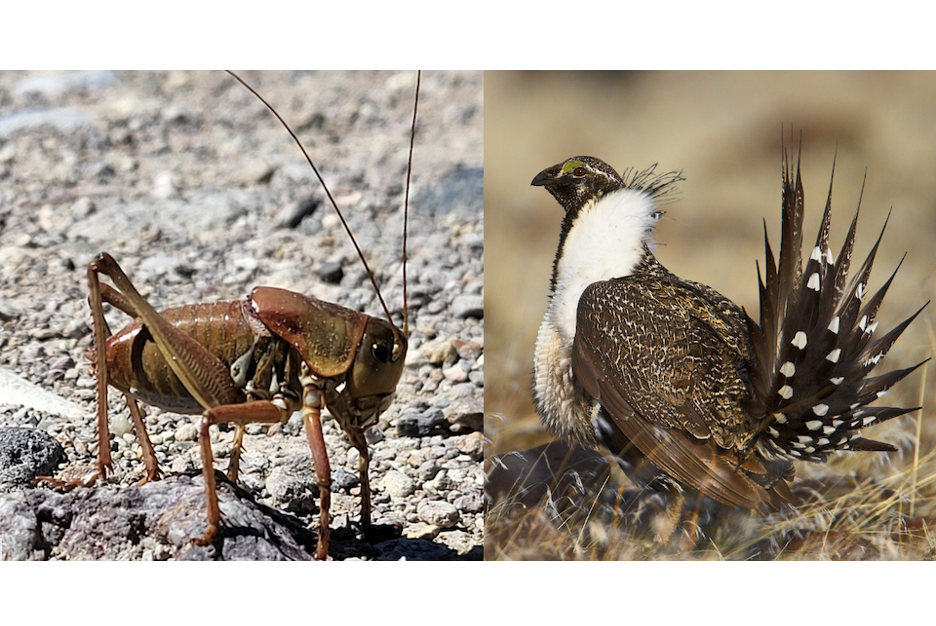
For decades the U.S. Department of Agriculture's Animal and Plant Health Inspection Service, aka APHIS, has run an antiquated and highly secretive program that allows insecticide spraying to kill native grasshoppers and Mormon crickets on public lands in 17 states. This is done to keep insects from “competing” with cows for grass. The public lands APHIS targets for spraying are home to an astonishing diversity of wildlife, including imperiled sage grouse — who eat grasshoppers and Mormon crickets — and vulnerable pollinators like butterflies and bees. Spraying these lands harms wildlife, and because APHIS is so secretive about its activities, most people visiting have no idea whether a given area has been (or will be) sprayed. Now, thanks to a legal victory by the Center for Biological Diversity and allies, APHIS is being forced to reassess its grasshopper-and-cricket-killing program — and it needs your feedback. Tell APHIS to completely overhaul its approach, stop drenching sensitive public lands with insecticides, and protect wildlife, people, and public lands. Take ACTION.
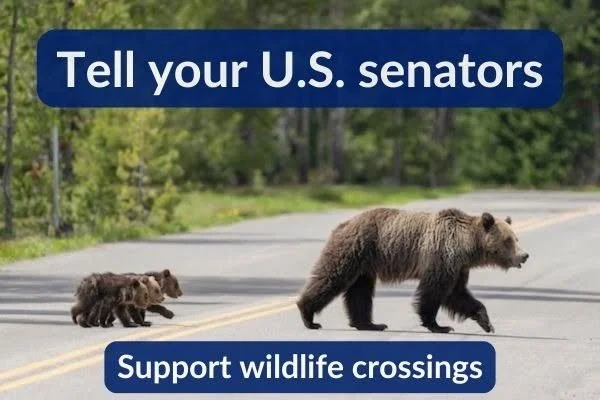
Majestic animals belong in the majestic wild -- not dead on the side of the road. Since habitats are increasingly fractured by roads, highways and other infrastructure, animals are sometimes forced to take deadly risks. Each year roughly 1-2 million bears, moose, elk and other large animals are killed by motor vehicles in the U.S. The results? Animal lives wasted, 200 dead motorists, 26,000 more injured, and billions of dollars in damage. Wildlife crossings -- bridges and tunnels for animals to cross highways -- are an extremely effective solution, and your voice matters. Urge your U.S. senators today to support funding for wildlife crossings in the upcoming transportation bill. Act HERE.
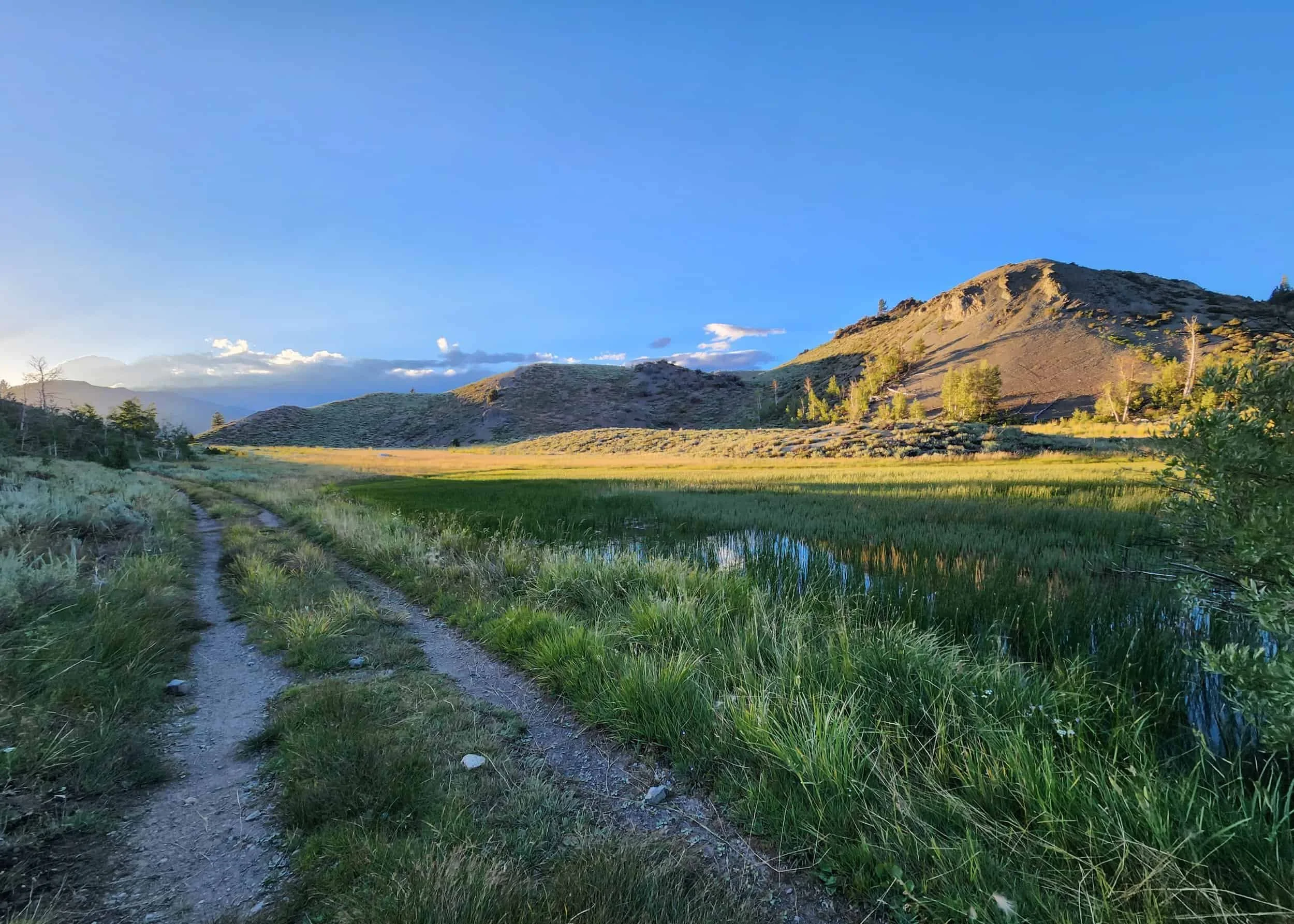
From the Sacramento River Bend to the Bodie Hills, Eastern Sierra, Ord Mountains and beyond, California's public lands could soon see MORE livestock grazing, MORE fences, and LESS public access and oversight. As part of its overall attack on public lands, the Bureau of Land Management (BLM) has proposed major changes to the rules governing livestock grazing on its lands it manages—245 million acres of public lands across the West—including approximately 15 million acres in California. These changes would offer mega corporations and wealthy elite grazing operations handouts they don’t need at the expense of small ranchers, clean air and water, and the greater public. And, they’d stifle the public’s voice in decisionmaking. Submit a public comment before July 13 to oppose these handouts. Act HERE.
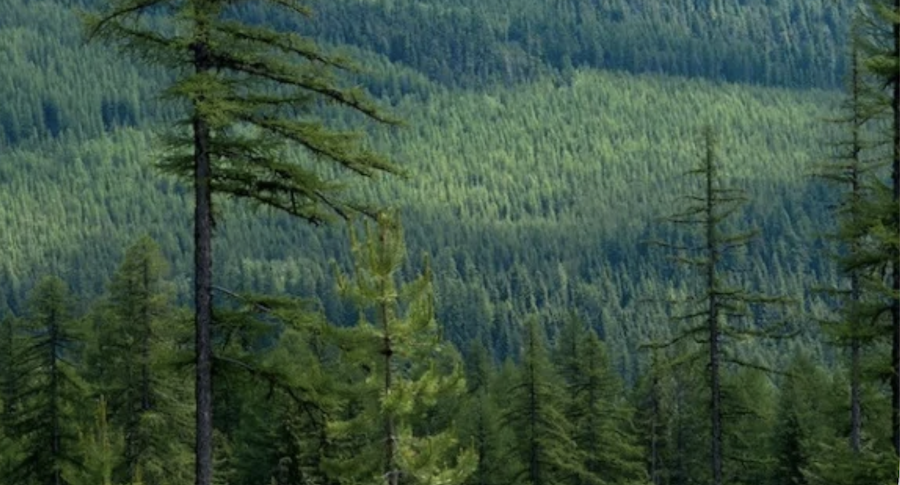
he Forest Service is trying to rush an emergency logging project across six of our national forests. If this goes through, they could remove as many trees as they want across 11 million acres of national forest. They won't even tell us where they plan to log -- they want to be given carte blanche to log wherever they want across millions of acres of trees for five years. This unchecked logging could disrupt the habitat of endangered species and disturb the natural ecosystem.And we just found out they're only giving the public until Monday to weigh in. Take immediate action: Protect 11 million acres of forest from unchecked logging. Take Action HERE.
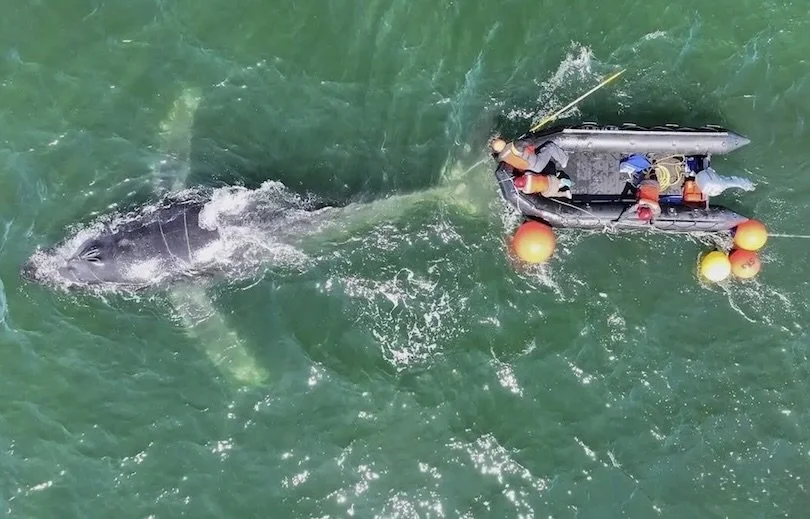
Federal data shows 33 whales reportedly entangled in commercial fishing gear last year — plus nine so far this year — off the U.S. West Coast alone. Most of these whales were humpbacks. (And since not all entanglements are reported, scientists say, the actual entanglement numbers may be five times higher.) Entanglements happen when whales, sea turtles, and other sea creatures get caught in vertical ropes running from buoys at the ocean surface to fishing traps on the seafloor. The ropes can starve, suffocate, wound, and drown animals. Fisheries can prevent suffering and save lives by using pop-up gear (aka “on-demand” or ropeless gear), which stops entanglements by eliminating the need for vertical ropes used in traditional commercial gear. Pop-up gear works and is readily available. But to truly succeed, it needs state and federal support. Sign our petition HERE urging NOAA Fisheries and other decisionmakers to protect whales in key habitat — while still allowing fishing with safer, whale-friendly gear.
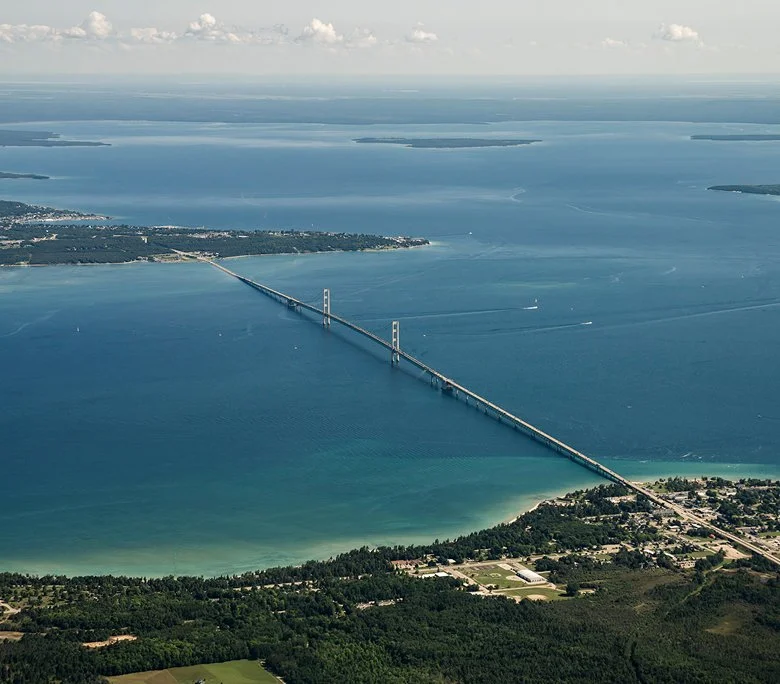
The Michigan state government will decide by July 7 whether to approve a key permit for the expansion of Line 5, a massive oil pipeline running through the largest freshwater system on Earth. Line 5 has already spilled 33 times, and history shows another leak is a matter of when, not if. The Great Lakes are an irreplaceable ecosystem that we cannot afford to pollute even more. Please speak up and tell Michigan officials you oppose Line 5. Speak up HERE.
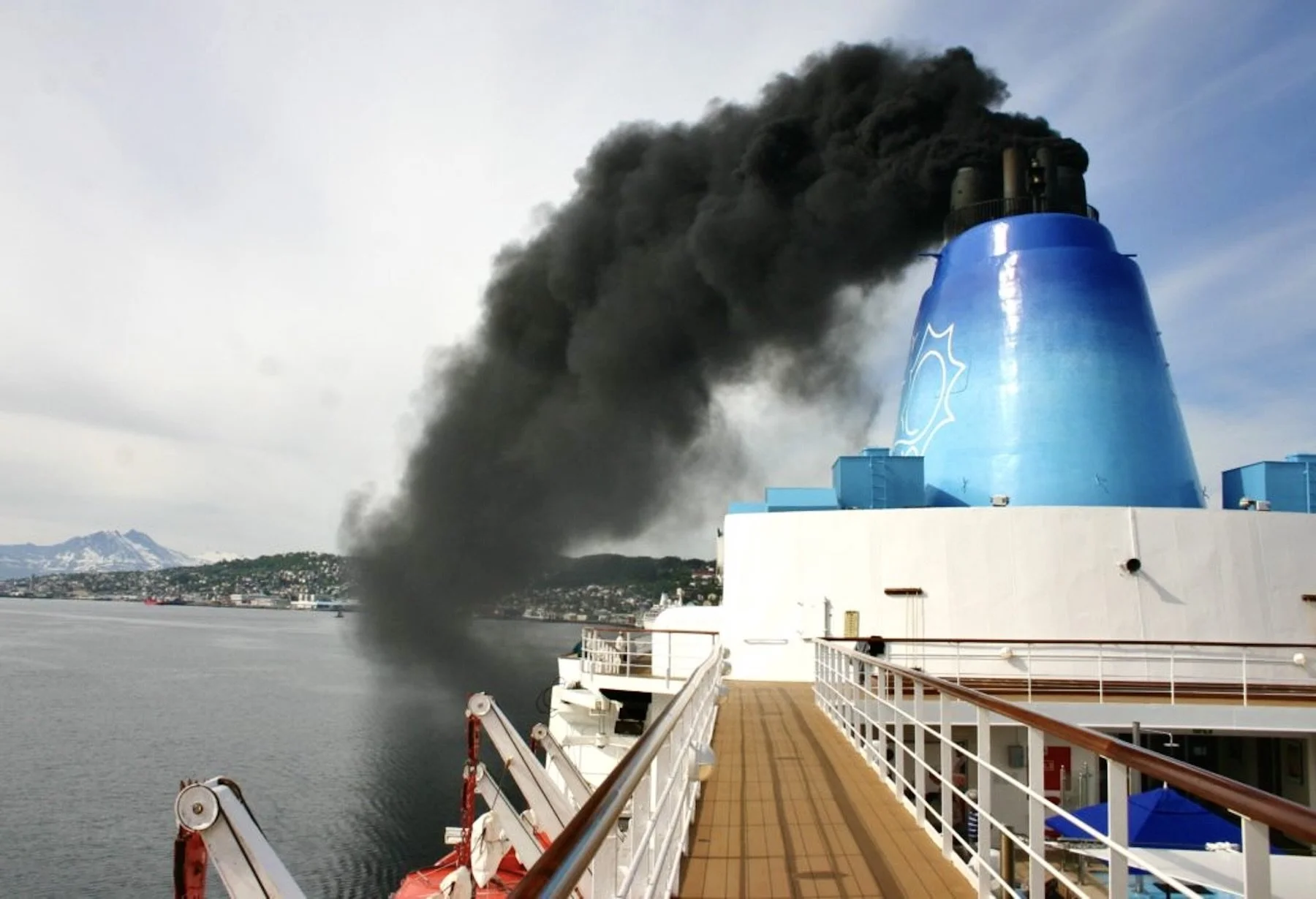
These vessels are part of an important industry that supports millions of jobs and moves many of the goods that power our world. But too often, the pollution that ships produce comes at a steep cost to our health, climate and ocean. The benefits of cleaner shipping are undeniable. If shipping were a country, it would be the sixth-largest emitter of greenhouse gases, responsible for an estimated 1 billion metric tons of greenhouse gas emissions each year. The Next Generation Shipping Act would authorize critical funding to support the development of zero-emission vessels, including cargo ships and beyond, and their supporting charging and fueling infrastructure at ports. Global shipping is on the verge of a green shift! Speak out for this measure HERE.
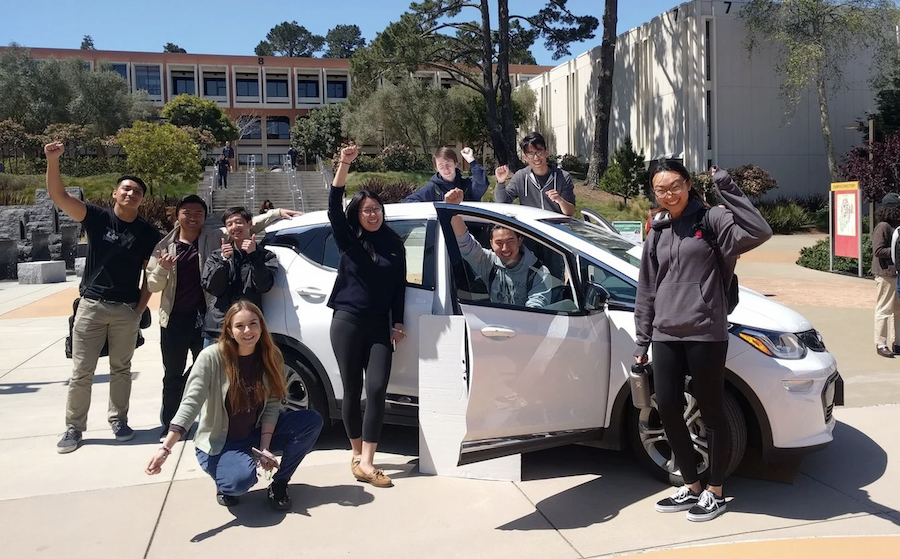
Governor Newsome has proposed a plan that will help more Californians afford new and used electric vehicles — because they deliver real savings. Bold solutions, like cutting our costly reliance on gasoline, can lower transportation costs and make our lives more affordable. For many Californians, transportation is one of the largest household expenses, and electric vehicles can help families keep more money in their pockets. That’s why we’re supporting the Governor’s plan to help more Californians afford EVs! Take Action HERE.
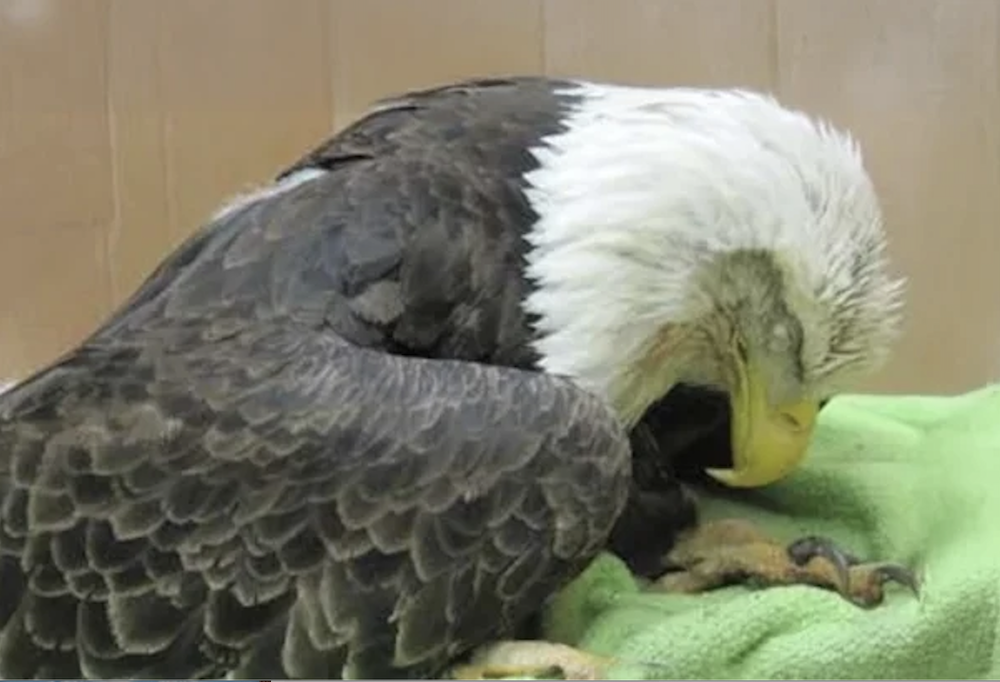
Lead poses a serious poisoning threat to people, wildlife, and the environment — but this dangerous heavy metal is still allowed in hunting ammo and fishing tackle, including ammo used in many national wildlife refuges throughout the United States. Thanks to an agreement between the Center for Biological Diversity and the U.S. Fish and Wildlife Service, in 2023 the agency finalized a rule banning lead ammo and tackle use in nine more national wildlife refuges, including Rachel Carson in Maine and Blackwater in Maryland. Now the Trump administration has proposed repealing the ban — mere months before it’s supposed to take effect in September. Tell the Service to keep the lead out of national wildlife refuges HERE.

Deadly cyanide bombs are a brutal way to kill unwanted wildlife, and they absolutely don't belong where people live, hike and play. But right now, the Bureau of Land Management (BLM) is once again allowing cyanide bombs on the millions of acres of public lands they manage. In 2017, an Idaho boy and his dog were exploring near their home when he noticed something that looked like a sprinkler head on the ground. But it was a cyanide bomb. When he touched it, the device exploded in a cloud of deadly sodium cyanide. The boy was rushed to the hospital. His yellow lab was dead in minutes. The device was planted by government wildlife managers to kill predators, but a child paid the price. Once a cyanide bomb is placed, there's no way to control what -- or who -- will fall victim. Tell the BLM: No deadly cyanide bombs on public lands. Act HERE.
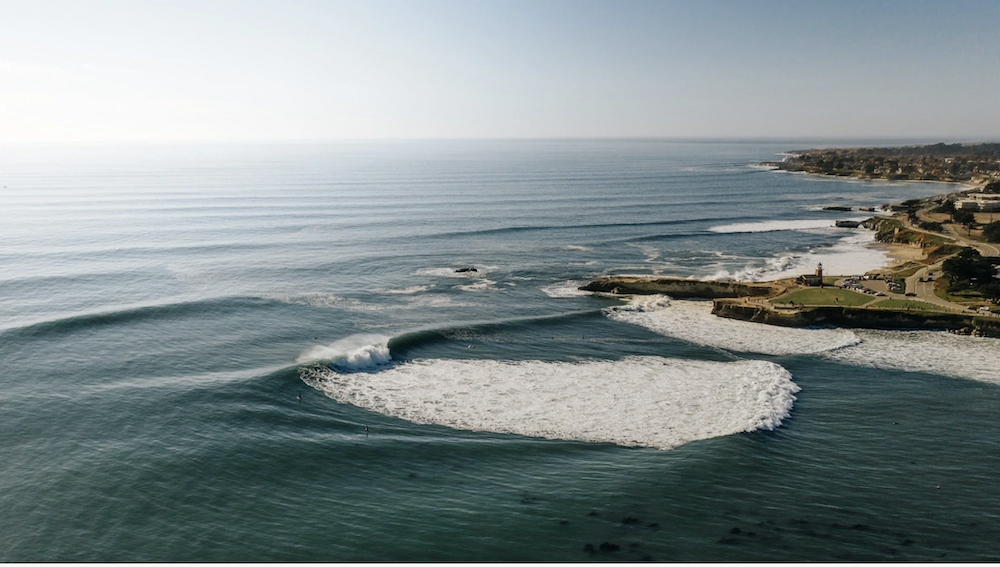
The Trump administration has proposed opening federal waters along the entire California coastline to new offshore oil drilling. While state law blocks the approval of new infrastructure to support these federal operations, a loophole remains: oil companies could tap existing aging pipelines — like how Sable Offshore has restarted the pipeline that caused the 2015 Refugio oil spill — to support new federal drilling. AB 1448 (Hart) is a proposed state bill would close that loophole for good. The bill prohibits existing infrastructure from being used to support new federal offshore development and requires stronger environmental and safety review before any lease renewals or transfers. Take ACTION!
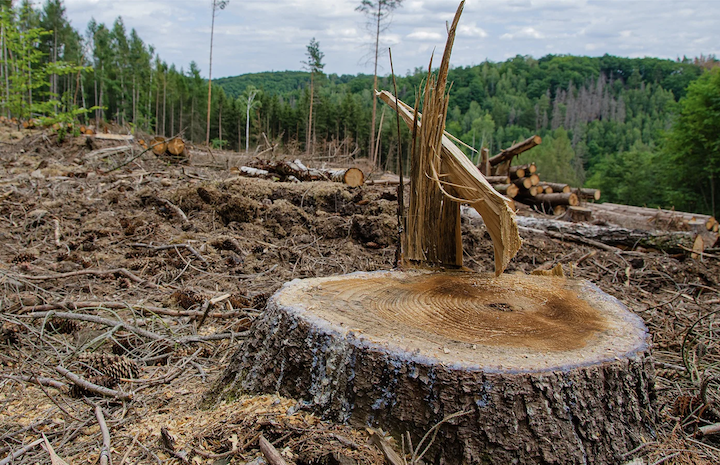
For over a year, the timber industry has been pushing the Fix Our Forests Act -- a bill with provisions designed to fast-track huge logging projects and strip away environmental protections.1 Thanks to people like you speaking up, we've successfully held them off. But the timber industry isn't giving up. They're just changing tactics. Pro-logging members of Congress have added the worst parts of the Fix Our Forests Act to the Farm Bill. And it just passed the U.S. House. Tell our U.S. senators to oppose slipping unchecked logging into the Farm Bill. Act HERE.
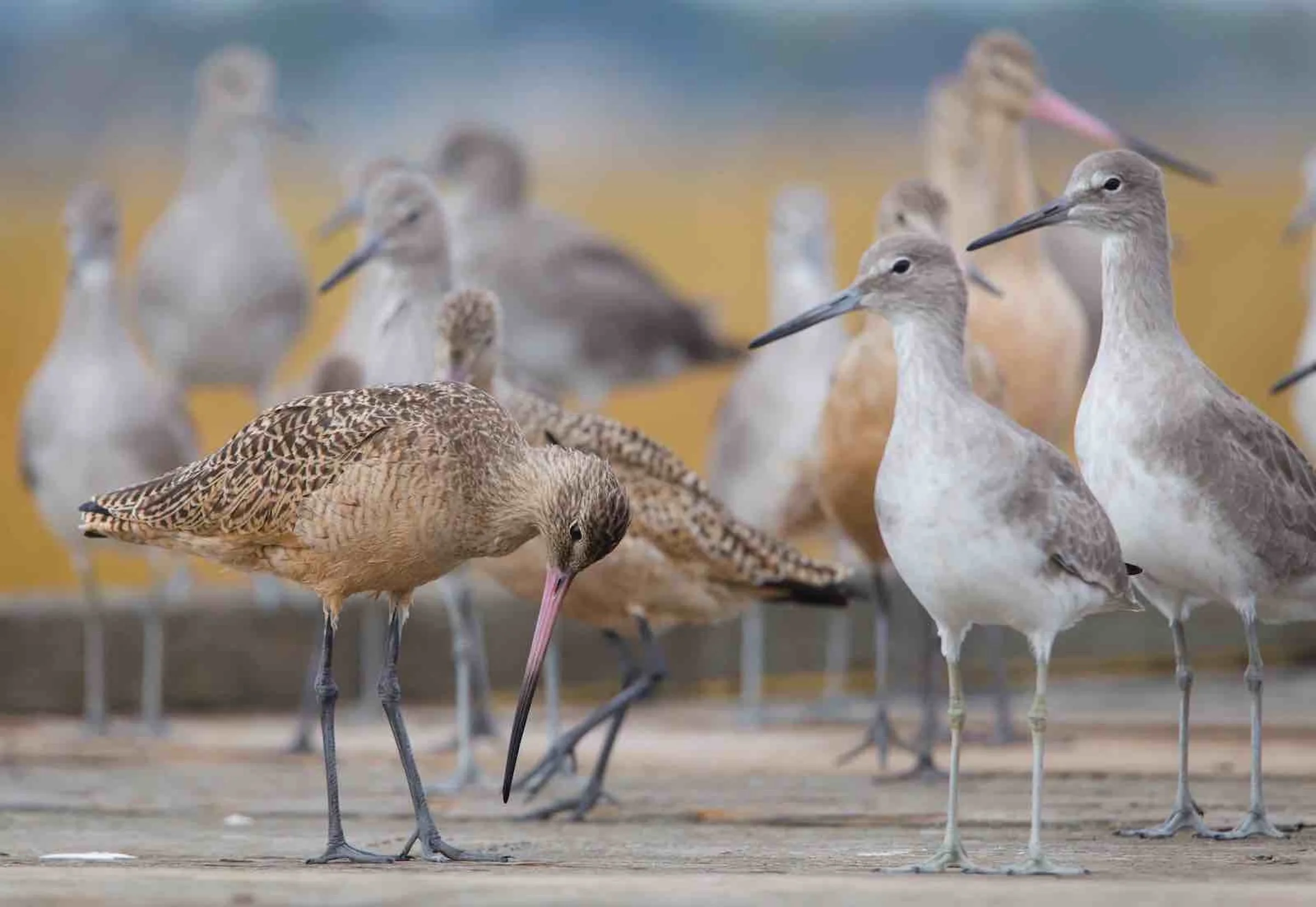
Estuaries, the coastal areas where rivers meet the ocean, are critically important for shorebirds and seabirds. Many of these special places along America's coasts are supported by the U.S. Environmental Protection Agency's National Estuary Program, which strengthens local community-led restoration of vital coastal habitat. This successful bipartisan program is nearing its expiration date—but steps are being taken by Congress to reauthorize and expand it with the ESTUARIES (Enhancing Science, Treatment, and Upkeep of America's Resilient and Important Estuarine Systems) Act. Urge your U.S. Senators to support the National Estuary Program HERE.

The DSGS program is the cheapest, cleanest and most reliable energy resilience solution that we have, and is one of the world’s largest networks of residential clean energy technologies. DSGS is a broad term for programs that pay consumers to reduce electricity usage or provide power during high-stress times to support the grid. This involves coordinating the clean energy resources that are already dispersed throughout our communities, such as home batteries, smart thermostats, electric cars and electric car chargers to reduce demand or supply energy when the grid is strained. Please tell your state legislators to support restored 2026 funding HERE.
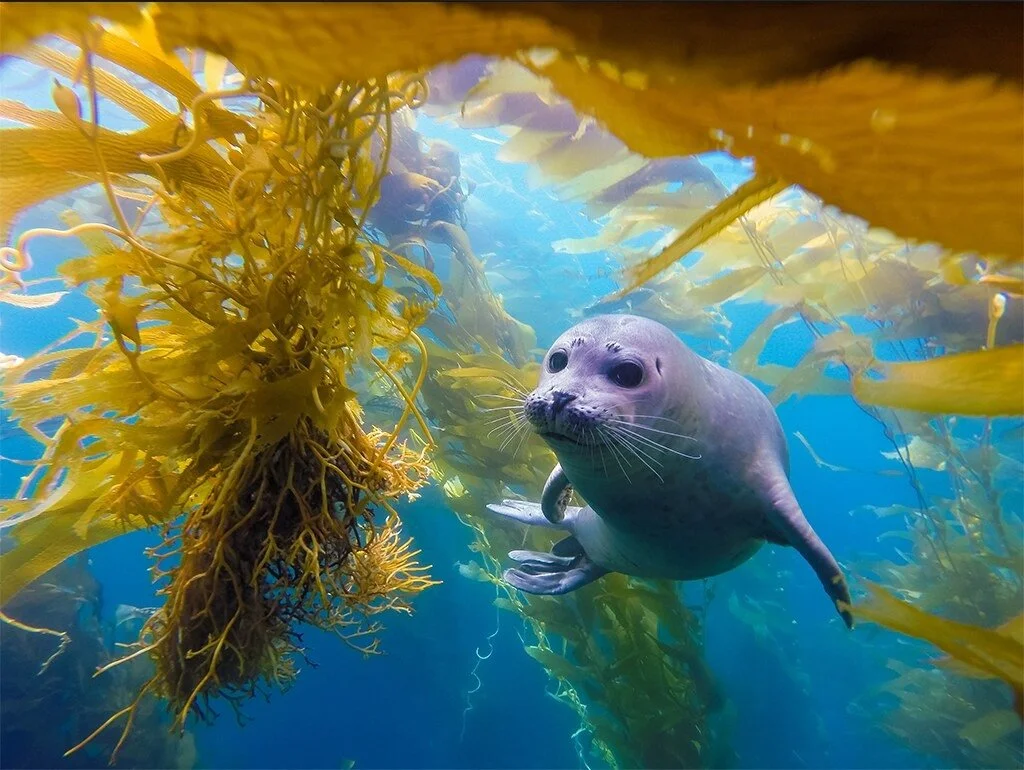
The world’s top scientists agree that reducing GHG emissions is not enough to avoid a climate catastrophe. To defend against this crisis, we must also remove greenhouse gases currently in the atmosphere. The bipartisan ReSCUE Oceans Act is a critical piece of legislation that will establish a plan to fund and carry out safe and effective research on marine carbon dioxide removal (mCDR). Our ocean already absorbs about a third of manmade carbon dioxide emissions. The growing field of mCDR aims to enhance this natural process but must proceed in safe, transparent and science-backed ways. By advocating for oversight and research into science-based innovations like mCDR, you can help unlock the power of safe, proven ocean climate solutions. Urge Congress to support the bipartisan ReSCUE Oceans Act HERE.
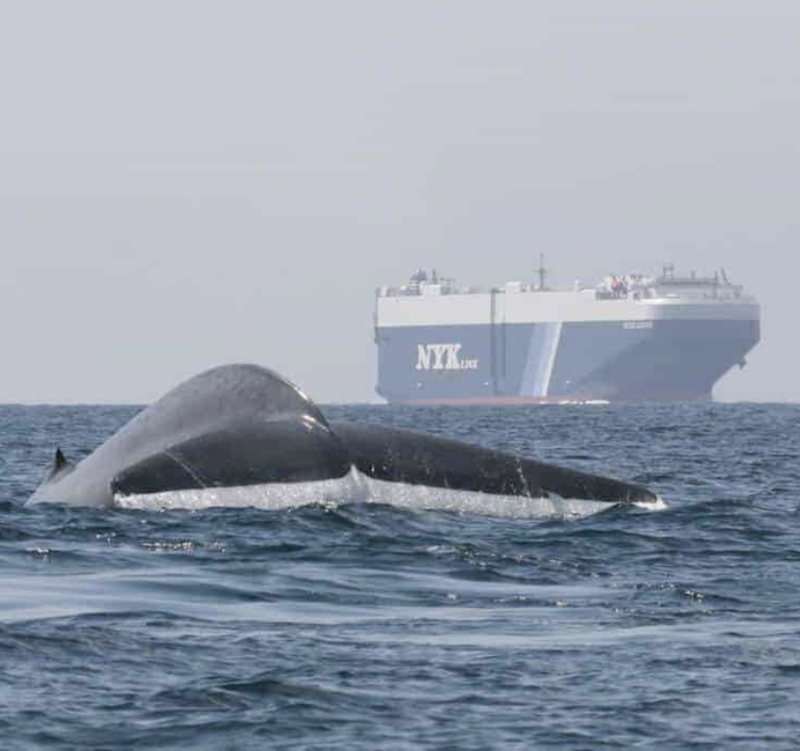
Whales are dying at alarming rates along the West Coast. Dozens have been found dead off California, Oregon, and Washington in recent weeks, and the count is still rising. According to a new study focusing on the San Francisco Bay, nearly 1 in every 5 gray whales entering the bay dies — and more than 40% of the time, ship strikes are the cause. Limiting vessel speeds in key whale habitat to below 10 knots (roughly 11.5 miles per hour) is a tried-and-true way to reduce tragic whale deaths and injuries, especially for mothers and calves, who are at greater risk from ships because they spend a lot of time near the ocean's surface. Join the call for whale-safe ship speeds: Urge NOAA Fisheries and the U.S. Coast Guard to require vessel speed limits where whales are most likely to be. Act HERE.