

CALPIRG: Tell your representative: Keep the U.S. Postal Service’s electric vehicle fleet on the road
The U.S. Postal Service (USPS) is in the process of electrifying its fleet of delivery vehicles. The first zero-emission mail truck hit the road last year, and now more than 7,200 electric delivery vehicles are bringing Americans their mail. But a proposal in the U.S. Senate would have forced the USPS to sell off its EVs and reinvest in fossil fuel-burning trucks. This supposedly money-saving move would actually cost the Postal Service upwards of $1.5 billion. Selling off trucks we already bought and letting charging infrastructure go to waste just doesn’t make any sense. Even though the proposal was pulled from current legislation, we expect it to be raised again soon — and we need to stop it before it can get started. Take action to stop this wasteful proposal. Tell your representative: Keep the U.S. Postal Service’s electric vehicle fleet on the road. Act HERE.
Turtle Island Restoration Network: Save The Marine Mammal Protection Act
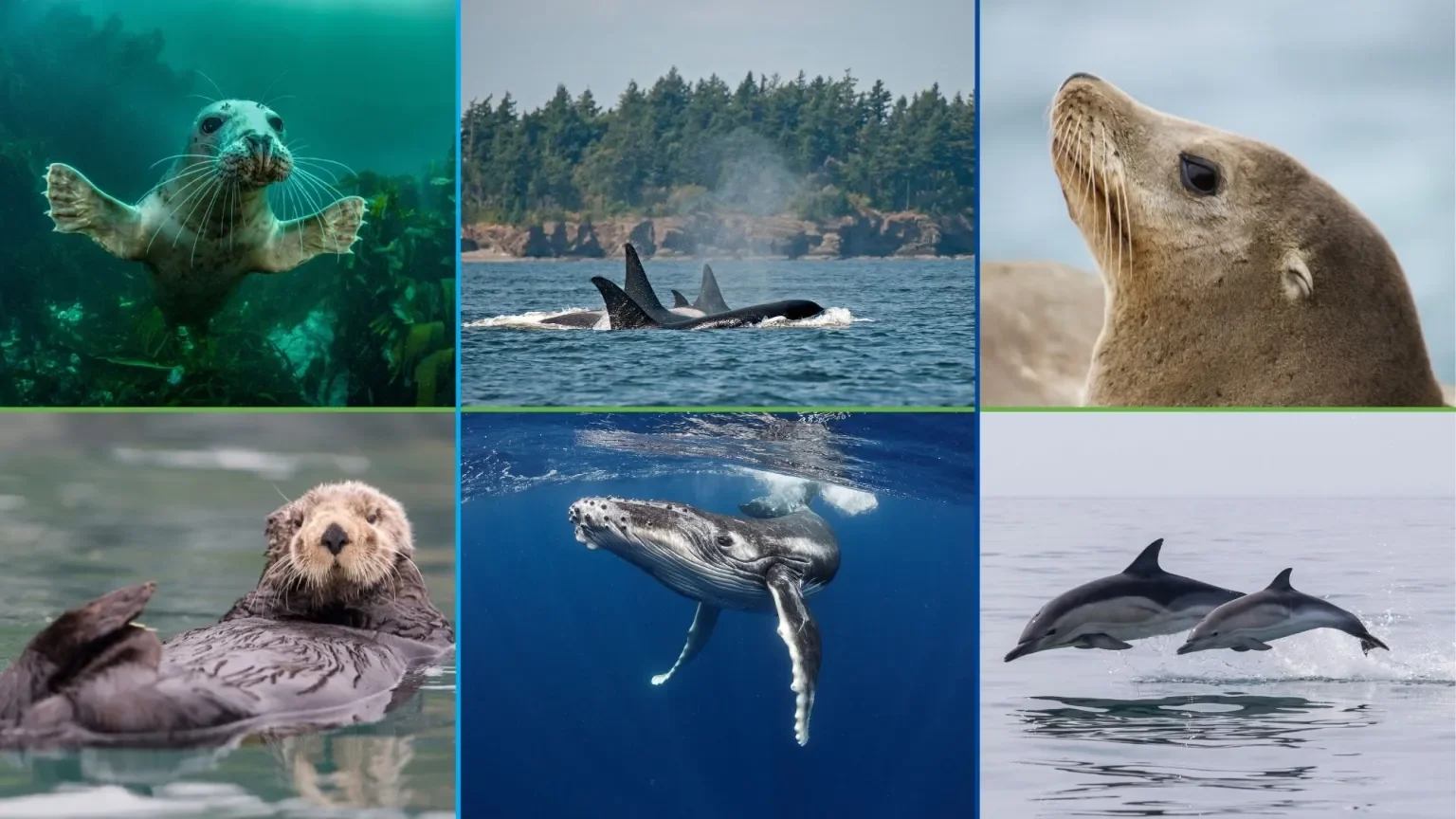
A dangerous draft bill in Congress would gut the Marine Mammal Protection Act (MMPA), one of our strongest conservation laws. It would drastically weaken protections for whales, dolphins, manatees, and seals by lowering conservation standards from “healthy populations” to mere “survival,” stripping science-based limits on harm from industrial activities, delaying critical protections for endangered species like the North Atlantic right whale, and undermining global efforts to reduce marine mammal bycatch. This is not a modernization of the MMPA. Rather, it’s a full-scale rollback that will threaten the lives of countless marine mammals. Take action today to urge members of the Subcommittee on Water, Wildlife, and Fisheries to protect marine mammals by opposing this draft bill. Action HERE.

CALPIRG: Tell the EPA: Restrict 2,4-D, a dangerous, drifting pesticide
We shouldn’t be dousing the fields that grow our food with a dangerous chemical from the 1940s — but the latest mapping data shows that vast swathes of America are covered in a toxic pesticide called 2,4-D. We should be leaving 2,4-D in the past where it belongs. Instead, in recent decades, the Environmental Protection Agency (EPA) renewed and expanded the use of this highly toxic pesticide. The herbicide is intended to kill weeds on farms, but 2,4-D doesn’t stay where it’s sprayed. When sprayed over crop fields, 2,4-D can remain airborne for weeks and travel for miles. Tell the EPA to restrict the use of 2,4-D unless and until it’s proven safe. Action HERE.

CalPirg: Tell Whole Foods To Reduce Plastic Packaging
The U.S. has a big plastic problem: Every year, we produce a staggering 35 million tons of plastic waste. Big companies can do a lot to fix that. But when it comes to plastic waste, Whole Foods isn’t measuring up. In a 2021 report, the grocery store earned an “F” score on plastic waste reduction, putting it behind Taco Bell, Walmart and Amazon. We know that Whole Foods can do better and live up to its eco-friendly image. That’s why we’re calling on Whole Foods to cut down on single-use plastics. Tell Whole Foods: Reduce single-use plastic packaging. Act ACTION.
Environment California: Tell Target To Stop Selling Bee-killing Neonic Pesticides
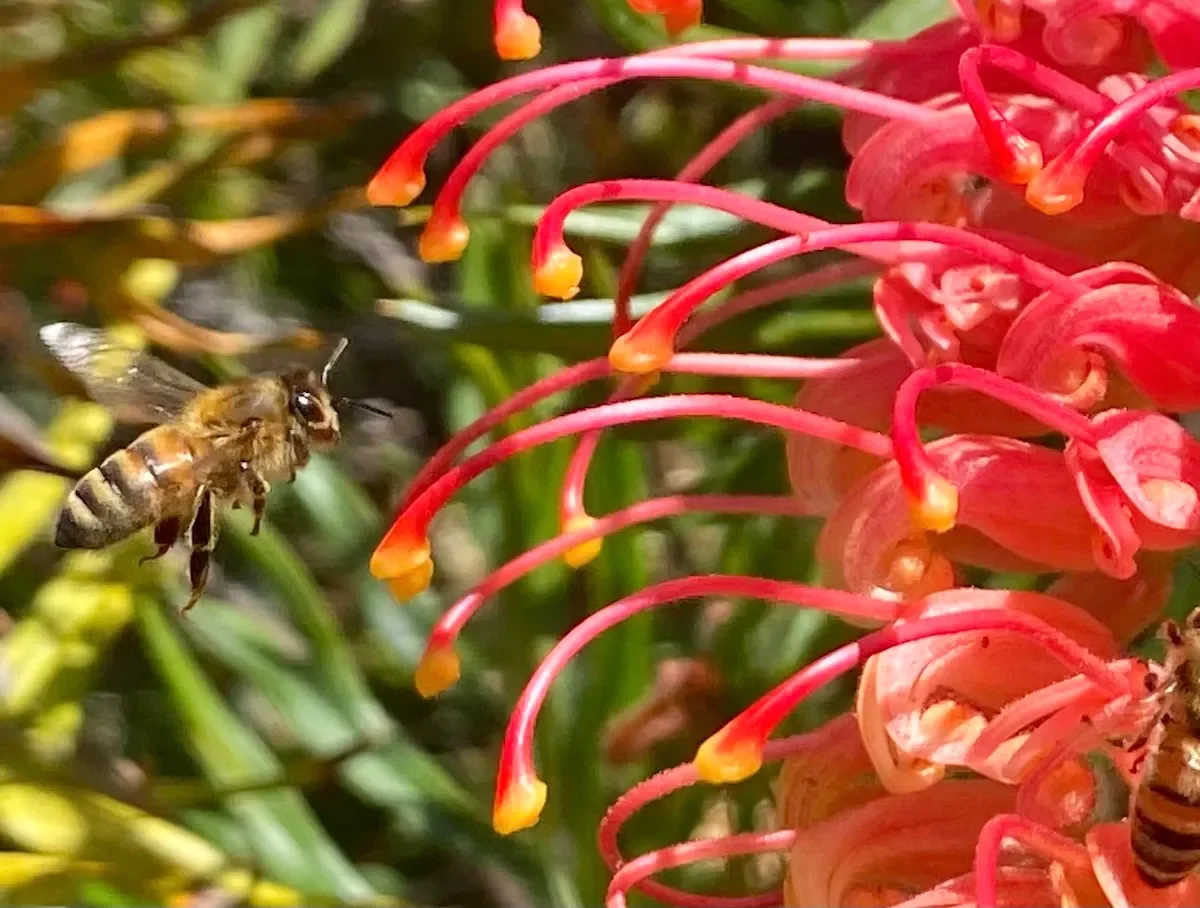
The science is crystal clear: Neonicotinoids are killing bees. And yet neonics continue to be among the world’s most widely deployed pesticides. Honeybee colony losses average more than 40% annually nationwide. Wild bees are even more at risk, and species such as the rusty-patched bumblebee and the Western bumblebee are on the brink of extinction. Of the approximately 50 different species of bumblebees in the U.S., more than a quarter of them are facing some degree of extinction risk. Major retailers, including Target, are selling these bee-killing pesticides. Target can help save the bees if it commits to no longer sell chemicals that hurt pollinators. Join us in urging Target to halt its sale of neonicotinoid pesticides. Act HERE

CalPIRG: Tell Microsoft – Don’t Precipitate A Massive Surge Of Electronic Waste
Update: After October 14, 2025, Windows 10 will stop receiving free security updates, but you can enroll in the Extended Security Updates (ESU) program to get updates until October 13, 2026, by synchronizing settings with OneDrive, redeeming Microsoft Rewards points, or making a payment.
If the company had followed through with its plans to end support and security updates for Windows 10, as many as 400 million otherwise-working computers would have been marked for disposal overnight. 53% of PCs still use Windows 10, and up to 40% of them can’t upgrade to Windows 11 due to hardware limitations. This means that hundreds of millions of PCs may soon add to the piles of electronic waste already in landfills. Microsoft can opted to delay this problem. Tell Microsoft CEO Satya Nadella to keep working computers working by extending free support for Windows 10. Act HERE.

One5C: Your clothes are shedding microplastics — here’s what you can do.
As of 2021, synthetic fibers made up nearly 70% of all materials used in textiles. When these materials get washed, torn, or chucked, they degrade and release microfibers, which are a form of microplastics. Polyester is one of the worst offenders. A single run through the washing machine could emit around 18 million microfibers, one 2020 study found. The best way to address microplastics from clothing (all animals including humans have microplastics in their organs) is to not buy synthetic fibers, no matter how good the end-of-season sale might be. That’s right, don’t buy polyester garments. Second, add a filter to your washing machine. Learn more HERE.

Peninsula Open Space Trust: Preserve San Gregorio Ranch
We have a rare opportunity to preserve San Gregorio Ranch — nearly 200 acres of coastal grassland and Monterey Pine nestled between Highway 1 and the Pacific Ocean in San Mateo County. The Ranch is rich in natural resources, varied habitats, and is home to an abundance of plant and animal species. Its location just north of San Gregorio State Beach and right along the proposed route for the California Coastal Trail means we have lots of opportunities to explore expanded public access. You can help protect San Gregorio Ranch HERE.
Center For Biological Diversity: Tell Etsy and eBay – Stop Hawking Wildlife Products
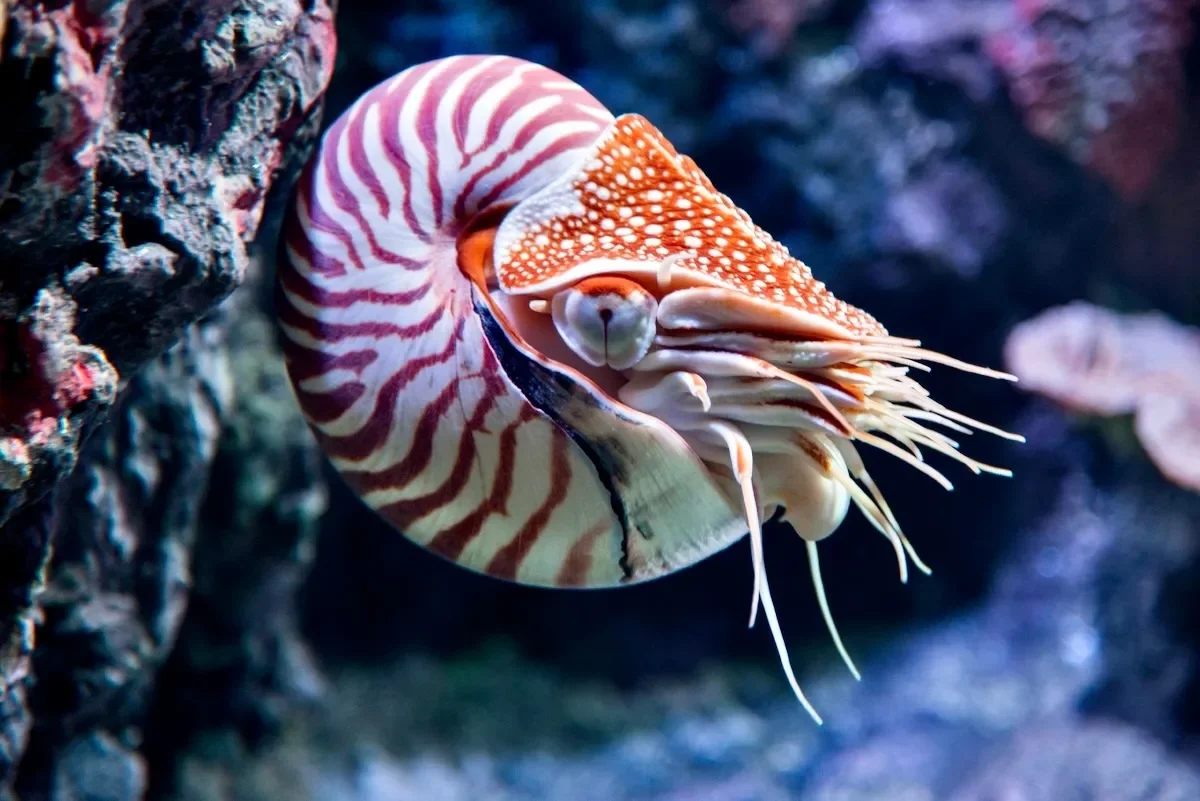
Nautilus-shell bolo ties. Taxidermized coyote paws and preserved bobcat hearts. Imperiled cacti in pots. Art and jewelry made from butterflies’ wings and threatened sharks’ teeth. The shells and skulls of turtles whose wild populations are rapidly dwindling. You can buy these things (and many others) on Etsy or eBay — and every sale helps push species closer to extinction. Despite the companies’ stated wildlife policies, sellers on Etsy and eBay rake in money on wildlife knickknacks, decor, clothing, and more. And the United States is a major consumer of these products. Call on these platforms to commit to end these sales. Act HERE.