
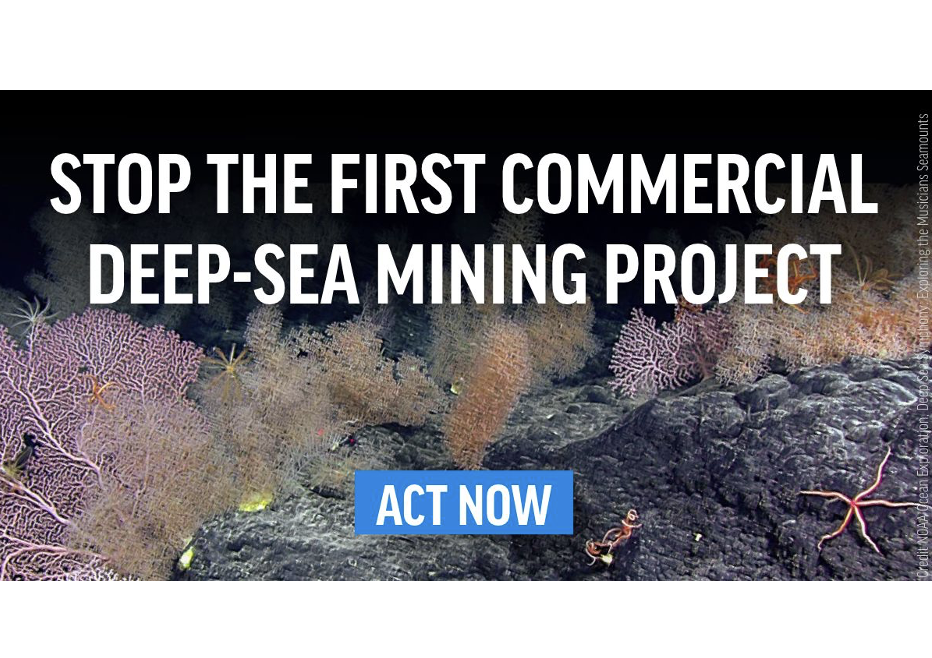
Oceana: The Trump administration is green-lighting the destruction of our oceans, and we need your help to stop it.
The Metals Company has applied for the first-ever commercial deep-sea mining operation anywhere in the world, threatening to cause irreparable damage to delicate ecosystems that fisheries, economies, and communities around the world depend on. Add your name to stop deep-sea mining before it's too late. The deep sea is home to deep-water corals and food webs that support marine mammals like whales and dolphins, along with countless species we're still discovering. Mining would harm marine life directly, release toxic and radioactive materials, and disrupt sensitive habitats with earsplitting noise and smothering sediment. Participate HERE!
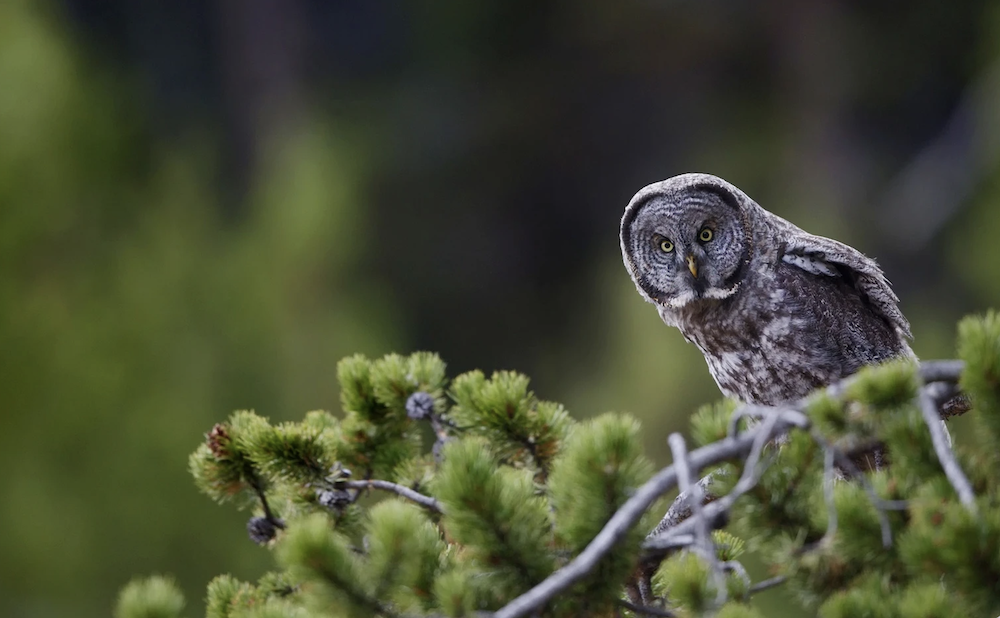
National Wildlife Fund: National Park Service considering providing Yosemite Park land to developer
The National Park Service is considering a land swap to provide acreage from Yosemite National Park for a private real estate development. The amount of land to be swapped from the park is small - but the potential impact on wildlife like the California endangered great gray owl, and all species that make their homes in our national parks, is immense. A precedent will be set to exchange or sell lands from any or all of our national parks to private developers. Urge Congress to stand up for wildlife and America’s national parks by blocking the Yosemite land swap. Act HERE.

Center For Biological Diversity: Massive Attack on the Endangered Species Act
Legislators in the U.S. Senate have introduced an (energy) “permitting reform” package containing disastrous rollbacks to the Endangered Species Act that could push America’s most vulnerable animals and plants to extinction. Under the guise of helping renewable energy, the legislation would actually give the fossil fuel industry massive long-term structural advantages. This backroom deal would gut the Act’s gold-standard “best available science” mandate by making it all but impossible for scientists to prove that imperiled species and the places they live need protection. Outrageously, it would surrender one of the Act’s most important safeguards — the requirement for federal oversight of wildlife decisions — to hostile state agencies in places like Texas and Wyoming. Act HERE.
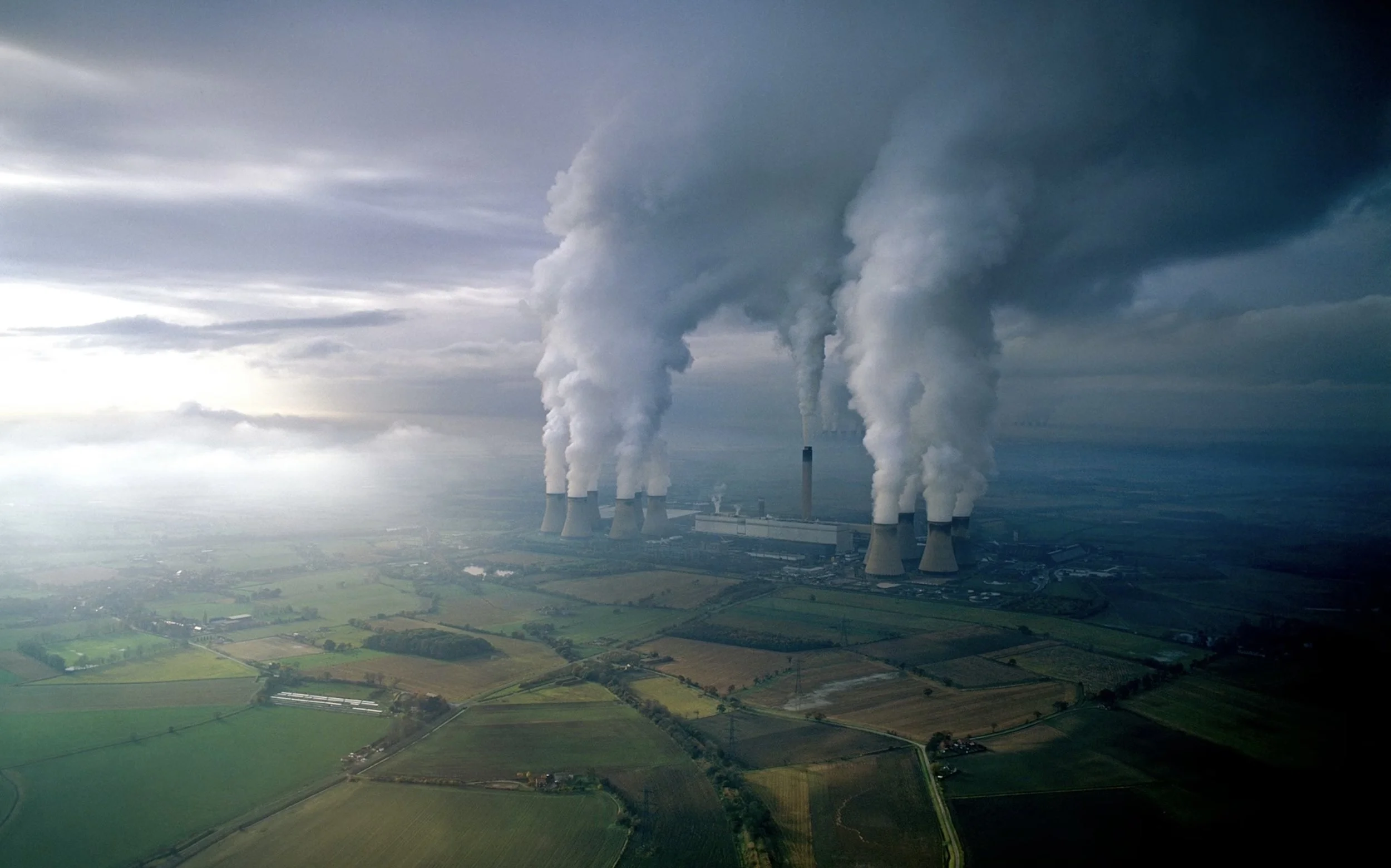
Environmental Defense Fund: Preserve Limits On Power Plant Pollution
Last week the Trump EPA announced their plan to officially erase life-saving national limits on power plants. This decision would leave the U.S. without any national limits on the amount of air and climate that power plants can put into our air and even prevent the EPA from setting limits in the future. EPA’s previous analysis found that eliminating these protections would cause thousands of premature deaths and tens of billions of dollars in increased health costs for people across the country. We have less than 50 days to fight back. Submit an official public comment to the EPA and demand they hold dirty power plants accountable for their pollution! Speak UP!
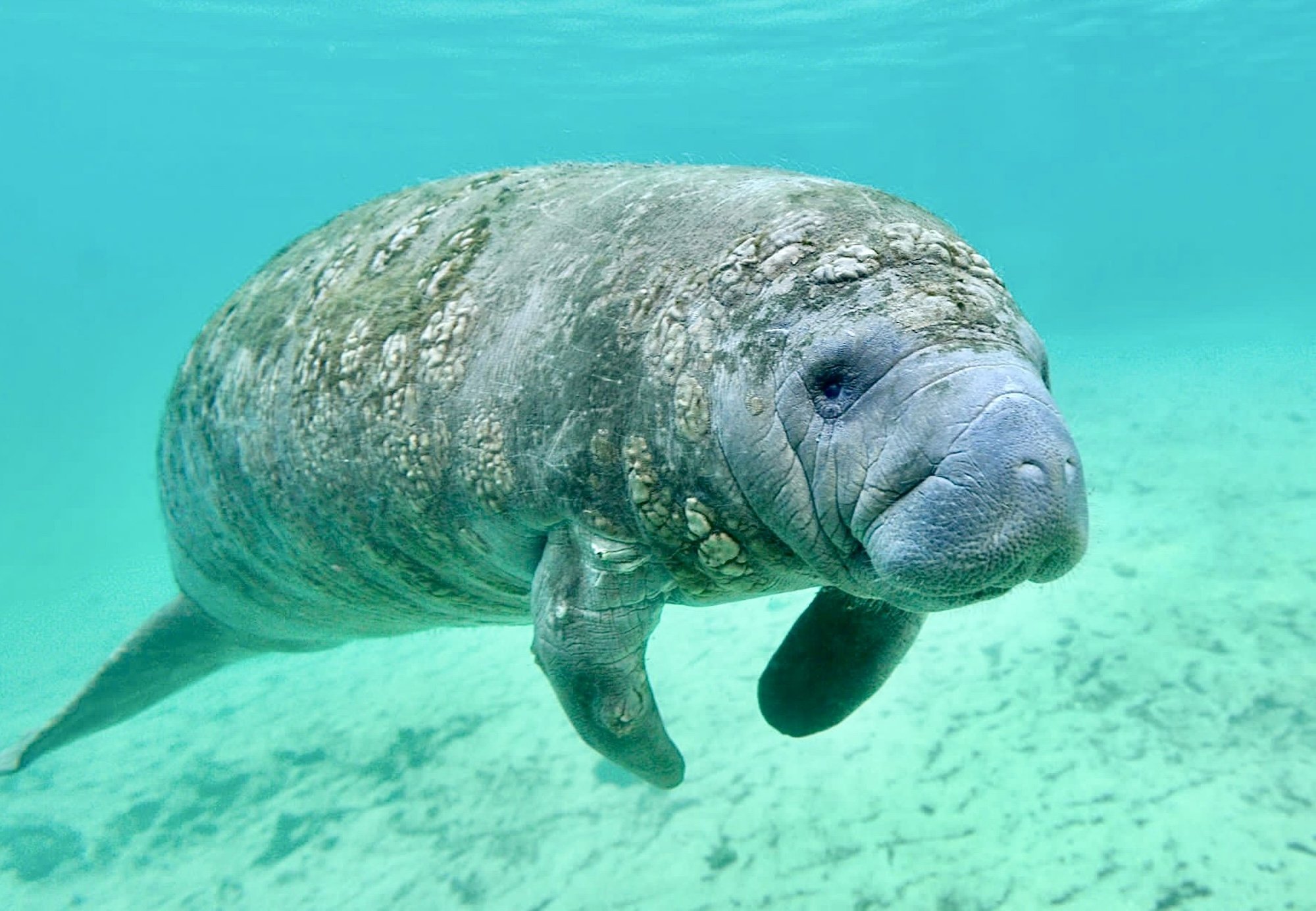
Endangered Species Coalition: Oppose the Endangered Species Amendments Act of 2025
A dangerous piece of legislation is moving through Congress — and it threatens to tear apart America’s most effective, life-saving law for our most vulnerable wildlife and plants. The ESA Amendments Act of 2025 is a short-sighted attempt to rewrite the Endangered Species Act, putting powerful industry interests ahead of smart, science-based protections for our most vulnerable wildlife. Crafted by a small group of lawmakers beholden to billionaire industry donors, this bill eliminates key wildlife and habitat protections, weakens scientific oversight, and paves the way for species extinction in the name of corporate profit. Take ACTION!

Project Drawdown: Ready to Kickstart Your Personal Climate Journey?
Project Drawdown is piloting a new way to help people take climate action – and we want you to be part of it. We’re inviting adults across the United States, especially those who care about climate change but aren’t sure where to begin, to join a free six-week online pilot program. Together, participants will connect with others looking to make a difference, explore the five climate superpowers from the Super High-Impact Initiative for Fixing Tomorrow platform, go deeper into the science of climate solutions with leading experts, and take meaningful next steps in their own lives and communities to stop climate change. Moreover, as the pilot cohort, you will be helping to shape the future of the program and our work here at Project Drawdown. Learn more and apply HERE. Applications are open through Thursday, October 8, 2026
Sierra Club Santa Cruz: Demand Congress Protect Yosemite from Trump
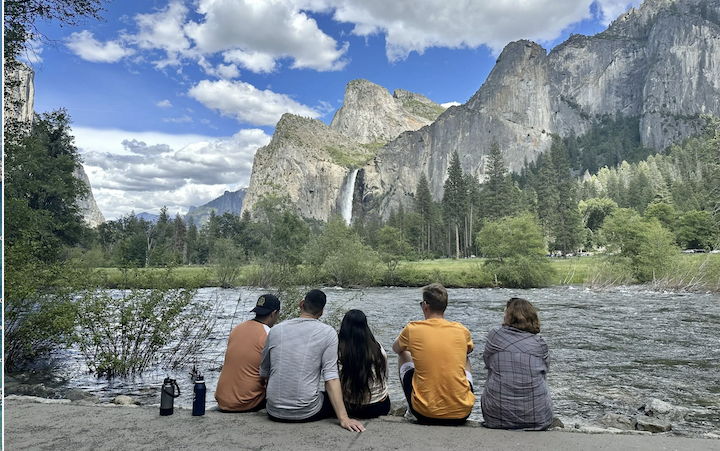
In 1890, John Muir worked with Congress and public activists to establish Yosemite National Park. Two years later, Muir founded the Sierra Club to protect more irreplaceable outdoor landscape and natural resources, like Yosemite. Now, Trump is trying to carve up Yosemite to make a private real-estate development more profitable. He wants to give a private equity development company access to a portion of Yosemite National Park through a secret proposal. Act HERE to demand Congress oppose any land exchange or sale that would allow for private development through Yosemite National Park! Act HERE.

Vote Solar Action Fund: Tell Gov. Newsom to Make Solar Accessible and Affordable!
Three bills sit on Gov. Newsom’s desk that would increase access to solar energy for all Californians, while also lowering our energy bills. The Clean Local Power Act (SB 913) allows local energy resources like smart thermostats, home batteries, and electric vehicles to deliver their full value to the grid. The Customer Renewable Energy Program (AB 1813) strengthens the framework for California’s community solar and storage program, making these programs more accessible and affordable, at no additional cost to the taxpayer. The Plug Into Solar Act (SB 868) legalizes affordable solar panels that plug directly into a home outlet, cutting energy costs dramatically, especially for renters and apartment buildings. Urge Gov. Newsom to sign these bills HERE!
Center For Biological Diversity: Stop this shameful giveaway to Big Oil
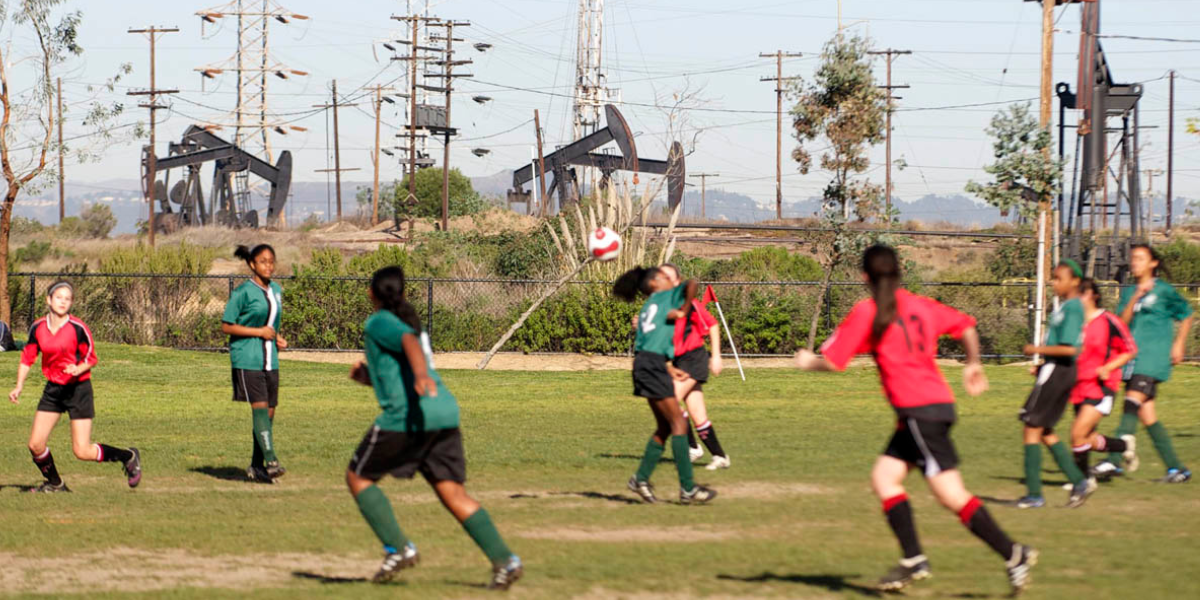
Californians overwhelmingly support legislation to hold fossil fuel companies accountable for their actions — and for the damage they do to the climate and the environment. But Big Oil is fighting back, spending millions to lobby lawmakers for industry handouts. Now California legislators have introduced two bills to give the industry what it wants: more drilling permits and more ways to dodge its cleanup responsibilities. Assembly Bill 2711 would facilitate oil companies looking to expand drilling in California by rushing environmental review and limiting public input on potential projects. Meanwhile Assembly Bill 2716 would let polluters sidestep the Orphan Well Prevention Act, a 2023 law that helps protect taxpayers from industry bankruptcy — which Big Oil often uses to dodge its responsibilities and dump its cleanup costs on the public. Californians have paid enough for fossil fuel giants’ sins. Tell your state senator to stop this double-whammy giveaway to the oil industry. Act HERE.
Patagonia: Support Indigenous Stewardship of Bears Ears
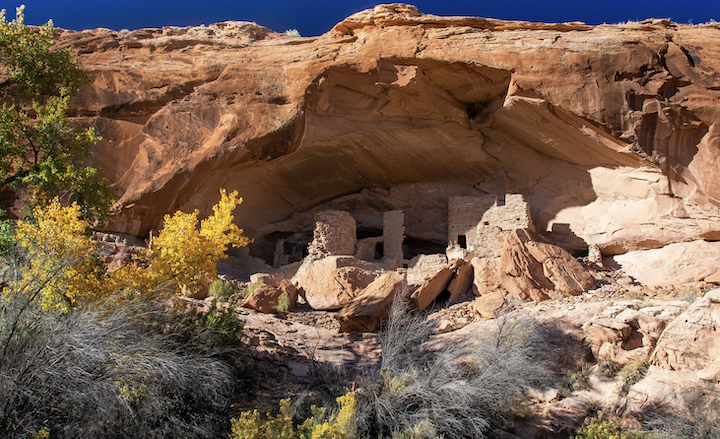
For nearly a decade, we’ve joined Indigenous tribes, environmental leaders and the outdoor community in the ongoing fight to preserve Bears Ears and the surrounding landscape as a nationally protected monument. The recent action by the Trump administration to shrink Bears Ears and Grand Staircase-Escalante national monuments is yet another attempt to liquidate public lands. Tribal Nations are the original stewards of the area, with ties to Bears Ears and Grand Staircase-Escalante stretching back thousands of years. It is vital we support their vision to ensure these sacred cultural landscapes are protected. The president’s latest actions does the exact opposite. We remain committed to defending the land with those who have stewarded the area for time immemorial. Join us and take ACTION.

CalPIRG: Tell your governor to get deadly chemicals off our food
The herbicide paraquat, widely used in the U.S., is so toxic it's banned in over 70 countries. It's also linked to a significantly increased risk of developing the neurodegenerative disease, Parkinson's. It's absurd for such a dangerous substance to be sprayed anywhere near our food. But progress is possible: Vermont just passed the nation's first paraquat prohibition. Urge our governor today to follow Vermont's lead and phase out the use of paraquat here in California. Act HERE.
Center for Biological Diversity: Tell the Feds -- Oil Rigs and Space Rockets Don't Mix
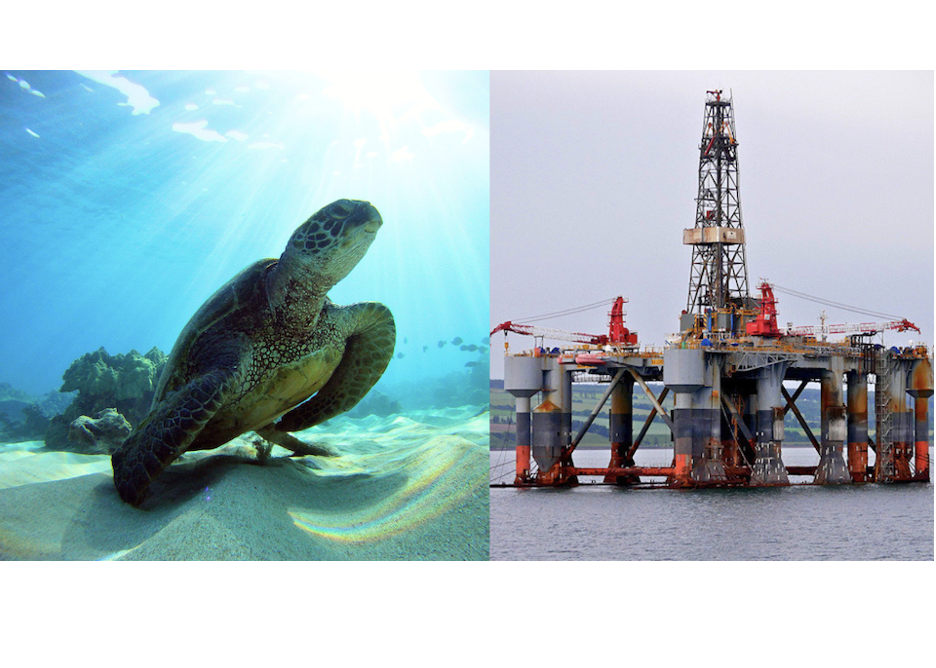
Houston, we have a problem: The Trump administration has proposed to turn rickety offshore oil rigs into “spaceports,” sites for launching and landing spacecraft. This isn't some clever repurposing scheme, though — quite the opposite. No oil rig or platform was designed to withstand the rigors of rocket operations. Using antiquated infrastructure for launch and recovery activities could threaten workers' safety and degrade water quality. And the rocket noise, explosions, fuel spills, and industrial activity would harm marine life like whales and sea turtles. The law requires oil companies to remove aging offshore platforms and restore habitat when drilling stops. The new proposal could let them attempt to leave decrepit rigs in the ocean "for future spaceport use" (aka indefinitely). Tell the U.S. Bureau of Ocean Energy Management: Don't let Big Oil dodge its duties and convert our oceans into industrial testing grounds for billionaires' rockets. ACTION.
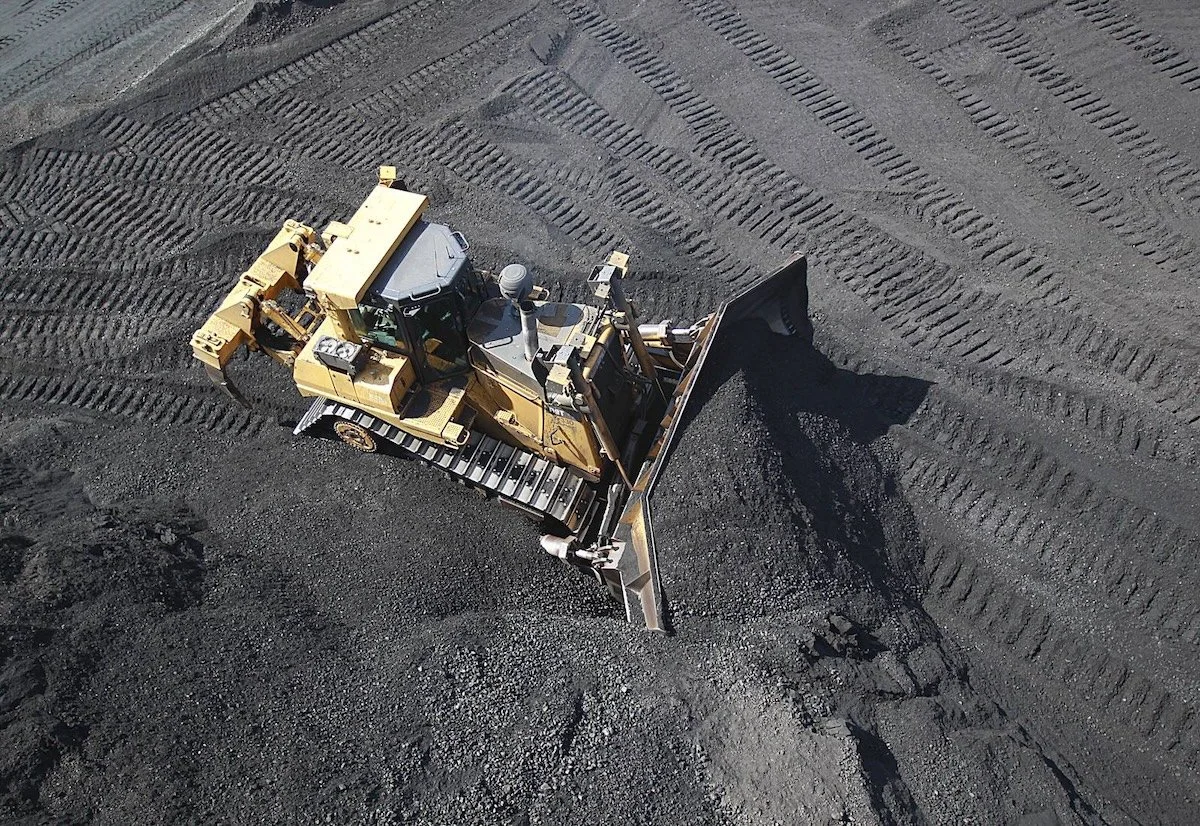
Fossil Free California: Support the Community First Coal Review Act (AB 40)
Assemblymember Mia Bonta introduced the Community First Coal Review Act (AB 40) in order to protect the clean air and health of East Bay cities from the devastating impacts of a new coal port. The bill would require a full Environmental Impact Report before any local agency may grant a discretionary approval for a new or expanded coal handling, storage, or export facility. In June, Donald Trump announced a $75 million investment into a proposed massive coal export terminal next to the Bay Bridge. The Oakland Bulk and Oversized Terminal (OBOT) would bring coal trains from states like Utah and Wyoming straight into West Oakland, which is already burdened by historically poor air quality and health disparities. AB 40 would ensure that outdated environmental review on OBOT is replaced by a new, comprehensive study that takes into account its effect on the surrounding cities of Richmond, Albany, Berkeley, and Emeryville in addition to Oakland. Please ask your legislators to support AB 40, which would help protect Oakland and other California communities from toxic coal projects! Action HERE.
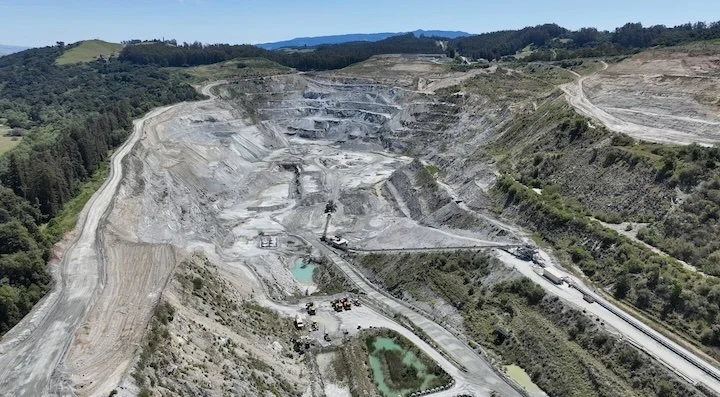
Environment California: Don't Let The Pajaro River Be Polluted Again
Nestled along California's Central Coast, the Pajaro River provides essential habitat for endangered species including the red legged frog, long-toed salamander and steelhead trout, and a beautiful place for families to enjoy the outdoors. A nearby mining company, Graniterock, has frequently polluted the river, according to a lawsuit filed by Environment California, along with the California Sportsfishing Protection Alliance. Now, instead of cracking down, the regional water board wants to make changes to the mining company's permits that would make it harder for the public to know whether Graniterock is releasing harmful levels of pollution. Tell the regional water board: Don't let the Pajaro River be polluted again. Act HERE.

CalWild: Tell the BLM To Keep Oil and Gas Leasing Away from Carrizo Plain and Important Wildlife Habitat
Some of central California's most important wildlife habitat could soon be opened to oil and gas development. The Bureau of Land Management (BLM) is considering leasing 50 parcels for oil and gas development across California's Central Valley. While some of these parcels are already in heavily disturbed areas, nine of them stand out because they remain largely intact and provide important habitat for some of California's most imperiled wildlife. Five of the parcels are located adjacent to, or within 1.5 miles of, Carrizo Plain National Monument, one of California's most spectacular remaining grassland landscapes, home to San Joaquin kit foxes and amazing superblooms. Submit a public comment to tell the BLM: Keep oil and gas leasing away from Carrizo Plain and important wildlife habitat. Action HERE.

Environment California: Tell the EPA to Protect our Drinking Water from Toxic PFAS
Toxic chemicals don't belong in the water we drink. That's something we should all be able to easily agree on. PFAS have been detected in the drinking water of more than 175 million Americans. Exposure to even low levels of PFAS over time have been linked to a wide range of health effects, including increased risk of some cancers, decreased fertility and developmental delays in children. But right now, the Environmental Protection Agency (EPA) is proposing to rollback restrictions that keep toxic PFAS "forever chemicals" out of our water. We only have until July 20 to ask the EPA to abandon this rollback and keep toxic PFAS out of our drinking water. Add your name today HERE
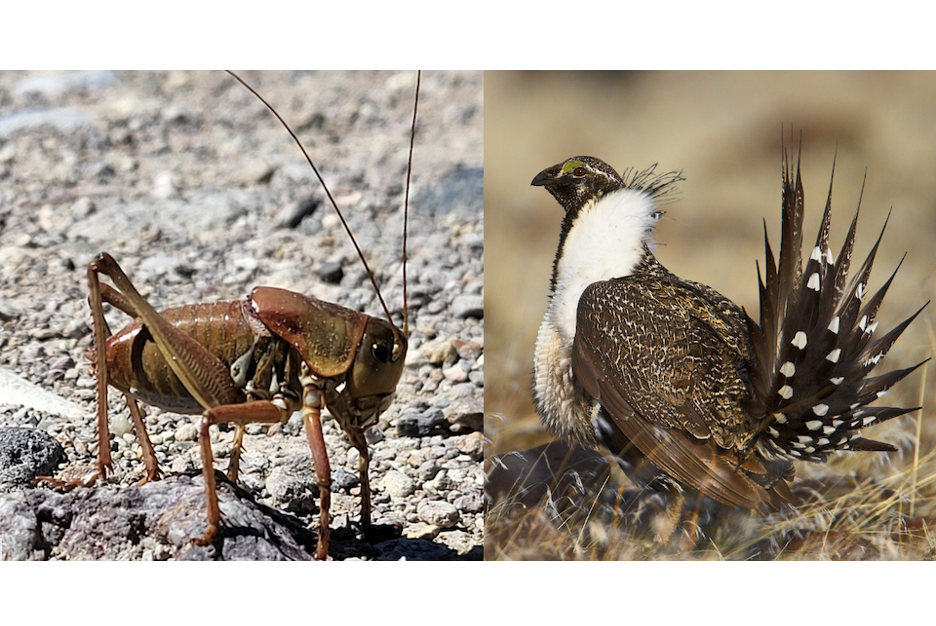
Center For Biological Diversity: Help Overhaul This Shady Pesticide-Spraying Program
For decades the U.S. Department of Agriculture's Animal and Plant Health Inspection Service, aka APHIS, has run an antiquated and highly secretive program that allows insecticide spraying to kill native grasshoppers and Mormon crickets on public lands in 17 states. This is done to keep insects from “competing” with cows for grass. The public lands APHIS targets for spraying are home to an astonishing diversity of wildlife, including imperiled sage grouse — who eat grasshoppers and Mormon crickets — and vulnerable pollinators like butterflies and bees. Spraying these lands harms wildlife, and because APHIS is so secretive about its activities, most people visiting have no idea whether a given area has been (or will be) sprayed. Now, thanks to a legal victory by the Center for Biological Diversity and allies, APHIS is being forced to reassess its grasshopper-and-cricket-killing program — and it needs your feedback. Tell APHIS to completely overhaul its approach, stop drenching sensitive public lands with insecticides, and protect wildlife, people, and public lands. Take ACTION.
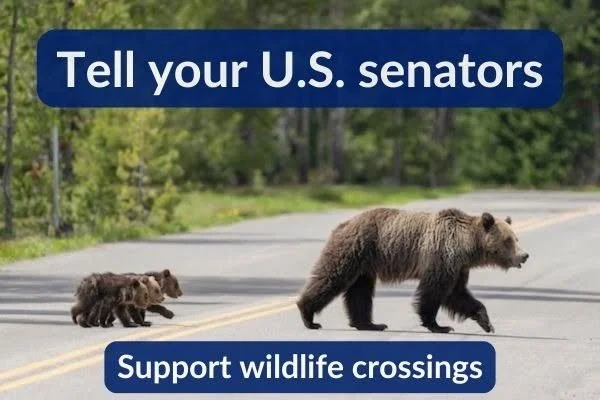
Environment America: Support wildlife crossings and save live
Majestic animals belong in the majestic wild -- not dead on the side of the road. Since habitats are increasingly fractured by roads, highways and other infrastructure, animals are sometimes forced to take deadly risks. Each year roughly 1-2 million bears, moose, elk and other large animals are killed by motor vehicles in the U.S. The results? Animal lives wasted, 200 dead motorists, 26,000 more injured, and billions of dollars in damage. Wildlife crossings -- bridges and tunnels for animals to cross highways -- are an extremely effective solution, and your voice matters. Urge your U.S. senators today to support funding for wildlife crossings in the upcoming transportation bill. Act HERE.
CalWild: Defend Our California Grasslands
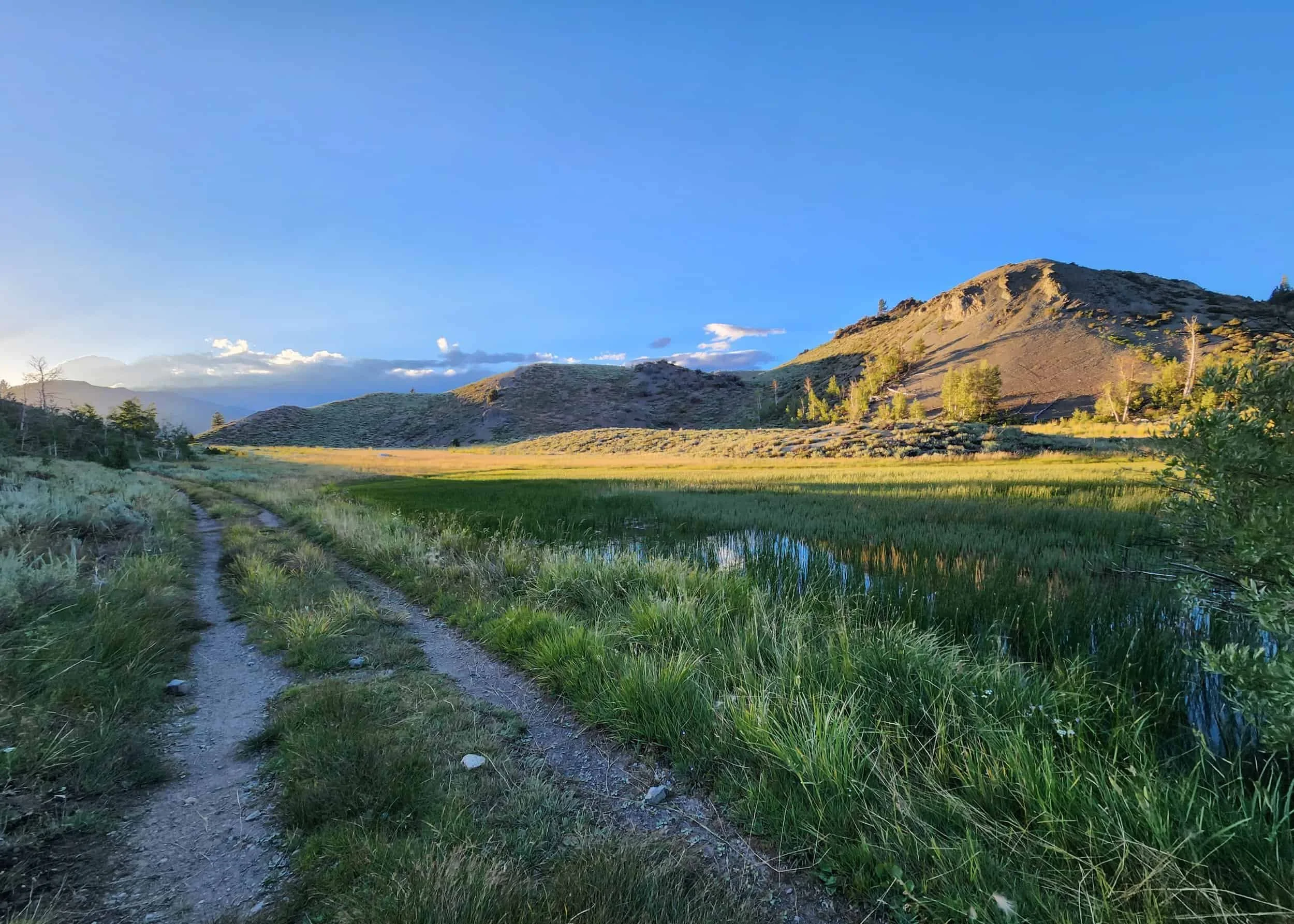
From the Sacramento River Bend to the Bodie Hills, Eastern Sierra, Ord Mountains and beyond, California's public lands could soon see MORE livestock grazing, MORE fences, and LESS public access and oversight. As part of its overall attack on public lands, the Bureau of Land Management (BLM) has proposed major changes to the rules governing livestock grazing on its lands it manages—245 million acres of public lands across the West—including approximately 15 million acres in California. These changes would offer mega corporations and wealthy elite grazing operations handouts they don’t need at the expense of small ranchers, clean air and water, and the greater public. And, they’d stifle the public’s voice in decisionmaking. Submit a public comment before July 13 to oppose these handouts. Act HERE.
Environment California: Take Action To Protect 11 Million Acres of Forest
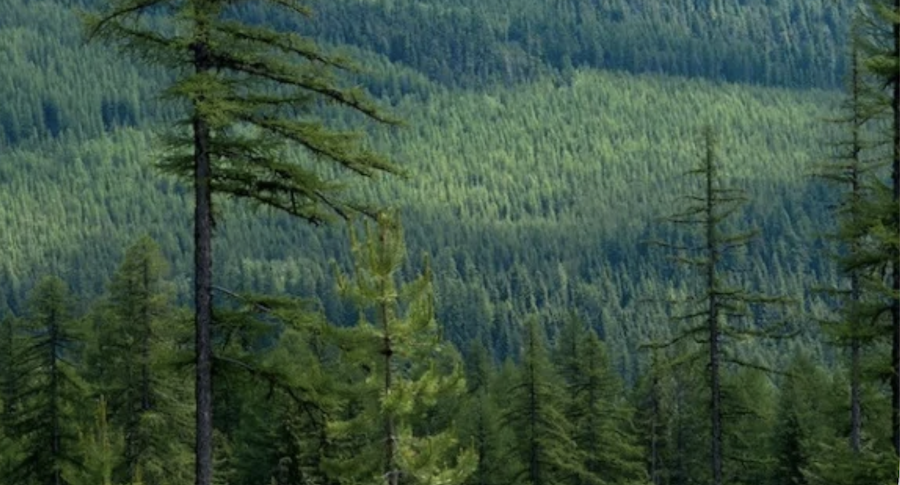
he Forest Service is trying to rush an emergency logging project across six of our national forests. If this goes through, they could remove as many trees as they want across 11 million acres of national forest. They won't even tell us where they plan to log -- they want to be given carte blanche to log wherever they want across millions of acres of trees for five years. This unchecked logging could disrupt the habitat of endangered species and disturb the natural ecosystem.And we just found out they're only giving the public until Monday to weigh in. Take immediate action: Protect 11 million acres of forest from unchecked logging. Take Action HERE.